ConciseTravel
Budapest rewards visitors almost any time of year, but most people book it for July and August and then wonder why the ruin bars feel like airport terminals. The honest answer: peak summer is fine, but it is nowhere near the best the city has to offer.
Spring (March to May)
Budapest in spring is quietly excellent. Temperatures climb from around 10C in March to a comfortable 20-22C by May, the crowds have not yet arrived, and the city feels genuinely alive rather than theme-parked.
- March is still coat weather, but the Easter markets in Vorosmarty Square and around St Stephen's Basilica draw locals more than tourists.
- April and May hit the sweet spot: long evenings, riverside terraces open, and hotel prices roughly 20-30% below peak summer rates.
The main catch is unpredictable rain. Pack a layer and accept the odd grey afternoon.
Summer (June to August)
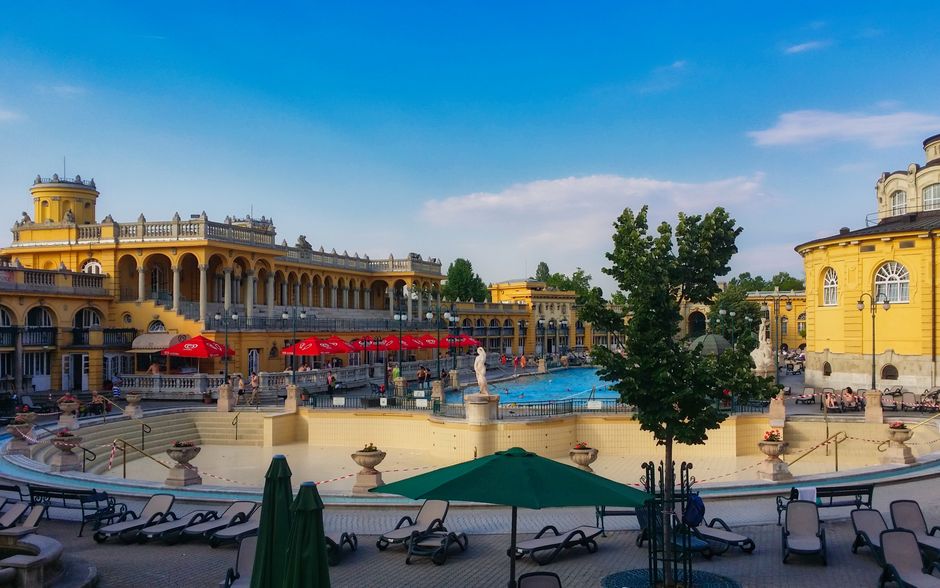
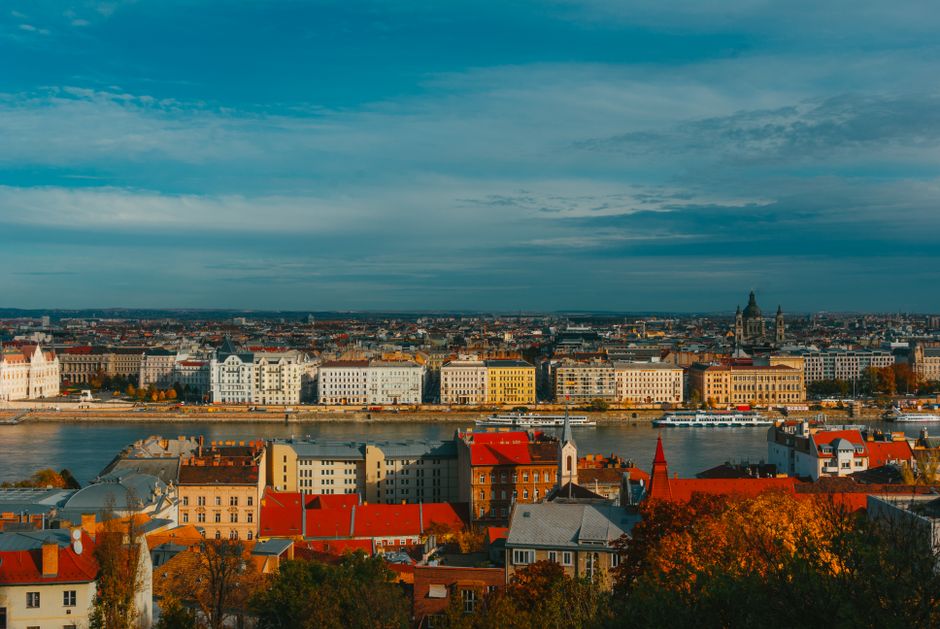
June is still reasonable. July and August are when Budapest tips into full tourist mode: queues for the Szechenyi Baths stretch outside, Fisherman's Bastion is a slow shuffle of selfie sticks, and accommodation prices peak hard. Expect to pay 40-50% more for the same hotel than you would in April.
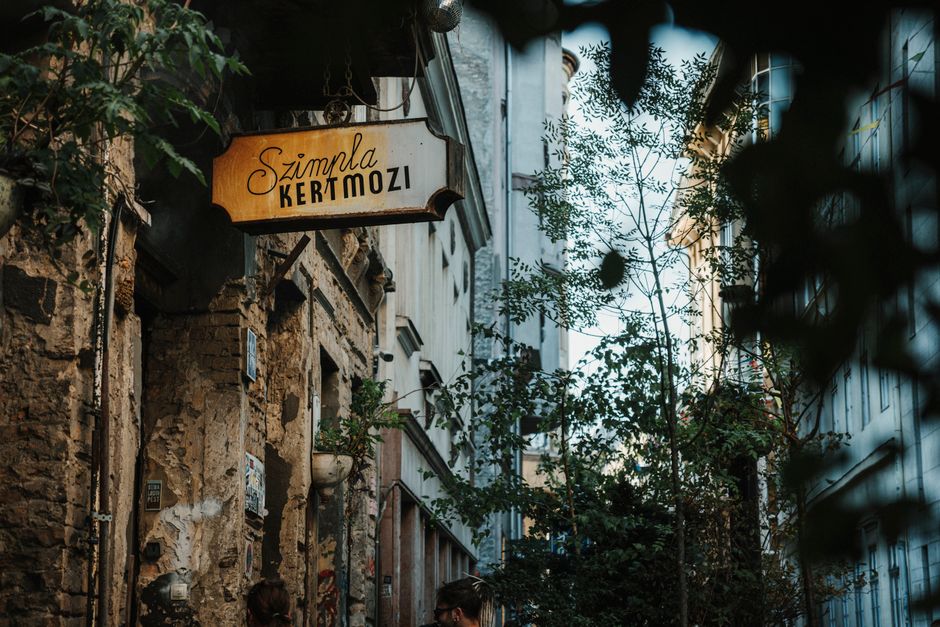
That said, Budapest in summer has genuine pull. The Budapest Summer Festival runs throughout July and August with open-air concerts at Castle Hill and Margaret Island. The city's outdoor thermal pools come into their own. And the ruin bar scene, when not heaving with hen parties, is one of the best nightlife experiences in Europe.
If you visit in summer, go in June and book everything at least six to eight weeks out.
Autumn (September to November)
This is the runner-up season, and September in particular deserves more credit than it gets.
Summer crowds thin noticeably after the first week of September, but the weather holds well into October: expect 15-18C through most of the month. The Jewish Quarter buzzes with the Budapest Jewish Cultural Festival in late August through early September. The wine harvest season kicks in across Hungary and spills into the capital with tastings and pop-up events.
November turns grey and cold, queues disappear entirely, and hotel prices drop to their lowest. Good for budget travellers who do not mind trading sunshine for savings.
Winter (December to February)
Budapest does Christmas well. The markets on Vorosmarty Square and at St Stephen's run from mid-November through December and are among the best in Central Europe without the Frankfurt or Bruges price tags. Mulled wine, chimney cake, and ice skating at City Park: it works.
January and February are when the city empties. Prices crater (you can find solid central hotels for 50-60 GBP a night), and the thermal baths make far more sense in cold weather than in a sweaty August queue. The trade-off is short days, genuine cold (often below 0C), and some smaller attractions running reduced hours.
Key Events That Shift the Calculus
- Budapest Summer Festival (July-August): open-air concerts, worth planning around
- Sziget Festival (mid-August, Margaret Island): one of Europe's biggest music festivals; accommodation prices spike citywide that week
- Christmas Markets (mid-November to late December): the best argument for a winter trip
- Formula E and various marathons (spring): minor crowd bumps but worth checking dates
The Verdict
Best window: late April to late May. The weather is reliable, the crowds are manageable, prices sit well below peak, and the city is in good form. You get the ruin bars, the baths, and the riverfront without the summer scrum.
Runner-up: September. Slightly warmer than May, still uncrowded, and the wine festival energy adds something you do not get in spring.
Avoid: the Sziget Festival week in August unless you are there for Sziget specifically. Prices jump, availability collapses, and the tourist concentration in central Budapest peaks.
Our Budapest city break guide covers the essential sights, transport, and practical detail to help you plan a trip that actually works.