 ConciseTravel
Bruges has a specific problem that most Belgian tourism writing glosses over: an enormous proportion of its visitors arrive on day trips from Brussels or via coach tour, spend four hours on the Markt, buy a waffle, and leave. The city can absorb that. What it can't absorb gracefully is when those day-trippers converge with overnight tourists and weekend visitors during peak summer weekends.
The reward for getting timing right is significant. Bruges without the crowds is one of Europe's most beautiful cities. Bruges at peak summer weekend density is a queue for a horse-drawn carriage.
Season by Season
Summer (June–August)
Bruges in summer is popular for obvious reasons: long evenings, outdoor canal-side seating, and genuinely pleasant temperatures (20–25°C on good days). The medieval centre looks its best in warm light and the beer gardens around the Markt are legitimately enjoyable.
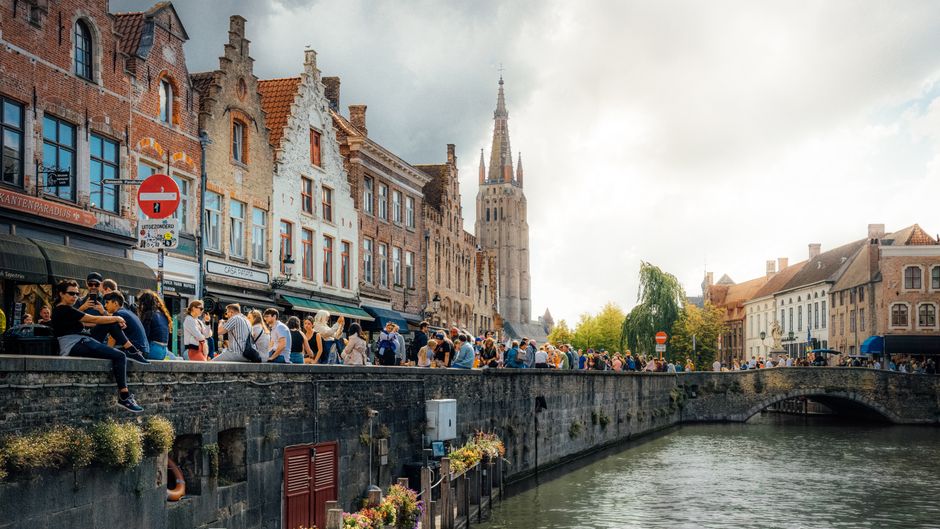
The problem is weekends. Friday through Sunday in July and August see day-tripper numbers spike considerably — Brussels is under an hour by train, and Bruges appears on every "best day trips from Brussels" list ever written. The Rozenhoedkaai viewpoint, the Begijnhof, and the Groeningemuseum can all become genuinely congested.
Weekdays in summer are workable. If you're staying overnight and can structure your sightseeing for early mornings and evenings after the day-trippers leave (trains back to Brussels run heavily from about 5pm), summer is fine. Hotels run roughly €100–€160 per night.
Autumn (September–November)
The day-tripper volume drops from September onwards, weekends included. October brings mist over the canals, which sounds like a tourism cliché but is genuinely atmospheric in a city this old. The cafes and chocolate shops feel more like their authentic selves when not competing for pedestrian space.
November quietens further and prices soften to around €70–€100. The weather turns unpredictable — Bruges sits close to the North Sea and autumn can bring sustained grey and drizzle. Pack accordingly. The museums (Groeningemuseum, Gruuthuse) are worth extended visits and make bad-weather days productive.
Winter (December–February)
Bruges in December is exceptional. The Christmas market around the Markt and Simon Stevinplein is one of Belgium's best, the ice rink in front of the Belfry is a genuine set piece, and the city's medieval architecture under winter light is something else. Early December before the schools break up offers the sweet spot: Christmas market atmosphere without the holiday weekend chaos.
January and February are quiet, cold (3–7°C), and cheap (hotels from €60). Some smaller restaurants close for their annual break. The city belongs to a small number of winter visitors and you can stand at the Rozenhoedkaai for five minutes without another soul in frame.
Spring (March–May)
Spring builds steadily. March is quiet and fresh — the crowds haven't arrived and the tulip season in the surrounding Flemish countryside adds bonus regional appeal. April is excellent: temperatures reach 12–16°C, the canal reflections look sharp and clear, and visitor numbers are moderate.
May edges towards the busier end of shoulder season. The Bruges Beer Festival often falls in early May and draws enthusiasts from across Europe — worth knowing about if craft beer tourism is part of your plan (or if you want to avoid it).
Easter weekend is a notable exception to spring's calm: this is a long weekend destination for Belgian and Dutch families, and the city fills up for the four-day holiday. Book well ahead or push your trip to the week after.
Key Events That Shift the Calculus
- Christmas Market (late November through December): Transforms the centre. One of the best in Belgium.
- Bruges Beer Festival (early May, biennial): Draws crowds, worth planning around.
- Procession of the Holy Blood (Ascension Thursday, May/June): Major local religious procession through the streets, significant cultural event.
- Easter weekend: Domestic tourism spike, book ahead.
- Reiefeest (canal festival, triennial): When it runs, boats and performances on the water — genuinely special.
The Verdict
Best window: Late April or early October. Late April gives you warming temperatures, manageable crowds, and the city at its photogenic best before the summer surge. Early October gives you near-empty streets, autumn light on the canals, and prices that reflect the drop in demand.
Runner-up: Early December (before school holidays). The Christmas market is legitimate, the cold is manageable, and the city looks extraordinary.
The single best tactical move regardless of season: arrive on a weekday. Bruges absorbs weekday visitors comfortably. Weekend density in summer or the Christmas period can push into genuinely unpleasant territory. If you're flexible, Tuesday through Thursday transforms the experience.
Our Bruges city break guide covers the best of the medieval centre, the Flemish art museums, and how to navigate the day-tripper dynamic.