 ConciseTravel
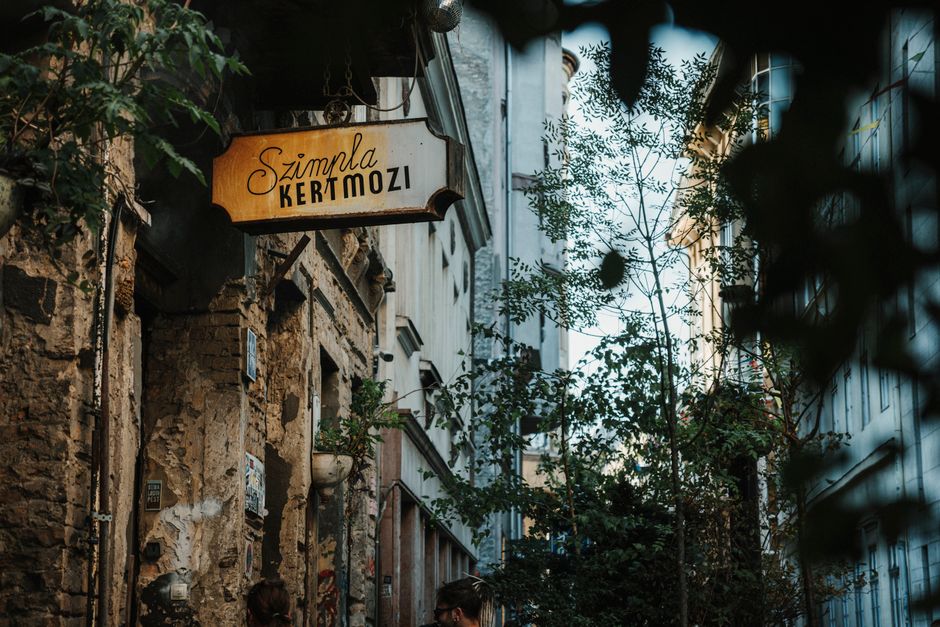
Every Sunday morning, Szimpla Kert (the ruin bar you've probably heard of) transforms from nightlife venue into a bustling farmers' market. Local producers, organic vegetable growers, bakers, cheese makers, and preserves vendors set up in the courtyard. It's one of Budapest's most authentic markets, worth waking up early for.
What's Actually Here
Fresh produce:
- Seasonal vegetables (tomatoes, peppers, courgettes in summer; root vegetables, leafy greens in winter)
- Herbs (fresh dill, parsley, basil, Hungarian staples)
- Berries and stone fruit (cherries, plums, apricots in summer; apples in autumn)
- Mushrooms (sour cherries are legendary, in season)
Baked goods:
- Fresh bread (rye, sourdough, traditional shapes)
- Pastries and cakes (sometimes Hungarian traditional ones like flódni)
- Rolls and morning pastries
Cheese and dairy:
- Cow and sheep's milk cheeses (some Hungarian, some European)
- Butter, sour cream, yogurt
- Quality dairy from small producers
Prepared foods:
- Preserves and jams
- Honey and bee products
- Pickled vegetables
- Salami and cured meats (some producers, some vendors)
Flowers:
- Cut flowers and potted plants
- Seasonal blooms
Crafts and goods:
- Honey, soap, and artisanal products
- Sometimes vintage items or handmade goods
The Timing
When: Every Sunday morning, roughly 8am-1pm (setup starts 7am, vendors are packing by 12:30pm)
Best arrival: 9-10am. Market is in full swing, selection is best, crowds are manageable. Earlier (8-9am) is quieter but some vendors are still setting up. Later (11am+) is busier but selection is diminished.
Market volume: 50-100 vendors depending on season. Summer is busier, winter smaller.
Weather: Covered areas exist, but it's partially outdoors. Rain reduces vendors and makes conditions uncomfortable. Sunny days = best market.
The Vibe
It's genuinely local. You'll see Budapest residents doing their weekly shopping—older women filling baskets with vegetables, young people buying bread, families strolling. There are tourists, but tourists are the minority, which is excellent.
It's slower-paced than the Great Market Hall. Vendors chat with customers. You're not being rushed. People are browsing, tasting samples, deciding.
It's social. People greet each other. Vendors know regulars. It feels like community, not commerce.
Prices
Farmers' markets are generally cheaper than supermarkets, especially for produce. Examples:
- Tomatoes: €1-1.50/kg (vs €2+ in supermarkets)
- Salad greens: €1-2 per head
- Bread: €1.50-3 per loaf (artisanal, so pricier than factory bread, but excellent quality)
- Cheese: €8-15 per 500g (varies by producer and type)
- Honey: €5-10 per jar (local, diverse varieties)
Everything is reasonably priced, not budget, but fair.
What to Buy
Best purchases:
- Produce: Whatever's seasonal and local. Tomatoes in summer are incomparably better than supermarket ones.
- Bread: Artisanal bread from proper bakers. Rye bread is particularly good.
- Cheese: Support local producers. Try Hungarian varieties if you can't bring them home (EU restrictions).
- Honey: Hungarian honey is excellent. Get a jar.
- Herbs: Fresh dill and parsley are staples in Hungarian cooking.
- Flowers: If you're staying more than a few days, cut flowers are cheap and beautiful.
Probably skip:
- Pre-packaged goods that would be cheaper at a supermarket
- Items you can't transport (fresh vegetables if flying out that day)
Food to Eat at the Market
Some vendors sell ready-to-eat items:
- Langos: Sometimes available (fried bread with garlic, €2-3)
- Sausages and grilled meats: Some vendors grill on-site (€4-8)
- Juice and smoothies: Fresh-squeezed fruit juice (€2-4)
- Coffee and pastries: Coffee vendors set up (€1.50-3)
You can make a breakfast or brunch here if you're hungry.
The Szimpla Kert Context
Szimpla Kert is the ruin bar venue by night, farmers' market by day. The space is the same—a courtyard with mismatched furniture, string lights, salvaged decorations.
If you've already visited Szimpla at night, seeing it by day is interesting (same place, completely different energy).
If you haven't visited, the Sunday market is a good introduction—you get to see the space without the loud music and crowds.
The ruin bar doesn't officially function as a bar during the market (though some vendors might be selling drinks). It's genuinely a market, not "ruin bar meets market."
How to Navigate
The market is roughly organized—produce vendors together, bakers together, etc.—but not strictly. Walk the perimeter to see what's available, then shop.
Strategy:
- Arrive 9-10am (reasonable crowds, good selection)
- Walk the entire market first (5-10 minutes) to see vendors
- Buy cold items first (cheese, preserved goods) then perishables (produce, bread)
- Stop for coffee/langos if you want
- Leave by 11:30am if you want to avoid peak crowds
Practical Tips
Bring a bag or backpack. Vendors often have plastic bags but bringing your own is better.
Cash is helpful. Many vendors take cards, but cash makes transactions faster. There's an ATM nearby if needed.
Haggling: Not really a thing at Hungarian farmers' markets. Prices are fair and marked. Vendors aren't expecting negotiation.
Language: Most vendors speak some English. Basic gestures work. "How much?" (Mennyibe kerül?) and "One of that, please" (Egyet abból, kérem) go a long way.
Parking: It's in the Jewish Quarter, which has limited street parking. Use the metro (Blaha Lujza stop is nearby) or get a taxi/Bolt to the location.
Market Accessibility
The market is outdoors and mostly flat (Szimpla's courtyard). It's manageable for most people, though pushing a wheelchair through crowds on peak days would be challenging.
It's family-friendly. Kids are common. No specific services (no changing tables, minimal bathrooms), so plan accordingly.
The Experience Beyond Shopping
The market is as much about the atmosphere as the food. You're seeing Budapest at street level—locals shopping, community building, the neighbourhood's actual life.
Spending an hour here, shopping, having coffee, watching people, is a genuine Budapest experience. It's slower than tourist attractions, less dramatic than Parliament, but it's real.
Combining With the Neighbourhood
You're in the Jewish Quarter. After the market, walk to:
- Kazinczy utca (main ruin bar street, quieter on Sunday mornings)
- Dob utca (galleries, cafés)
- Nearby restaurants for brunch
A complete Sunday morning: market (9-11am), coffee (11-11:30am), brunch in the neighbourhood (12-1:30pm), explore Jewish Quarter (2-4pm).
The Verdict
If you're in Budapest on a Sunday, wake up and come to Szimpla Kert farmers' market. It's authentic, it's social, it's a legitimate window into how Budapest actually works. You'll see locals, you'll get excellent food, and you'll have a story.
Is it essential? No. Is it recommended? Absolutely.