ConciseTravel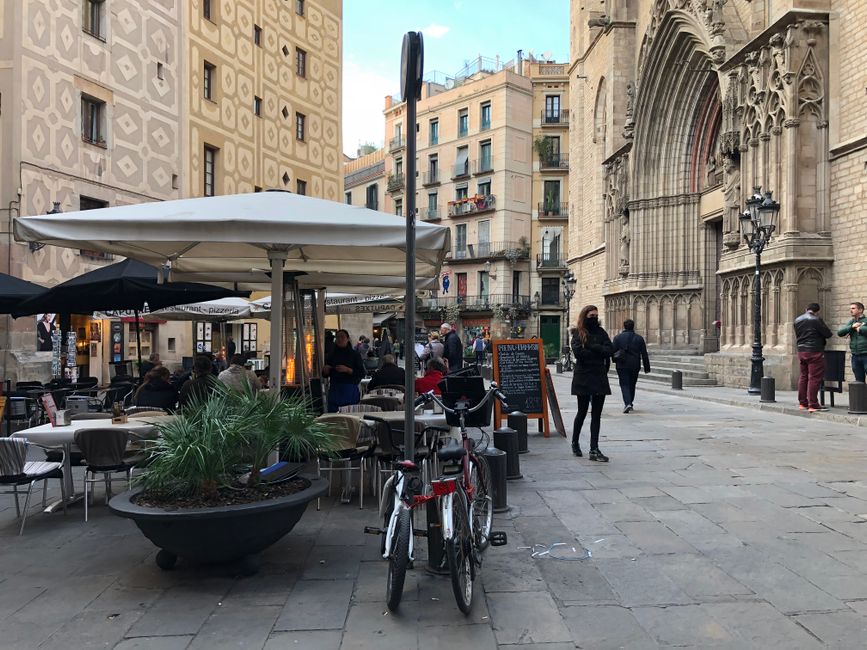
Barcelona's Hidden Neighborhoods: Why Skip the Gothic Quarter (And Where to Go Instead)
The Tourist Funnel
It's 10am on a Saturday in the Gothic Quarter. You've just navigated to Plaça Reial (it's beautiful, you can't deny it). But there are 400 other people in the same plaza. Every street is a bottleneck. Every photo has a stranger's elbow in it. The narrow lanes are so packed that you're moving sideways, slowly, against your will.
This is the Gothic Quarter in peak season. It's not bad. It's genuinely historic and atmospheric. But it's also completely overrun.
Here's the thing nobody tells you: Barcelona has better medieval quarters. Quieter. More atmospheric. Where you can actually stand still and absorb what you're seeing instead of getting swept along by the crowd.
Why the Gothic Quarter Became a Tourist Trap
The Gothic Quarter is old, genuinely, authentically old. Medieval. It's where the city started (as Roman Barcino). So it was always going to be a draw.
But here's what tipped it into "tourist central":
- It's compact. Everything is within 5 minutes of everything else, so tour groups cluster there.
- It's walkable. No hills, no navigation difficulties, no "am I lost?" anxiety.
- It's marketed heavily. Every guidebook, every Instagram post, every friend who's been says: "You have to go to the Gothic Quarter."
- The souvenirs are cheap. Las Ramblas is right there, feeding the tourist machine.
So millions of people arrive, cram into the same narrow streets, and have the experience of being in Barcelona's Gothic Quarter with a million other people rather than Barcelona.
The Flip Side: What You're Actually Paying For
Let's be clear about what the Gothic Quarter is and what it isn't:
It is: Beautiful medieval architecture, narrow alleys, a few genuinely important churches (Barcelona Cathedral, Basilica Santa Maria del Mar nearby), and the sense that you're walking through actual history.
It's not: A place to feel the city's rhythm. It's not where locals hang out on a Saturday. It's not somewhere you'll stumble into a hidden cafe that only natives know about. It's a historical museum, basically, that you have to navigate as a crowd.
Which is fine if you have 45 minutes and want to check a box. But if you're staying 3+ days, you can do better.
The Alternative: El Born (Right Next Door, Completely Different Vibe)
Here's the secret that actually isn't a secret, it's just overlooked.
El Born is where the Gothic Quarter should be. Medieval buildings, narrow streets, actual atmosphere, but 30% the tourist density.
Yes, it's also become more touristy in the last 5 years. But it's still lived-in. Locals actually have apartments here. They drink coffee in the cafes. They shop at the small boutiques instead of souvenir stores.
The key difference: El Born is a neighborhood that tourists visit. The Gothic Quarter is a destination that tourists invade.
What to do in El Born:
- Picasso Museum: Art, indoor, air-conditioned. Go on a rainy afternoon.
- Basilica Santa Maria del Mar: A stunning 14th-century church. Much less crowded than Barcelona Cathedral, and arguably more beautiful (sunlight through the stained glass is magical).
- Carrer de l'Argenteria: A shopping street with actual local boutiques (not souvenir shops). Clothes, jewelry, design.
- Small plazas: Wander and find them. Each one has its own character.
- Tapas bars: Walk Carrer de Montcada or the side streets and find cafes that locals use.
The vibe: You'll see tourists, but you'll also see people living their lives. It feels more authentic because it partly is.
Other Neighborhoods Worth Your Time Instead
If you've got 3–4 days, skip a long session in the Gothic Quarter and try these instead:
Gràcia
15 minutes north of the city center. It was an independent village before Barcelona absorbed it, and it still feels separate. Tree-lined streets, tiny plazas, boutique shops, independent cafes, students, artists.
Why locals love it: No tourists really go here. The plazas (Plaça del Sol, Plaça de la Virreina) are where the neighborhood lives, kids playing, adults drinking coffee, life happening.
Best time: Early evening (6–8pm). The plazas fill up, the cafes get busy, and it's genuinely charming.
Poble Sec
South of the city center, less famous than El Born, but with a different energy. Industrial history, galleries, wine bars, tapas culture.
Why it matters: Carrer de Blai is the tapas street. Walk into any bar, order one pintxo (small plate) and a drink, move to the next bar. You'll eat better and spend less than in the Gothic Quarter.
Best time: Evening (8pm onward), when the bars fill with locals.
Raval
West of Las Ramblas. Edgier, less touristy, genuinely diverse. Street art, independent shops, a few good museums (MACBA).
Fair warning: Parts of Raval feel sketchy at night. Stick to main streets, go with a friend if you're solo, and use common sense. But during the day or early evening, it's fascinating.
The Honest Assessment: Should You Visit the Gothic Quarter At All?
Yes, briefly. Here's why:
- Barcelona Cathedral is genuinely impressive. Not as otherworldly as Sagrada Família, but beautiful and central to the city's history.
- The narrow alleys are photogenic. If you're taking pictures, you'll find good shots.
- It's compact enough that you can "do" it in 45 minutes. Go early (before 9am) when it's quiet, see the Cathedral, walk through a few alleys, and leave.
Don't: Spend 3 hours here thinking you're getting the "real Barcelona." You're not. You're seeing a preserved historical district that's been optimized for tourism.
Do: Spend 45 minutes, then move on to El Born or Gràcia where the city actually lives.
The Timing Hack: Beat the Crowds If You Insist on Going
If you want to experience the Gothic Quarter with minimal crowds:
- Tuesday–Thursday, 8–9am. Most tourists sleep in or are already at another attraction. The streets are calm. Light is good for photos. Do it.
- Avoid: Weekends, 10am–5pm. Completely pointless. You'll spend more time waiting to move than actually seeing things.
- Evening (6–8pm): Less crowded than midday, but still busy. Better light for photos though.
What You'll Find When You Leave
Once you escape the tourist funnels, Barcelona gets interesting.
The city isn't the Gothic Quarter. The city is Gràcia at sunset, El Born in the evening, Poble Sec's tapas bars, a cafe where you sit for 30 minutes and actually talk to someone, the neighborhoods where life happens rather than tourism.
For detailed restaurant recommendations in El Born and Gràcia, exact metro stops to avoid getting lost, and the best time-of-day strategies for avoiding crowds while still seeing the city's major sights, check out our Barcelona guide's section on Attractions and the neighborhood breakdowns, it's got the logistics to execute this "skip the trap, embrace the alternative" strategy.
Master Barcelona in Minutes
Don't waste hours planning. Get our condensed, digital cheat sheet with everything you actually need.
Shop Guide on Etsy →