ConciseTravel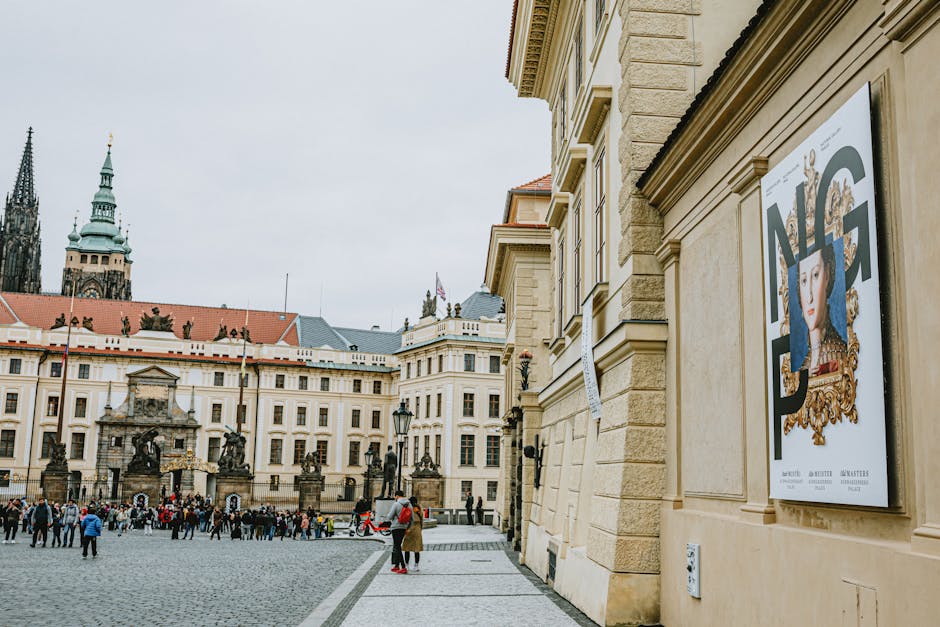
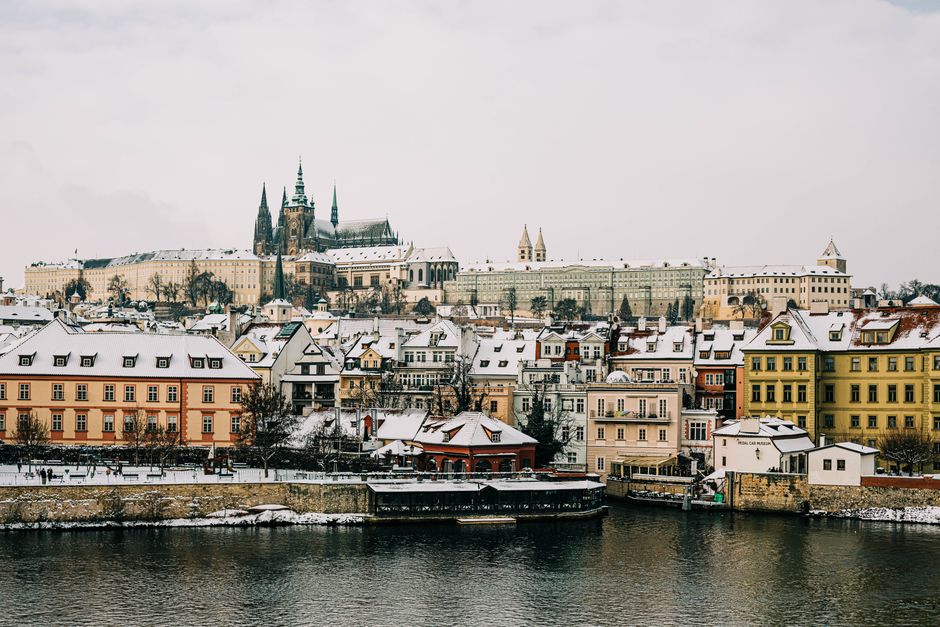
Prague Castle isn't a castle the way you're picturing it. It's not a fortress you storm. It's a 9-hectare complex of buildings, courtyards, gardens, and churches sprawling across a hilltop, containing over 1,000 rooms, St. Vitus Cathedral, palaces, barracks, and the official residence of the Czech president.
The Guinness Book of World Records calls it the largest castle in the world. What that actually means: it's massive, confusing to navigate, and if you try to see everything, you'll spend 6 hours and lose the plot.
Here's what's actually worth your time.
What Prague Castle Actually Is
St. Vitus Cathedral: Check. Medieval ramparts: Check. Royal palaces where kings lived: Check. Thousands of tourists in a confined space: Absolutely check.
Prague Castle is functional, not romantic. It's a political complex first, a tourist attraction second. Approach it as a place of power that's been continuously used for 1,000 years, and it becomes genuinely interesting.
The Essential Route (2–3 Hours)
If you have 2–3 hours, see this and call it done. Everything else is repetitive or overstuffed.
1. St. Vitus Cathedral (1 hour)
This is the money shot. Started in 1365, not finished until 1929. Gothic masterpiece that makes your brain hurt.
What to see:
- The main nave (absolutely enormous)
- The stained glass windows (especially the modern ones—some are genuinely shocking)
- The Royal Mausoleum (where kings actually rest)
- Crown jewels vault (you can see through a window into the room; they don't let you in)
Skip: The tomb of St. John of Nepomuk (it's ornate, it's famous, it's aggressively boring). The St. Wenceslas Chapel (stunning but packed; come back if you have time).
Honest tip: Arrive by 8:00am (before the buses), spend 45 minutes, leave. Return at 17:00 (sunset light is perfect) for 20 more minutes just for the light. Don't do it once; do it twice.
2. Golden Lane (30 minutes)
This is the famous "where alchemists lived" street. It's a touristy nightmare but genuinely charming if you hit it right (early morning or after 17:00).
Narrow street, tiny historic houses (now shops), where alchemists and royal residents supposedly lived. House #22 is where writer Franz Kafka lived briefly (very briefly, and he hated it, but hey).
Real talk: It's Instagram bait. It's worth 15 minutes. Don't stay longer.
3. Royal Palace Throne Room (20 minutes)
Vladislav Hall is enormous and empty—literally empty, because it was used for tournaments and ceremonies. Ceiling is insane (wooden, ribbed, no visible supports). Walk through, understand why kings were impressed, move on.
Skip everything else in the Royal Palace. The rooms are small, you're crowded, and after two ornate rooms, they blend together into "historic furniture."
4. St. George's Basilica (15 minutes)
Older than the cathedral (founded 920 AD). Romanesque and small, which means it's not crowded. Beautiful in a understated way. Five minutes inside, ten for the attached convent if galleries interest you.
Real talk: It's good but not essential. You have limited time; use it on the cathedral and Golden Lane.
5. The Ramparts (20 minutes)
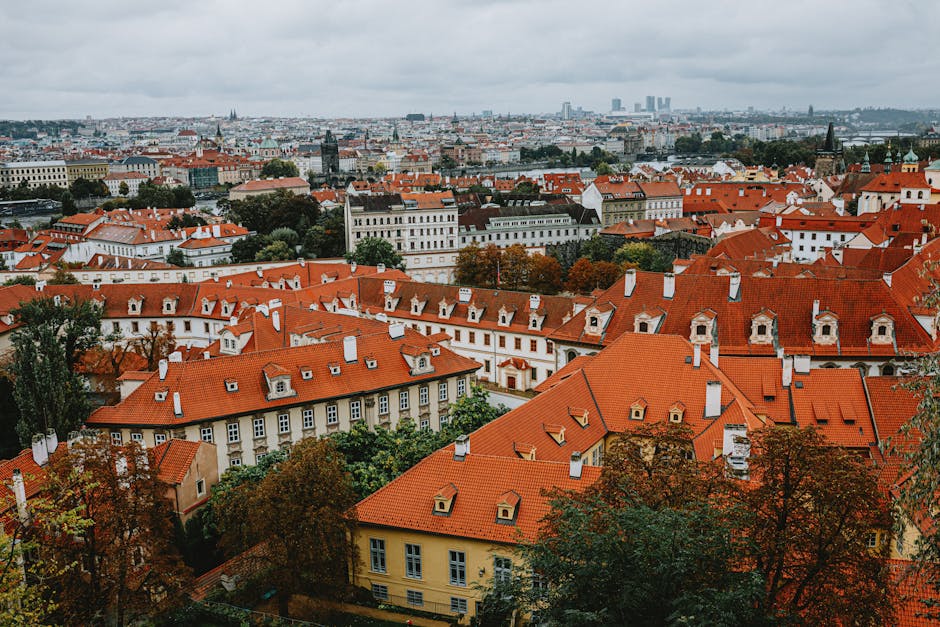
Walk the outer walls. Views of Prague below, Prague Castle sprawl above. You're not going anywhere; you're just walking ramparts and breathing. Essential for understanding scale.
What to Skip (Seriously)
- Lobkowicz Palace: Private palace collection. Fine, but you can see old furniture elsewhere.
- St. Vitus Treasury: Boring (unless you love medieval religious artifacts).
- Mihulka Powder Tower: Historical, empty. Skip it.
- Tower climbing: You've already seen the view from the ramparts.
- Picture Gallery: More old paintings. You've seen these in museums that are less crowded.
Tickets & Timing
Cost: 250 CZK (~£10) for basic entry (cathedral + selected buildings). 350 CZK (~£14) for full access.
Best time to visit:
- Avoid: 10am–4pm (buses dump crowds)
- Go: 7:30–9am (early morning, light is good, tourists asleep) or 17:00–19:00 (golden hour, crowds dispersing)
How long to actually spend: 2.5–3 hours if you're focused. 5+ hours if you're completionists (you'll regret it).
Tours: Skip them. The castle is confusing but not that confusing. You have maps. Use them.
Getting There
- Tram #22: Direct from city center to Pražský Hrad stop (we covered this separately)
- Walking: From Old Town, about 20 minutes uphill (Nerudova Street). Scenic but leg-burning.
- Metro + walk: Take red line to Malostranská, walk uphill 10 minutes.
From Strahov Monastery (adjacent), it's a 5-minute walk.
What Makes It Actually Interesting
Don't think of Prague Castle as a fortress you're conquering. Think of it as the continuous seat of Czech power for 1,000 years. Kings lived here. Emperors ruled from here. The president still has offices here. You're walking the same grounds where medieval politics happened, where the Defenestration of Prague started (throw nobles out the window—very Prague), where the Thirty Years' War decisions were made.
The history is the attraction. The buildings are just vessels for it.
Combining With Other Stops
Full morning: Prague Castle (2.5 hours) + Strahov Monastery (1 hour, right next door) + lunch at a monastery beer hall.
Extended: Prague Castle morning + afternoon in Petřín Park and Petřín Tower (funicular is adjacent) + evening beer.
Efficient: Tram #22 from city center, stop at castle, walk around Golden Lane + Cathedral (1.5 hours), continue on tram #22 to other areas (no re-backtracking).
Photography Notes
- Early morning: Soft light, empty Golden Lane, cathedral light is diffuse (best for details).
- Golden hour (17:00–19:00): The entire castle glows. St. Vitus Cathedral looks like it's on fire. Best for dramatic shots.
- Avoid: Midday hard light. Everything looks washed out, shadows are harsh, you're also melting in crowds.
Master Prague in Minutes
Don't waste hours planning. Get our condensed, digital cheat sheet with everything you actually need.
Shop Guide on Etsy →