ConciseTravel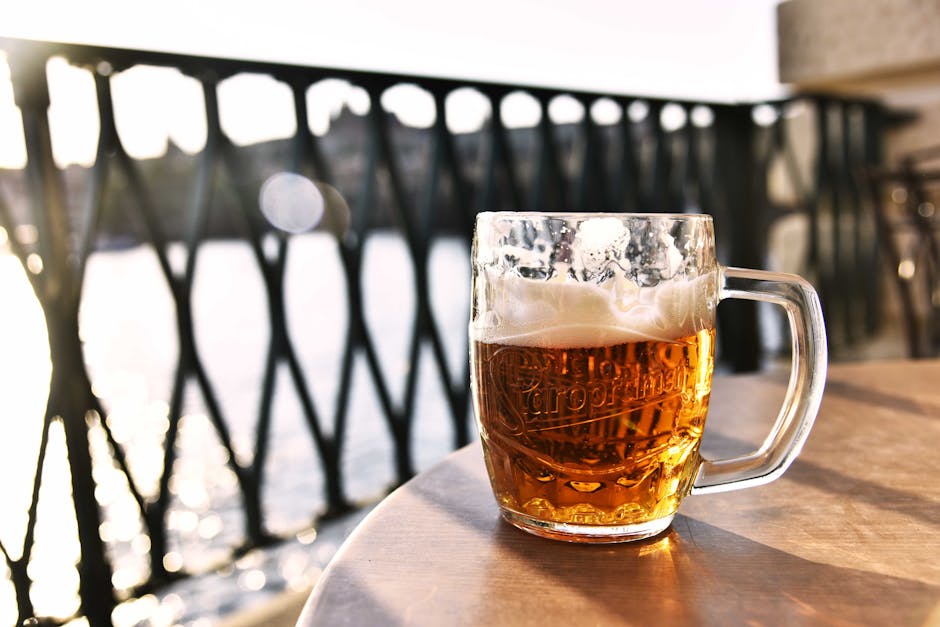
Czech beer is genuinely world-class. Not because Czechs are superior brewers (though they're good), but because they invented the style (pilsner), perfected it 150+ years ago, and haven't stopped since.
Prague is where beer is taken seriously. You should take it seriously too.
Czech Pilsner (The Foundation)
Czech pilsner is a specific thing: light lager, 4.5–5.2% ABV, heavily hopped, crisp finish, slightly sweet malt. It's the style Pilsner Urquell defined in 1842 and which every other pilsner in the world copies.
Why it matters: Czechs don't drink IPAs or craft experiments. They drink pilsner, the same way Germans drink beer, the same way Belgians drink Trappist ale. It's the drink.
Pilsner Urquell (Prazdroj):
- The original, still the best-selling Czech beer
- Brewed in Plzeň, Czech Republic
- Gold standard Czech pilsner
- Available everywhere
Why it's good: Balance. Not too bitter, not too sweet, crisp, clean, refreshing. It's perfectly engineered.
Honest take: Pilsner Urquell is the Coca-Cola of Czech beer—ubiquitous, consistent, genuinely good. But like Coca-Cola, there are better options if you look.
Tank Beer (Nefiltrovaná Piva)
This is the move. Tank beer is unpasteurized, unfiltered lager that tastes fundamentally different from bottled Pilsner Urquell.
What it is: Beer drawn directly from a tank, poured fresh, consumed within hours. The flavor is brighter, fresher, more alive than bottled beer.
Common tank beers:
- Gambrinus (Plzeň brewery): Slightly sweeter, slightly lower alcohol, very accessible
- Krušovice Tmavá (darker tank beer): If you want something richer
- Staropramen (Prague brewery): Smooth, slightly malty, genuinely good
Where to get it: Any proper beer hall will have tank beer on tap. It's standard, not special.
Price: Same as bottled pilsner, sometimes cheaper. 30–50 CZK (~£1.20–2) per 0.5L glass at a pub.
Why it's better: Fresh. The flavor profile is different—brighter hops, crisper finish. It tastes like beer should taste immediately after brewing, not weeks in a bottle.
First-timer move: Order a 0.5L glass of tank beer (Nefiltrované) at any beer hall. You'll immediately understand the difference.
Becherovka (The Herbal Liqueur)
Not beer, but essential to Czech drinking culture.
What it is: Herbal liqueur (38% ABV), made in Karlovy Vary since 1807, with a secret blend of 20+ herbs. Tastes vaguely medicinal but in a good way.
Flavor: Herbal, slightly bitter, warming, with subtle cinnamon and caraway undertones.
How it's consumed:
- Shot (ice-cold): The traditional way. Sip slowly, feel the warmth.
- With tonic water: Becherovka + tonic, served cold. Actually refreshing.
- In cocktails: Increasingly popular in modern bars.
Price: 30–40 CZK (~£1.20–1.60) per shot in a pub.
Honest take: It's an acquired taste (herbal liqueurs generally are). But it's uniquely Czech and worth trying. Shot it ice-cold, don't overthink it.
When to order it: After a meal, or as a nightcap. Not a drinking beer; it's a moment.
Beer Hall Culture (Where to Actually Drink)
U Flecků (Old Town)
- Historic (founded 1499)
- Serves Fleckův Tmavý Ležák (their own dark lager)
- Touristy but genuinely excellent atmosphere
- Where to go if you want the classic Prague beer hall experience
U Zlatého Tigra (Old Town)
- Bohumil Hrabal territory (famous Czech author drank here)
- Small, crowded, no tourists (mostly locals)
- Real beer hall energy
- Harder to get in, worth the effort
Lokální Hospoda (multiple locations)
- Modern-traditional, still authentic
- Good food + good beer
- Less aggressively crowded than U Flecků
Hospoda Na Kovárně (Vinohrady)
- Working-class neighborhood pub
- Where locals actually drink
- Zero tourists, genuinely good beer and food
Czech Beer Styles (Beyond Pilsner)
Tmavé (Dark/Dark Lager):
- Darker malt, more body, slightly sweet
- Try: Krušovice Tmavá, Fleckův Tmavý Ležák
- Good for darker, colder months
Speciál/Silné (Strong):
- Higher alcohol (5.5–6.5%), more body
- Try: Gambrinus Speciál, Krušovice Speciál
- For evening drinking (slow down, pay attention)
Nefiltrovaná (Unfiltered/Tank):
- The move, covered above
- Fresher, brighter, purer taste
- Order this whenever possible
Světlá (Light/Pale):
- Standard, what most people drink
- Pilsner Urquell is the gold standard
Practical Reality
Ordering: Point at beer on tap, say "Půllitr prosím" (0.5L please) or "Malý" (small, 0.3L). No one will judge you for either.
Water: Always free. Beer is so cheap water is irrelevant, but they'll bring it anyway.
Cost: 30–50 CZK (~£1.20–2) for 0.5L at a good pub. Tourist areas charge 60–100 CZK (~£2.40–4). There's no reason to pay that.
Drinking culture: Beer is drunk slowly, socially, with food. Czechs don't "party drink" beer; they settle in for hours with a pint and good company.
Pacing: A typical evening: arrive 7pm, order first beer, order food, drink until 10–11pm. That's 3–4 beers across 4 hours. That's normal.
Honest Recommendations
Essential pilsner: Drink Pilsner Urquell once. It's the standard. Then drink everything else.
Essential tank beer: Order unfiltered (nefiltrovaná) at any beer hall. It will change how you think about beer.
Essential Becherovka: One shot, ice-cold, no mixers. Understand what 20 herbs taste like.
Essential experience: Spend an evening (3–4 hours) in a proper beer hall (U Flecků, U Zlatého Tigra, or a neighborhood hospoda). Drink slowly, eat, listen to Czech being spoken, understand the culture.
What NOT to Do
- Don't order Heineken or other international brands. You're in Prague. That's insult.
- Don't chug beer. Czechs find this aggressive and weird.
- Don't skip the food. Beer with food is the tradition; beer alone is missing the point.
- Don't miss tank beer. It's the most important thing you'll drink here.
The Honest Truth
Czech beer culture is genuine. It's not a tourist thing; it's a life thing. Czechs drink beer regularly, socially, with respect for the product.
When you drink Czech beer in a Czech beer hall with Czechs, you're participating in something that's been continuous for centuries.
That's the real experience, not the novelty.