 ConciseTravel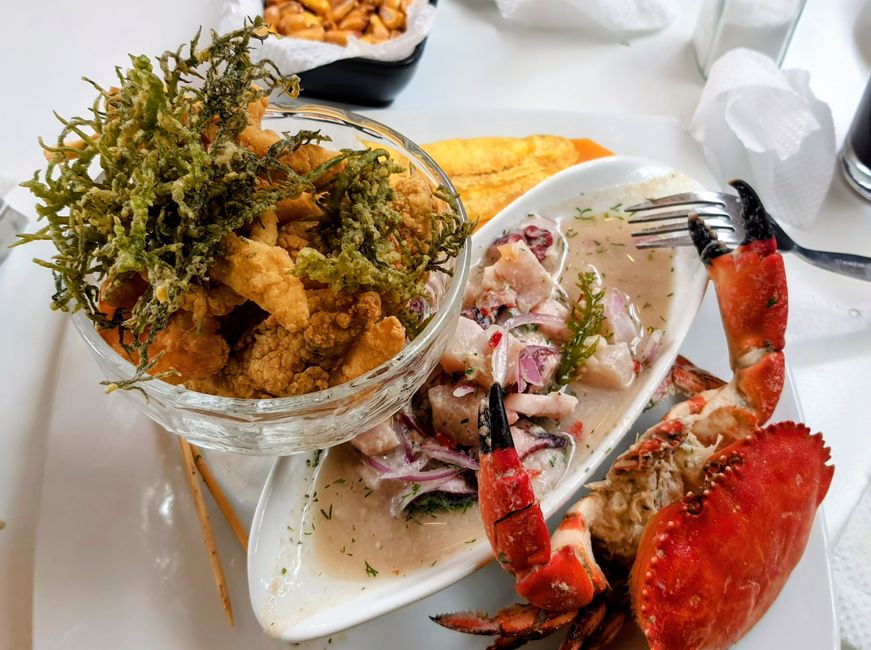
Miami's food identity is layered: Cuban, Caribbean, Latin American, coastal Florida, and increasingly, modern American. You can't spend three days in Miami without understanding its food culture. You should eat specific things.
The Cuban Sandwich (Cubano)
The cubano is Miami's essential sandwich. Roasted pork (lechon), ham, Swiss cheese, pickle, and mustard, pressed on Cuban bread. The result is crispy on the outside, molten and flavor-dense on the inside.
Why it matters: The cubano is Cuban-American cultural artifact. It's inexpensive, it's authentic, and it tastes like Miami feels.
Where to eat it: El Exquisito (Calle Ocho, Little Havana) is the most famous. $6–8 for a legitimate cubano. Versailles Restaurant also serves them. Many cafes in Little Havana have good versions.
The experience: It's messy. It's hot. It's delicious. Order it and eat it immediately while it's warm. This is a sandwich that demands attention.
Pro tip: Ask for a medianoche (midnight sandwich) if they have it. It's the same sandwich on slightly sweet bread, traditionally served late at night. It's subtle but worth knowing about.
Stone Crab
Stone crab is a Florida delicacy. Harvested from October through May, stone crabs have large claws with sweet, tender meat. The flavor is subtle—more delicate than regular crab—and the ritual of eating (cracking, dipping in butter, savoring) is part of the appeal.
Why it matters: Stone crab is luxury Florida food. It's local, seasonal, and traditionally served at high-end restaurants. It's also expensive, which is part of the experience.
Where to eat it: Joe's Stone Crab (South Beach) is legendary. Expensive and busy, but iconic. South Beach restaurants serve it. Casual spots in Little Havana might have it, but fine dining is the default.
How it's served: Usually chilled claws with drawn butter and mustard sauce on the side. You crack the claw, dip the meat, eat. Repeat. It's slow food.
Cost: Expensive. $40–80 per portion depending on claw size and restaurant. Factor it into a special meal.
Best time: October–May. Outside this window, it's not available (legal restriction on harvesting).
Pro tip: Stone crab season runs October 15–May 15. If you're visiting outside this window, you won't experience it. Plan accordingly.
Ceviche
Ceviche is raw fish "cooked" in citrus. The acid denatures the protein without heat. The dish is refreshing, bright, and deeply associated with Caribbean and Central American cuisine.
Miami's ceviche ranges from traditional Peruvian style (tomato, onion, lime) to modern fusion interpretations. All are good.
Why it matters: Ceviche represents Miami's Caribbean and Latin American identity. It's also a summer dish—light, refreshing, perfect for warm weather.
Where to eat it: Wynwood has multiple restaurants with excellent ceviche. Peruvian, Mexican, and fusion spots all serve versions. Little Havana also has good options.
Cost: $12–18 for an appetizer portion, $18–25 as a main course.
The experience: Ceviche is a fork-and-plate dish. It's sophisticated but accessible. It's something you eat and immediately understand why Miami is tropical and coastal.
Variations: Peruvian ceviche is clean (fish, citrus, minimal garnish). Mexican versions might include avocado or jalapeño. Filipino takes add different herbs. Order different versions and compare.
Key Lime Pie
Key lime pie is a Florida institution. Made with sweetened condensed milk, egg yolks, and key lime juice, it's tangy, rich, and quintessentially Florida.
The traditional version has a simple crust (often graham cracker), a lime filling, and sometimes meringue topping. Modern versions vary, but the core is recognizable.
Why it matters: Key lime pie is comfort food that tastes like the Keys—tropical, tart, nostalgic.
Where to eat it: Restaurants throughout Miami serve it. Joe's Stone Crab has a famous version. Casual dining (even chains) often have decent key lime pie.
Cost: $5–10 per slice at most restaurants. Worth ordering as a dessert.
The experience: Key lime pie is nostalgic and bright. The tartness cuts through richness. It's the right dessert for a Miami meal.
Pro tip: If you're visiting the Keys (day trip), eat key lime pie there. It tastes better at the source. Miami versions are still good, but the Keys are the home.
Context and Eating Strategy
Meal budget: Budget $15–25 per casual meal, $40–80 for sit-down restaurants. Ceviche and cubano are cheap. Stone crab and fine dining push the budget.
Timing: Breakfast (Cuban coffee + pastry): $5–8. Lunch (cubano or casual): $10–18. Dinner (sit-down): $30–60.
Eating across neighborhoods:
- Little Havana: Cuban food, cubanos, coffee. Budget-friendly.
- Wynwood: Modern restaurants, ceviche, fusion. Mid-range.
- South Beach: High-end restaurants, stone crab, expensive.
- Coconut Grove: Casual, good seafood, mid-range.
Eating pattern: Have cubano for lunch in Little Havana. Have ceviche or casual Caribbean food for dinner in Wynwood. Save sit-down fine dining for one special meal (stone crab at Joe's or a Wynwood restaurant).
Don't Miss
Ropa vieja: Shredded beef braised in tomato sauce. Cuban, comforting, available everywhere.
Arroz con pollo: Chicken and rice, often served with plantains. Basic, delicious, quintessentially Miami.
Fresh tropical fruits: Mango, papaya, guava, passion fruit, and others that are unavailable or expensive elsewhere.
Plantains: Fried (maduros) as a side. Savory, rich, essential to Cuban meals.
Cuban bread: Harder crust, subtle sweetness, the base for Cuban sandwiches. You'll notice it once you taste it.
The Honest Assessment
Miami's food is defined by its Latin American and Caribbean heritage with modern innovation. You can eat very well without spending much if you know where to look. You can also overpay badly at tourist traps.
The strategy: Eat Cuban food in Little Havana (cheap, authentic). Eat modern food in Wynwood (good quality, mid-range). Eat fine dining once as a splurge.


