 ConciseTravel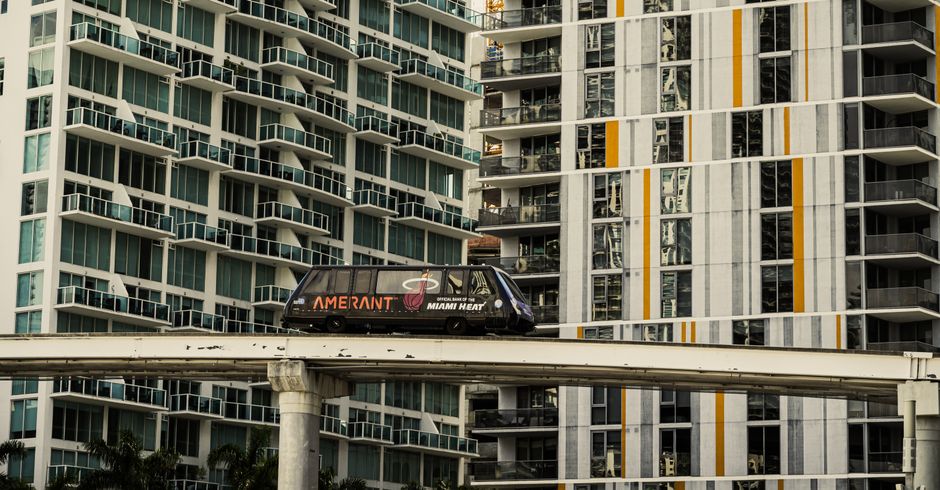
You don't need a car in Miami if you know the system. The city has evolved beyond "drive everywhere." Metrorail handles the long distances, CitiBike covers the neighborhoods, free trolleys bridge the gaps, and Uber fills the gaps. This combination is cheaper than renting a car and gives you a better feel for the city.
CitiBike: The Neighborhood Connector
Miami's CitiBike system is a revelation if you've used other bike-share programs. Stations are everywhere—South Beach, Wynwood, Brickell, Coconut Grove, Midtown. You unlock a bike using the app, ride to your destination, and dock it. Rides cost $3.50 for a single trip or $24/month for unlimited 45-minute rides (overage is $3 per trip).
Why CitiBike works: Miami is surprisingly bikeable. South Beach to Midtown is a flat, straight shot. Wynwood's street grid is tight and bike-friendly. Coconut Grove has dedicated lanes. The infrastructure exists; most tourists just don't know it.
When CitiBike shines: Short hops within neighborhoods (under 3 miles), daytime cruising, exploring areas you'd normally Uber through. A ride from South Beach to Wynwood? That's $3.50 and 20 minutes on the bike. Uber would be $15 and stuck in traffic.
Limitations: The 45-minute timer is real. If you exceed it, you're paying overage fees. The system is best for neighborhood exploration, not cross-city journeys. Also, Miami heat is relentless—you'll sweat. Ride early morning or late afternoon.
The Trolleys: Underrated and Often Free
Several neighborhoods run free or cheap trolley services. South Beach has the South Beach Local (free, runs every 15–20 minutes). Wynwood has trolleys connecting galleries. Coconut Grove has a village trolley. Downtown has the aforementioned Metromover, which is essentially a trolley system.
South Beach Local: The most useful for tourists. It loops through South Beach, hits the Art Deco Historic District, and connects to the Metrorail. Free. Runs until 10 PM. It's slow (you're on a 15-passenger vehicle, not a train), but it eliminates the need for an Uber for short distances.
Wynwood trolley: Less frequent but connects the main art galleries and street art walls. Useful if you're doing a gallery crawl.
Coconut Grove Village trolley: Covers the Grove's main drag. Free. Useful for staying contained within the neighborhood.
Reality check: Trolleys are slow and infrequent compared to Metrorail or Uber. Use them when you're in no hurry. Don't rely on them for time-sensitive connections.
Metrorail: The Backbone
Metrorail (the automated train we covered separately) is the long-distance layer. For $2.50 per ride, you can reach Midtown, Wynwood, Brickell, downtown, and the airport. Trains run every 10–15 minutes during the day, every 20–30 minutes at night.
How to use it: Buy a MOVER card ($2 one-time), load it with cash, and tap at the turnstile. The card works for both Metrorail and Metromover (also works on buses).
Best for: Moving between neighborhoods, reaching the airport, getting to attractions outside the immediate area (Wynwood from South Beach, Brickell from downtown).
Limitation: Metrorail has limited coverage. It doesn't serve all neighborhoods equally, and late-night service is spotty. After midnight, you're back to Uber.
Buses: The Honest Option
Miami-Dade buses run throughout the county. They're cheap ($2.50 per ride, same MOVER card works). They're also slow—buses hit every stop, catch every red light, and take 2–3 times longer than Metrorail for the same distance.
Buses are best for very short hops where you don't mind the extra time. Most tourists skip them in favor of Uber or Metrorail.
Uber and Lyft: The Backup
Accept that sometimes you'll Uber. It's fast, reliable, and ($25–40 for most in-city rides) reasonable. Use it when:
- You're tired and it's late.
- You have luggage.
- You're traveling in a group (cost per person drops).
- It's dark and you don't want to bike.
- You're leaving South Beach for Wynwood at rush hour (Metrorail would be slow).
Budget-conscious travelers should think of Uber as the gap-filler, not the primary transit. Use Metrorail for distance, CitiBike for neighborhoods, and Uber for time or comfort.
The Carfree Miami Itinerary
Morning (8–11 AM): CitiBike around your neighborhood. Rent a bike, explore, grab coffee.
Midday (11 AM–3 PM): Metrorail to a different neighborhood. Explore on foot or CitiBike.
Afternoon (3–6 PM): Trolley or second Metrorail leg, more walking.
Evening (6–10 PM): Restaurant on Metrorail or Uber home (surge pricing is lower before 11 PM).
Late night (10 PM+): Uber. Public transit is sparse.
This combination costs about $20–25 per day if you skip Uber. Add a couple of Ubers and you're at $40–50. Compare that to a rental car ($50–75 per day plus parking) and you're ahead.


