 ConciseTravel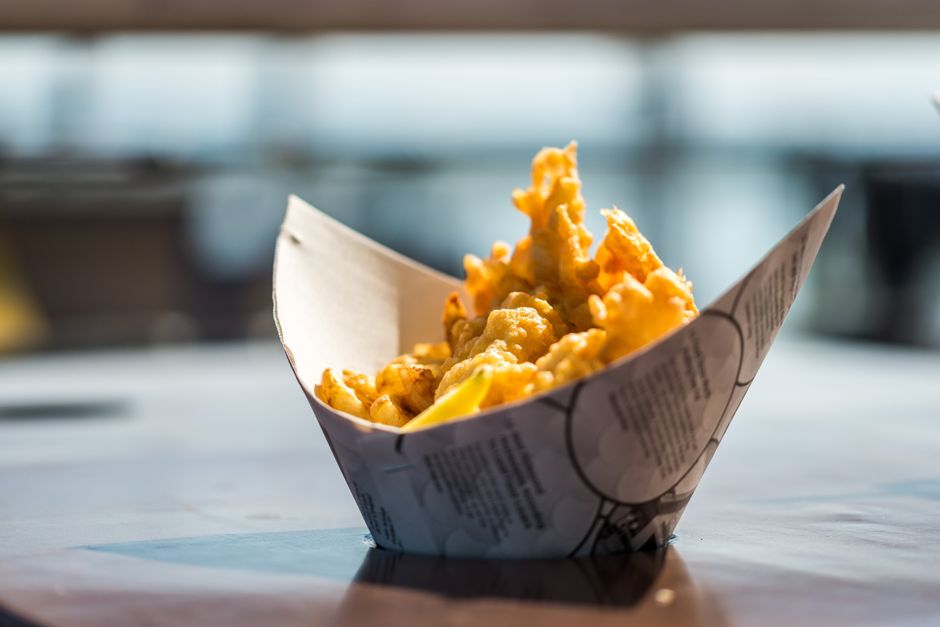
Irish food has a reputation for being heavy, stodgy, and repetitive. That reputation is partly earned and partly unfair. Irish cuisine is genuinely good when it's done well and when you understand what you're eating and why.
The key: seek out actual Irish food (what Irish people eat, not what tourists are told to eat), eat it in the right context, and appreciate it as fuel and tradition rather than culinary innovation.
The Full Irish Breakfast
The full Irish breakfast (sometimes called "fry" or "full fry") is what you get if you stay in a B&B. Bacon, sausage, eggs, black pudding, white pudding, beans, toast, possibly grilled tomato or mushroom.
It's heavy, it's designed to fuel farmworkers for the day, and it's genuinely delicious if made well.
What to understand: The black pudding is a mixture of pork blood, fat, and oatmeal. Sounds grim, tastes rich and slightly metallic in an interesting way. The white pudding is similar but without the blood. Both are authentic Irish food with centuries of history.
Where to get it: Your B&B includes it. Most cafes and breakfast spots serve it for €10-€15.
When to eat it: Breakfast, obviously. It'll sustain you through lunch easily.
Pro tip: If you don't like black or white pudding, ask the person serving to leave it off. No judgment.
Coddle
Dublin coddle is Dublin working-class food. Literally just: potatoes, onions, sausages, and bacon, boiled together in the same pot. That's it.
Sounds simple. Is simple. Tastes better than it sounds, especially when you're tired or hungover.
What to understand: It's peasant food. Cheap ingredients, easy to make, filling, delicious in its simplicity. The flavours mix together—pork fat and onion softness and potato texture combining into something that's comforting rather than sophisticated.
Where to get it: Traditional Irish pubs. Ask for "coddle." Some restaurants serve it; most pubs will tell you which local place does it best.
When to eat it: Lunch or dinner. Especially good after a night out.
Cost: €8-€12 for a large bowl.
Pro tip: Try it at least once. It represents Dublin working-class food better than almost anything else.
Boxty
Boxty is Northern Ireland/border country food, but Dublin restaurants serve it. It's a pancake made from potato and flour, usually stuffed with something (stew, cheese, vegetables, meat).
Light, slightly crispy outside, soft potato pancake inside. Actually quite good.
What to understand: Not fancy, but genuinely tasty comfort food. The potato base gives it a texture that regular pancakes don't have.
Where to get it: Irish restaurants, pubs, some cafes. Usually lunch item.
Cost: €10-€15.
When to eat it: Lunch or early dinner.
Pro tip: Order it filled with stew if you want the traditional version. Cheese/vegetable versions are lighter.
Fish and Chips (Chipper)
The Irish "chipper" is the fish and chips shop. Usually takeaway, sometimes with seating. The fish (usually cod or basa) is battered and fried. Chips are thick-cut, often hand-cut. Eaten with salt and vinegar or sauce.
This isn't fancy. It's street food. But it's genuinely good street food when done well.
What to understand: The quality depends entirely on the shop. Some are brilliant, some are mediocre. Ask locals where they go.
Where to get it: Chippers everywhere in Dublin. Usually in neighbourhoods, not central tourist areas.
Cost: €6-€10 for a meal.
When to eat it: Lunch, evening food, post-pub food at 2am.
Pro tip: Eat it sitting by the water (Ha'penny Bridge area, Dún Laoghaire, Howth harbour) rather than in your hotel room. Setting matters.
Soda Bread
Irish soda bread is slightly sweet, dense, satisfying. It's bread made with baking soda instead of yeast. Quick to make, traditionally done. White soda bread is more common than brown, but brown is genuinely good.
Where to get it: Everywhere. Bakeries, cafes, restaurants. Often comes with butter for breakfast or lunch.
Cost: €1-€3 for a slice or €3-€5 for a loaf.
Pro tip: Authentic soda bread is dense and slightly crumbly. Don't expect fluffy. That's the point.
Colcannon
Mashed potatoes mixed with cabbage or kale, served with butter melting through it. Sounds boring, is actually delicious. Proper Irish side dish.
Where to get it: Traditional Irish restaurants and pubs.
Cost: Usually served as a side (€2-€4) or part of a main course.
Stew (Irish Stew)
Irish stew is potatoes, onions, meat (usually mutton or lamb), and sometimes vegetable. Long-cooked, hearty, warming. It's what Irish grandmothers cook.
Where to get it: Every pub, every restaurant. Standard Irish dish.
Cost: €12-€18 for a bowl.
When to eat it: Winter, evening, cold day, after a long walk, anytime really.
Pro tip: The best stew is made from proper meat stock. Bad stew is just boiled ingredients. Ask the restaurant if they make it fresh.
Irish Steak
Irish beef is genuinely excellent. If you get a proper Irish steak (usually from a good restaurant, €25+) it's worth the money. The cattle are grass-fed, the meat is high quality.
Where to get it: Good restaurants, steakhouses. Skip the tourist trap restaurants.
Cost: €25-€40.
Strategy for Eating Irish
Breakfast: Get the full Irish. It's tradition, it's good, it's part of the experience.
Lunch: Try coddle or boxty or fish and chips. These are genuinely Dublin/Irish food.
Dinner: Mix. Eat proper Irish stew or fish. Also eat modern Irish cuisine—restaurants are doing genuinely interesting things with Irish ingredients.
Snacks: Soda bread, pastries, sandwiches. High quality everywhere.
Drinks: Guinness obviously. But also try Irish whiskey, Irish coffee, Irish cider.
Where to Eat
Avoid: Tourist trap restaurants in Temple Bar that serve "traditional Irish food" at inflated prices with mediocre execution.
Seek: Neighbourhood pubs where Irish people eat, where the food is an afterthought to the pint but is done well anyway.
Good middle ground: Restaurants specifically focused on Irish cuisine with proper chef (not fine dining, just good execution).
Examples of real experiences:
- Grab coddle at a working-class pub on the north side
- Eat fish and chips sitting by Howth harbour
- Get the full Irish at your B&B
- Try stew at a traditional pub
- Go to a good restaurant for Irish beef
The Real Strategy
Eat what Irish people actually eat, not what tourists are told to eat. Avoid paying tourist prices for traditional food. Seek neighbourhood pubs and working-class areas where the food is genuine.
The best Irish meal you'll have in Dublin is probably at a random pub in Ranelagh or Rathmines eating coddle or stew with Irish people, not at a fancy restaurant serving "deconstructed colcannon."

