ConciseTravel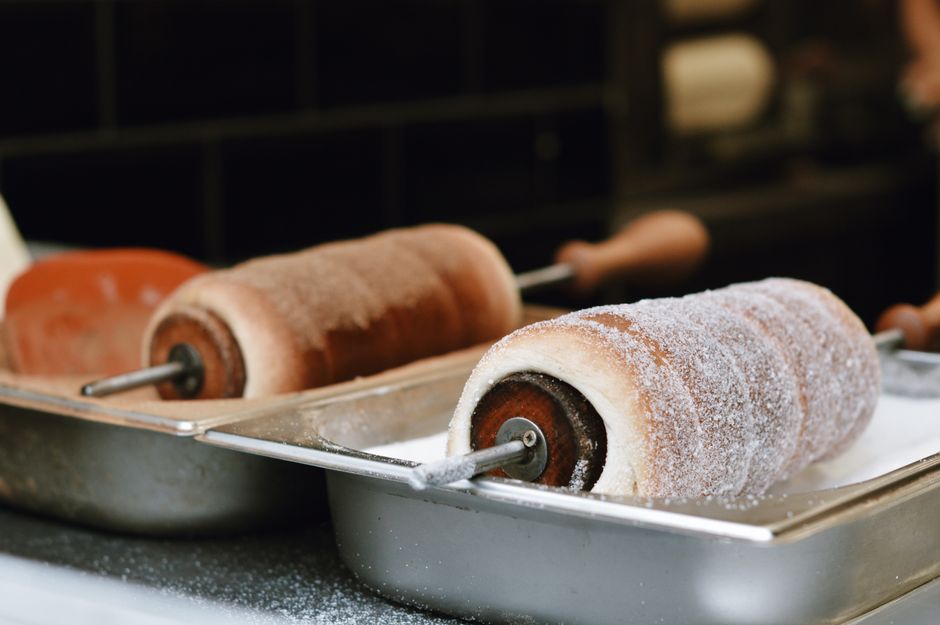
Hungarian food is hearty, flavourful, and largely built on three foundations: paprika (the spice that defines Hungarian cooking), meat (beef and pork especially), and comfort. If you're not familiar with Hungarian cuisine, you're in for pleasant surprises. If you grew up with it, you'll find it exactly as you remember.
Goulash (Gulyás)
Goulash is the national dish—beef slow-cooked in a rich paprika broth with potatoes, onions, and Hungarian caraway. The colour comes from the paprika, not tomatoes. It's comfort food at its finest.
What to expect: A thick, stew-like dish, served in a bowl. Rich, warming, fills you up. The meat is tender (slow-cooked for hours). The broth is flavourful and not at all spicy (paprika adds colour and flavour, not heat, unless it's hot paprika).
Where to find it: Every traditional Hungarian restaurant serves it. Great Market Hall has vendors selling it in bread bowls. Street vendors sell it during festivals. Can't go wrong.
Cost: €8-15 in a restaurant, €3-5 from a street vendor.
Pro tip: Goulash is traditional at lunch, not dinner. Restaurants serving it are usually busier at lunch. Go then if you want the best version.
Verdict: Essential. Try it at least once. If you don't like it, Hungarian food might not be for you, but most people love it.
Pörkölt (Paprika Stew)
Pörkölt is essentially goulash's classier cousin—similar construction but with more meat, less broth, more concentrated flavour. It's often richer and spicier than goulash.
What to expect: A thick stew, beef (or pork), paprika-forward flavour, rich and warming. Less liquid than goulash, more meat ratio.
Where to find it: Traditional Hungarian restaurants, especially in the Jewish Quarter and outer districts.
Cost: €10-16 in a restaurant.
Verdict: Try if you like goulash and want a variation. Not as essential as goulash.
Lángos (Fried Bread)
Lángos is warm, fried bread, usually served with garlic and sour cream. It's street food, it's delicious, it's dangerously easy to eat too much of.
What to expect: Warm fried dough, crispy outside, soft inside, topped with crushed garlic and sour cream (the classic preparation). Sometimes served with cheese or ham. It's indulgent and delicious.
Where to find it: Street vendors everywhere, especially near markets and tourist areas. Great Market Hall has good langos vendors. Festival vendors. Sometimes in restaurants as an appetizer.
Cost: €2-4 from a vendor.
Pro tip: It's best eaten immediately after frying, while still warm and crispy. Cold langos is disappointing.
Verdict: Absolutely essential. This is quintessential Hungarian street food. Eat at least one.
Chimney Cake (Kürtőskalács)
Chimney cake is a pastry spiral, baked on a rotating spit, coated with cinnamon sugar (or other toppings). It's sweet, it's warm, it's everywhere in tourist areas.
What to expect: Warm, flaky pastry, sweet, cinnamon-sugar exterior, hollow inside (you eat the spiral). It's more interesting in texture than taste.
Where to find it: Tourist areas (Fisherman's Bastion, Castle Hill, outside the Parliament). Market stalls. Not really found in non-tourist areas or traditional restaurants.
Cost: €2-4 for one.
Pro tip: It's a tourist thing and it's not traditionally Hungarian (it's originally from Transylvania). It's popular, it's fine to try, but it's not essential Hungarian cuisine.
Verdict: Eat one if you walk past a vendor and you're curious. Not essential. It's more tourist spectacle than authentic food, but it's not bad, just not a priority.
Chicken Paprikash (Paprikás Csirke)
Paprikash is chicken cooked in a paprika cream sauce, usually served with egg noodles (nokedli). It's rich, creamy, comforting, and distinctly Hungarian.
What to expect: Tender chicken in a creamy, paprika-infused sauce. The sauce is the star. Served with noodles or dumplings. Comforting in a way that feels like home cooking, even if it's not your home.
Where to find it: Every traditional Hungarian restaurant serves it. Home cooks make it regularly.
Cost: €12-18 in a restaurant.
Verdict: Essential. Try it. It's delicious and it's genuinely Hungarian (unlike chimney cake).
Langos vs. Chimney Cake (The Distinction)
Langos is savoury (garlic, sour cream), traditional Hungarian street food, eaten as a snack or main course.
Chimney cake is sweet, more of a tourist attraction, lighter, more of a dessert/snack.
Langos is more important to actually try. Chimney cake is more of a novelty.
Fish
Hungarian food isn't particularly known for fish (despite the Danube), but there are some traditional options:
Fogas (pike-perch): A local freshwater fish, delicate, good preparation is key. Usually in nicer restaurants.
Fish soup: A traditional Hungarian dish, made with paprika, various fish, and served with bread. Hearty and flavourful.
Cost: €15-25 for fogas in a good restaurant. Fish soup €8-12.
Verdict: Nice if you like fish, but not essential Hungarian cuisine. The meat dishes are where the tradition really shines.
Desserts Beyond Chimney Cake
Dobos Cake (Dobos-torta): Chocolate sponge cake with caramel topping. Traditional, delicious, usually available in cafés and restaurants.
Flódni: A Jewish-Hungarian pastry with apple, plum, walnut, and poppy seed filling. Very traditional, often available in Jewish Quarter cafés.
Somlói Galuska: A complex dessert (sponge cake, chocolate sauce, caramel, nuts, sometimes whipped cream). Rich and decadent.
All worth trying if you see them. Not as essential as the savoury dishes.
Where to Eat
Traditional restaurants (Vendégló): Casual, local, good food, reasonable prices. Jewish Quarter has excellent options (Kispest, Karpatia, etc.).
Market stalls: Goulash in bread bowls, langos, fresh fruit. Quick and cheap.
Street vendors: Langos, chimney cake, grilled meats. Quick and casual.
Fine dining: Higher-end restaurants do modern Hungarian or refined takes on classics. €25-50 per meal. Worth if you want to experience Hungarian cuisine elevated.
Spices to Know
Paprika (the essential one): Sweet (édes) or hot (erős). Most traditional dishes use sweet paprika. Hot paprika adds heat.
Caraway: Used in goulash and rye bread. Distinctly Hungarian flavour.
Dill: Common in soups and fish dishes.
Sour cream: Almost every dish gets a dollop. It's not optional, it's fundamental.
Drink Pairings
Unicum: A Hungarian herbal liqueur, traditionally drunk as a digestif after heavy meals. Strong and acquired taste, worth trying once.
Tokaji wine: Hungarian sweet wine, from Tokaji region. Genuinely excellent, available in wine bars and restaurants.
Pálinka: A fruit brandy, very strong (40%+ alcohol), traditionally drunk as a shot. Try with caution.
Beer: Hungarian beers are good. Soproni and Borsodi are common brands. Not exceptional but perfectly fine.
Wine: Hungarian wine is underrated. Red wines from Egri Bikavér (Bulls Blood) are worth trying.
The Timing
Lunch is 12-2pm (bigger meal). Dinner is 6-9pm (slightly lighter). Restaurants are busier at these times. If you want less crowded dining, go at odd hours (3-5pm, after 9pm).
The Verdict: What's Essential
Must try:
- Goulash (€3-15, depending on venue)
- Lángos (€2-4)
- Chicken paprikash (€12-18)
Should try if interested:
- Pörkölt
- Fish soup
- Flódni (if in Jewish Quarter)
Nice but not essential:
- Chimney cake
- Fogas
- Dobos cake
Budget wisely: street food (langos, goulash in bread bowls) is €2-5. Restaurants are €12-25 per meal. You can eat very well for €10-15 in traditional restaurants.