 ConciseTravel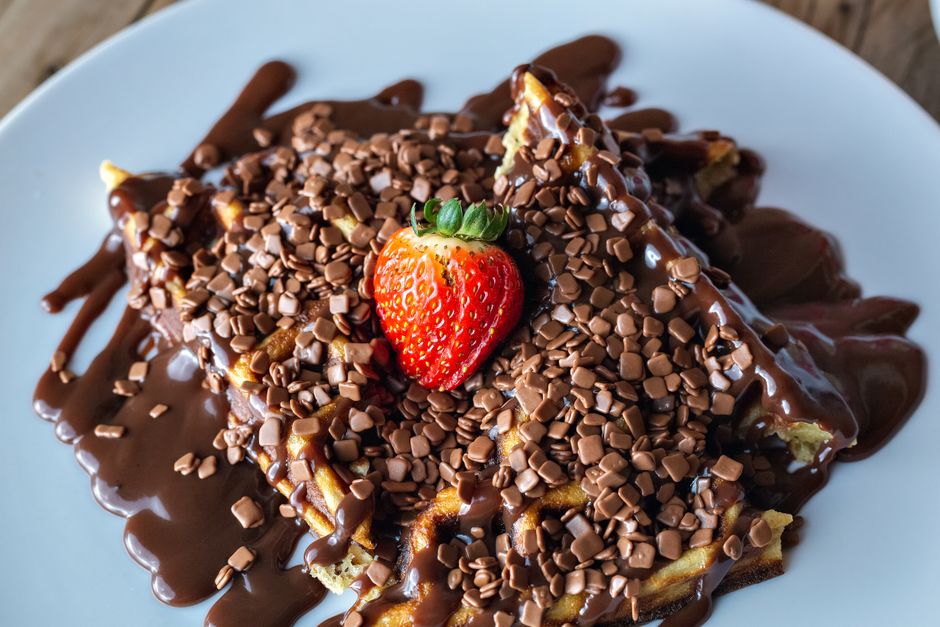
Must-Try Belgian Food in Bruges: Frites, Moules, Waffles, and Stoofvlees
Belgian food has a reputation for being heavy and indulgent. That's accurate, but it misses the point. The food isn't indulgent because Belgians are greedy. It's indulgent because they've spent 500 years perfecting the pleasure of eating together.
In Bruges, that means frites that aren't just potatoes, moules that taste like the sea, waffles that justify their calories, and stews that warm you from inside.
Here's what to eat and where to eat it.
Frites: Not Just Chips
Belgian frites are a cult for a reason. They're not chips. They're not french fries. They're a specific craft: potatoes, cut thick, fried twice (once to cook, once to crisp), salted, served in a paper cone with mayonnaise.
What Makes Them Different
- Double-fried. The first fry cooks them soft. The second fry makes them golden and crisp outside, fluffy inside.
- Thicker cut. Belgian frites are chunkier than French fries. More potato, more texture.
- Better potatoes. Belgians use specific varieties chosen for this purpose.
- The sauce. Mayo is standard. Not ketchup. If you want ketchup, you're eating them wrong.
Where to Get Them
Fritkot classics:
- Any stand that says "frituur" or "friture"
- The best ones are hole-in-the-wall, not the tourist versions
- €3–4 for a medium cone
Stands with character:
- Friet Van Poucke (various locations): Local chain, consistent quality, proper mayo
- Any random frituur in a small street away from the Market Square: Seriously, wander. Find a place with locals buying fries at lunch. That's the one.
Pro tip: Ask for a "Mitraillette" (a fried sandwich with frites and meat inside). It's a classic Bruges lunch that tourists never do.
Moules: When Mussels Peak
"Moules" season (August–April) means fresh mussels from the North Sea. In Bruges, you'll find them prepared simply: steamed in white wine, garlic, and parsley. Or in cream sauce. Or with frites (moules-frites is a complete meal).
The Experience
You'll get a ceramic bowl of steaming mussels. A smaller bowl for shells. Bread for dipping in the broth. It's messy, communal eating at its best.
The broth is the point—salty, aromatic, worth every drop.
Where to Go
Tourist-friendly:
- Any restaurant around the Market Square will have moules
- Quality varies wildly
- Price: €15–20
Local choices:
- Smaller restaurants away from the center
- Look for places with Flemish menus
- Price: €12–16
- Quality is better, atmosphere is more local
Avoid: Anywhere that advertises moules on a big board outside. That's specifically targeting tourists. Go where locals eat.
Best season: September–April. Summer moules can be iffy (water is warmer, mussels spoil faster).
Waffles: The Sweet Truth
Belgian waffles are everywhere in Bruges. Most are tourist traps. Some are genuinely extraordinary.
The Types
Liège waffles: Denser, sweeter, studded with pearl sugar. Eaten as a snack with chocolate or fruit.
Brussels waffles: Lighter, fluffier, rectangular. Served as a dessert with whipped cream and fruit.
Both are legitimate. Both are good when made properly.
The Problem
Most waffles in Bruges are made hours in advance and warmed up. They're dry, dense, and taste like yesterday. Proper waffles are made to order, eaten immediately, still steaming.
Where to Get Real Ones
Look for "vers" (fresh). Some stands make waffles fresh to order. Watch—if they're pulling from a warmer, keep walking.
Ask locals where they get theirs. Seriously. Bruges residents have favorites. You're not finding them on TripAdvisor.
Small stands away from the center. A random frituur near Sint-Jansstraat likely has better waffles than any place on the Market Square.
Price: €3–5 for a genuine, fresh waffle. Tourist trap waffles are €5–8 for worse quality.
Stoofvlees: The Ultimate Comfort
Stoofvlees (Flemish stew) is beef braised in beer, onions, and spices. It's slow-cooked for hours until the meat falls apart. Served with frites and a beer, it's perfection.
What You're Eating
Beef (usually chuck or brisket), braised in a dark beer (often a Trappist or brown ale), with caramelized onions, spices (bay leaf, thyme, maybe ginger), and sometimes a touch of mustard.
The result: meat so tender it dissolves, a sauce rich and complex, warmth that settles in your stomach.
Where to Go
Traditional restaurants:
- Any restaurant listing "Stoofvlees à la Flamande" or "Carbonnade Flamande"
- Usually lunch/dinner menus, €12–18
- Ask for "met frieten" (with frites)
Best places:
- Restaurants in quieter neighborhoods (not the Market Square)
- Places where locals are eating, not tourists
- Look for long-established menus (the ones that haven't changed much)
Timing: Autumn and winter. It's a cold-weather dish. Summer stoofvlees feels wrong.
The Drinks to Pair
Beer: Bruges beer culture is serious. A Brugse Zot or Straffe Hendrik pairs perfectly with any of these foods.
Coffee: After meals, Belgian coffee is excellent. Thick, strong, meant to linger over.
Strategy for Actually Good Food
Avoid the Market Square completely for eating. Every restaurant there is surviving on tourism. The food is fine but expensive.
Walk 5 minutes away from the center. Prices drop 20–30%, quality jumps.
Eat lunch, not dinner. Belgian restaurants do better lunches than dinners (lighter, faster-moving kitchen). Dinner gets pretentious.
Ask your hotel or hostel. Locals know the good spots. A staff member can point you to places tourists don't know.
Eat when Belgians eat. Lunch 12–2pm, dinner 6–8pm. Restaurant quality is highest during those windows.
The Food Philosophy
Belgian food isn't fancy. It's generous. It's meant to be eaten with people you care about, slowly, with beer and bread and good conversation. The dishes are simple—potatoes, beef, mussels, flour—but they're prepared with care.
When you eat this way in Bruges, you're not just eating. You're participating in something centuries old.
Eating in Bruges is half the experience. Skip the tourist restaurants, eat where locals eat, and try the classics. You'll understand Belgium faster through its food than through its museums. Our full Bruges guide covers every restaurant worth visiting, food market, and culinary experience—how to eat like you belong, not like you're visiting.