ConciseTravel
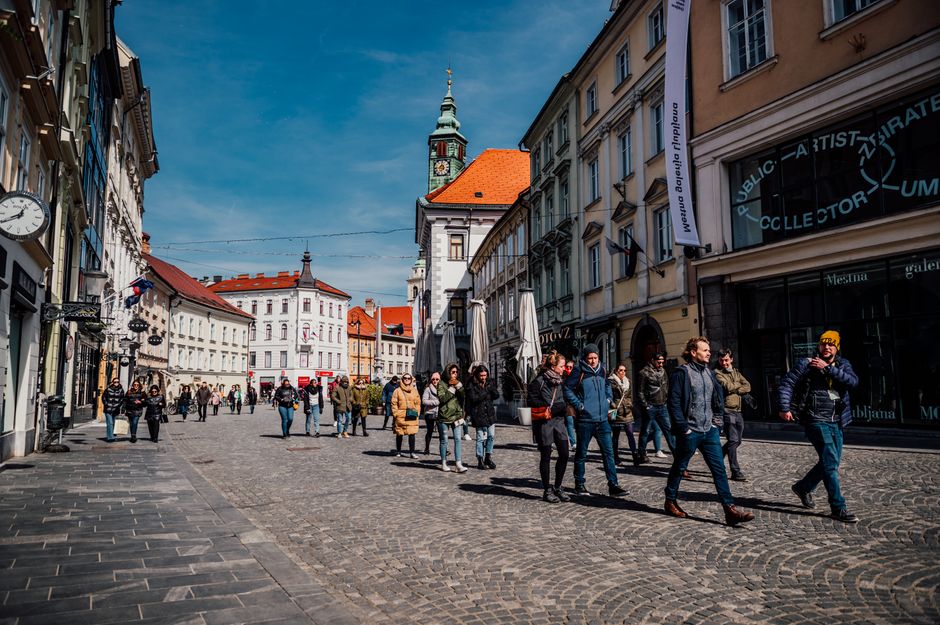
Ljubljana was named European Green Capital by the European Commission in 2016 — a designation it earned through a decade of intentional infrastructure decisions that changed how the city functions physically. For visitors, the most immediate effect is what is not there: cars.
The Car-Free Centre
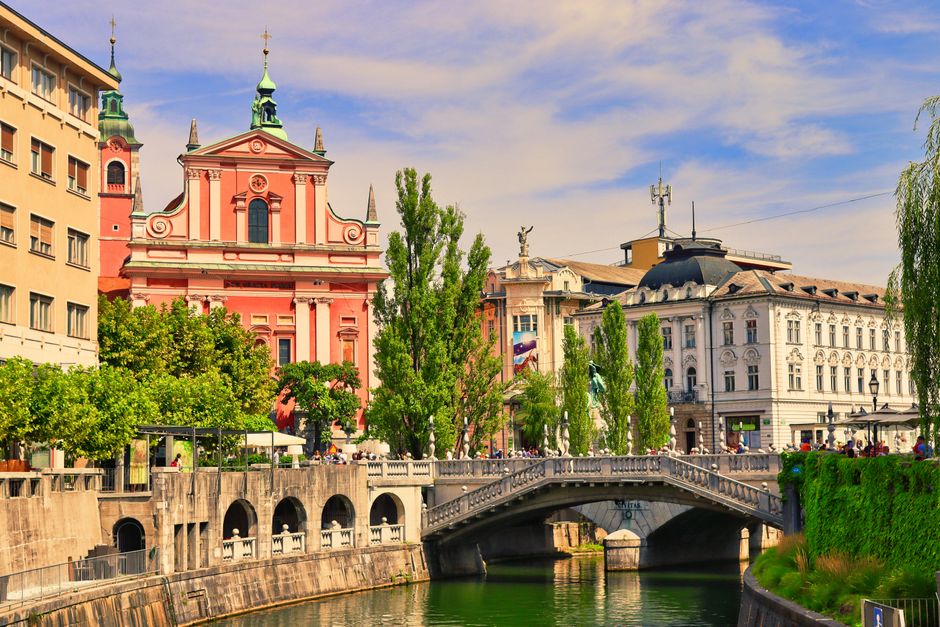
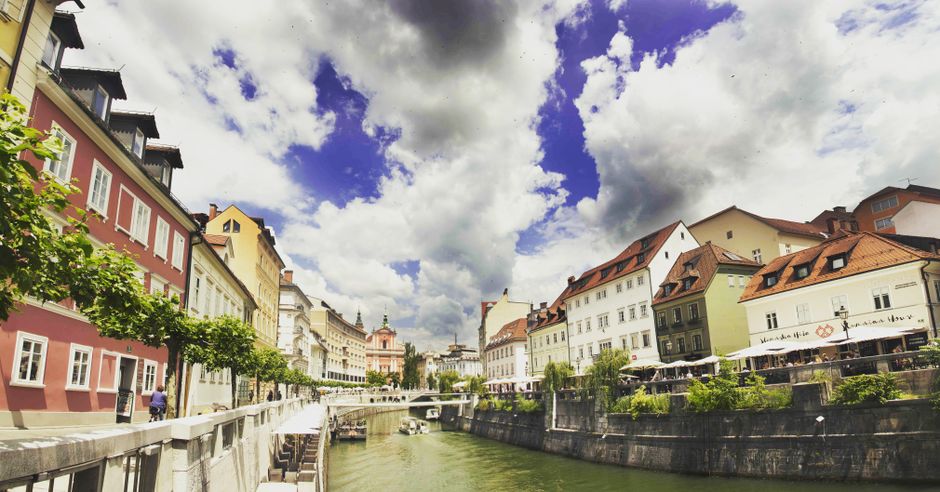
The old town and the area along the Ljubljanica River became progressively car-restricted from 2007, with the final closure of most through-traffic in 2012. The result is a city centre that moves at walking pace, where the loudest sounds on a weekday are conversation and bicycle bells.
Goods delivery happens in the early morning by electric vehicle. Residents with access permits and emergency vehicles use designated routes. Everyone else walks.
This is not an aesthetic choice that happens to be inconvenient in practice — the infrastructure was redesigned around it. The Kavalir electric vehicles (free, on-demand, operated by the city) transport anyone who needs them through the pedestrian zone. Parking was consolidated into structures at the periphery. The cycle network was extended. The Ljubljanica itself was cleaned up — the river is swimmable in summer, something that was not true twenty years ago.
BicikeLJ: The Cycle Hire System
BicikeLJ operates 38 stations across the city with around 370 bikes. Registration is free with a credit card; the first hour is free for each ride. The system is designed for point-to-point trips, not hour-long rentals — you check out at one station and check in at the next.
Coverage extends from the old town to Tivoli, the train station, the museum district, and into the residential neighbourhoods. For day visitors, the practical routes are old town to Tivoli and old town to Metelkova — both under 3 km and on designated cycling paths for most of the distance.
For longer rides (to the Sava River, into the surrounding countryside), day-hire shops near the old town offer standard cycles and e-bikes.
Food Waste and Markets
The Open Kitchen (Odprta Kuhna), running Friday lunchtimes from March to October at the Pogačarjev trg market, explicitly partners with the central market's vendors. Surplus produce from the market goes to the food stalls; food waste from the stalls goes to composting. The circular market economy at a visible, small scale.
The Plečnik market colonnades are not ornamental — they house market traders year-round and provide covered space that keeps the market functional in bad weather, which reduces vendor waste.
Zero Waste Ljubljana
The city operates a zero-waste strategy: in 2012, Ljubljana recycled 55% of municipal waste; by 2019, the figure was over 68%. By Central European standards this is among the highest rates in the region. The practical expression is visible: waste separation bins on every street, a compost collection system, and a repair café network (Repair Café Ljubljana operates out of Rog centre and Metelkova).
Our Take
The car-free centre is Ljubljana's best urban design decision and the reason the city feels the way it does. The sustainability framing is real rather than branding — the infrastructure exists, the systems work, and the river is clean. If you arrived by train (as you should), you have already participated.
Master Ljubljana in Minutes
Don't waste hours planning. Get our condensed, digital cheat sheet with everything you actually need.
Shop Guide on Etsy →