 ConciseTravel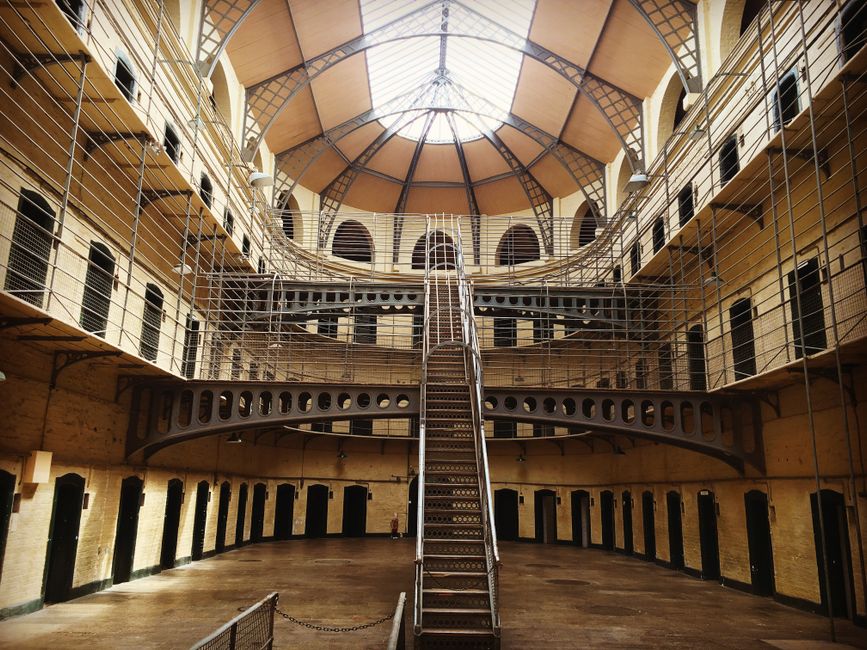
Kilmainham Gaol isn't a tourist attraction that exists for entertainment. It's a political prison where Irish independence figures were held, tortured, and executed. Today it's a museum that's genuinely moving and genuinely important to understanding modern Ireland.
It's also the most significant historical site in Dublin and the one that most viscerally connects you to Irish history. Every tour guide, every Irish person will tell you: book in advance, go, and understand why it matters.
What Kilmainham Gaol Is
A four-storey stone prison built in 1796 on the west side of Dublin. For over 150 years it housed political prisoners—independence activists, rebels, nationalist leaders. The most famous moment: the leaders of the 1916 Easter Rising were court-martialed here and executed in the prison yard.
The prison held around 100 cells on each floor. Conditions were horrific: cold, damp, dark, overcrowded. Prisoners included Michael Collins, Éamon de Valera, James Connolly, and dozens of other independence figures.
Today it's a museum run by the Irish state. The building is preserved as it was, with minimal modernisation. You walk through actual prison cells. You stand in the yard where executions happened. It's heavy and it stays with you.
Why It Matters
Irish independence isn't ancient history. The 1916 Easter Rising was 110 years ago. The War of Independence lasted until 1921. The people who fought it were real—many still have living descendants.
Kilmainham Gaol is where that history crystallized. Visiting it isn't like visiting the Tower of London (interesting, historical, distant). It's more like visiting a Holocaust memorial or a civil rights museum—you're confronting real suffering and real significance.
Irish people take Kilmainham seriously. It's not a casual "nice old building" spot. It's a pilgrimage.
The Experience
Booking: Absolutely essential. Entry is by guided tour only (roughly every 30 minutes during the day). Tours run on a strict schedule. If you don't book, you might wait 2+ hours or be turned away.
Book online at kilmainhamgaoletrust.ie. Tours cost €10 and are limited to 80 people per tour.
Duration: 90 minutes (the guided tour)
What happens:
- You gather in the visitor centre (modern, well-designed)
- A guide (usually knowledgeable, often passionate about the history) takes you through the prison
- You start on the upper floors in the individual cells, then work your way down
- The guide explains the history, points out specific cells where famous prisoners were held
- You end in the yard where the 1916 executions happened—this is the most powerful moment
- 15 minutes free exploration afterward
The tone: Respectful, educational, genuinely moving. Not sensationalized. The guide speaks about real people, real suffering. It doesn't feel like entertainment.
Why You Should Go
If you want to understand modern Ireland: This is essential. Everything about Irish politics, Irish identity, Irish sovereignty traces back to what happened here.
If you're interested in history: It's genuinely moving. The personal stories (prisoners' letters, photographs, objects they left behind) connect you to real people.
If you appreciate courage: The people imprisoned and executed here were fighting for independence against overwhelming odds. Their stories are stories of genuine sacrifice.
If you want authenticity: This isn't packaged tourism. It's a real historical site treated with real respect.
Why You Might Skip It
Time pressure: If you've only got 2 days in Dublin, Trinity and Guinness might take priority.
Emotional weight: Kilmainham is heavy. If you're not interested in history or you find discussions of suffering depressing, it's not a casual visit.
You hate guided tours: The only way to see it is on a guided tour. If you prefer self-directed exploration, this frustrates you.
Getting There
Located on Inchicore Road, about 2km south-west of Temple Bar area.
Options:
- Bus 79 from the city centre (20 minutes)
- Bus 13 from O'Connell Street (15 minutes)
- Taxi (€7-€10)
- Walk from city centre (35-40 minutes)
It's not central, but accessible.
Pro Tips
- Book in advance online: Seriously. Don't rely on walk-ups. Tours book out weeks ahead in summer.
- Aim for a weekday morning tour: Less crowded, easier to see details, better pace.
- Arrive 15 minutes early: The visitor centre has a small museum you can browse before your tour starts.
- Read something about 1916 beforehand: Just a basic overview helps context. You'll appreciate the tour more.
- Take the tour seriously: Phones on silent, listen to the guide. This is important history, not just scenery.
- Expect emotion: People often find the execution yard emotional. That's intentional and appropriate.
- Allow time after: After the tour, walk around the surrounding area. Inchicore has real Dublin neighbourhood character.
- Don't skip the gift shop booklet: It's well-written history summary you can read later. €3, worth it.
Comparison to Other Historical Sites
Tower of London: More famous, more tourist-focused, less emotionally heavy
Versailles: Grand, architectural, historical but more about grandeur than meaning
Holocaust memorials: Similar weight and emotional significance, different history
Civil Rights museums in the US: Similar educational purpose and emotional depth
If you've been moved by visits to places like these, Kilmainham will have the same effect. If you've found them depressing and exhausting, you might feel the same here.
The Real Reason to Go
Kilmainham Gaol grounds you in Irish history and Irish identity. It's where abstract concepts like "independence" and "rebellion" become real human stories. It's where you understand that modern Ireland exists because of specific people who were willing to sacrifice.
Most visitors leave Kilmainham saying it was the most significant thing they did in Dublin. Not the most fun, not the most impressive architecture, but the most meaningful.

