 ConciseTravel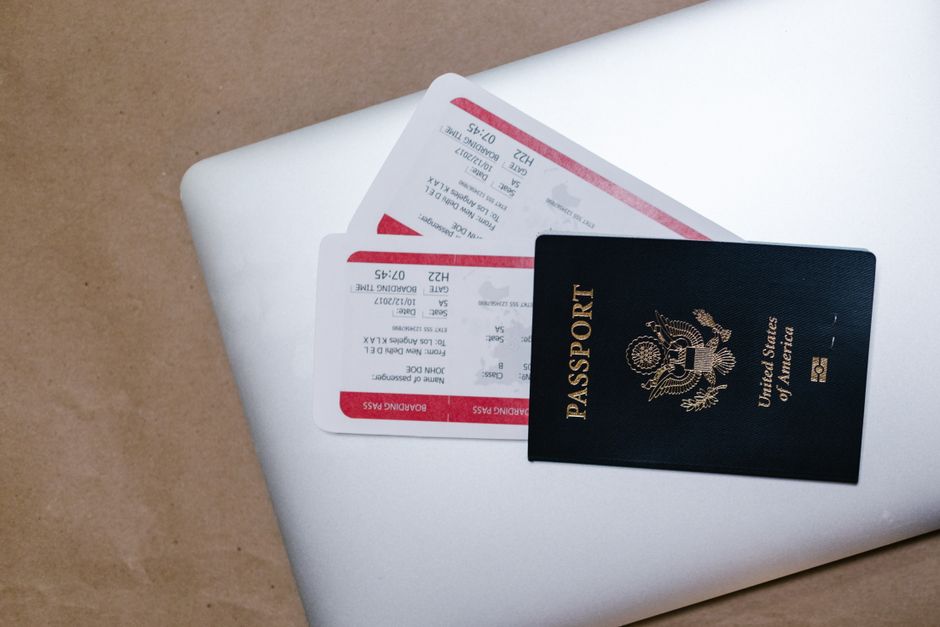
Most people book a city break backwards. They pick dates first, then hunt for a destination, then scramble for a hotel after the flights they wanted are already full. The order you book in changes what you pay, what you get, and how much flexibility you keep. Here is the sequence that works.
Step 1: Pick the Destination
This sounds obvious but it matters more than people give it credit for. Go in with two or three candidates rather than one fixed choice. The reason becomes clear in the next step.
Questions worth answering before committing:
- What is the point of this trip? Rest, culture, food, atmosphere? Different cities deliver different things.
- How far are you willing to travel for a 2-4 day break? A 3-hour flight adds meaningful fatigue to a short trip.
- Are you repeating a destination or going somewhere new? Both are valid but the planning differs.
Step 2: Check Flight Prices With Date Flexibility
Before you lock in anything, open a flexible date search. The same city break can cost dramatically different amounts depending on whether you fly on a Thursday rather than a Friday, or shift the whole trip by one week.
A few things to check:
- Mid-week vs. weekend departure. Friday and Sunday flights carry a premium on almost every short-haul route.
- Half-term and bank holiday proximity. Prices spike sharply in the weeks around school holidays. Even shifting by four days can make a significant difference.
- Multiple airports. If you have more than one airport within reasonable distance, check both. Budget carriers spread routes unevenly.
This step is also where you sometimes switch destination candidates. If City A is twice the price of City B for your preferred dates, and you were equally interested in both, City B wins.
Step 3: Book the Flights
Once you have identified the best date window, book the flights. Do not wait. Short-haul flight prices move upward as the departure approaches, with occasional exceptions in the final days that are not worth gambling on.
Book together if travelling with others. Prices can increase between individual purchases on the same booking.
Step 4: Book Accommodation
With confirmed flight dates in hand, book accommodation. Doing it in this order means you are not locked into a hotel if your flights fall through or change. It also means you know your exact arrival and departure times, which affects which neighbourhood makes sense.
Things that matter more than the listing photos:
- Check-in and check-out times relative to your flight. A hotel that offers late check-out on your departure day is worth paying a small premium for.
- Location relative to how you will spend your time. Two neighbourhoods that look equally central on a map can feel very different in practice.
- Cancellation policy. For a city break, flexible cancellation is almost always worth the small price difference. City breaks are the trips most likely to get disrupted by work or weather.
Step 5: Buy Attraction Tickets in Advance
This step gets skipped most often and costs the most time on the ground.
Major city attractions in popular European destinations now routinely sell out weeks ahead, especially in peak season. Turning up without a ticket does not mean paying at the door. It often means not getting in at all, or joining a same-day queue that consumes half a morning.
Research which attractions need advance booking as soon as accommodation is confirmed. Buy those tickets immediately. Some sell out within hours of becoming available.
The rule of thumb: any attraction that appears in every travel article about that city probably needs a pre-booked slot.
Why Order Matters
The logic behind this sequence is about dependencies and use. Each step opens or closes options for the next one.
Booking accommodation before flights means paying more for both, because your accommodation choice is constrained by dates you can no longer shift. Buying attraction tickets after you arrive means spending trip time managing logistics instead of doing things.
The sequence is not bureaucracy. It is how you keep control.