 ConciseTravel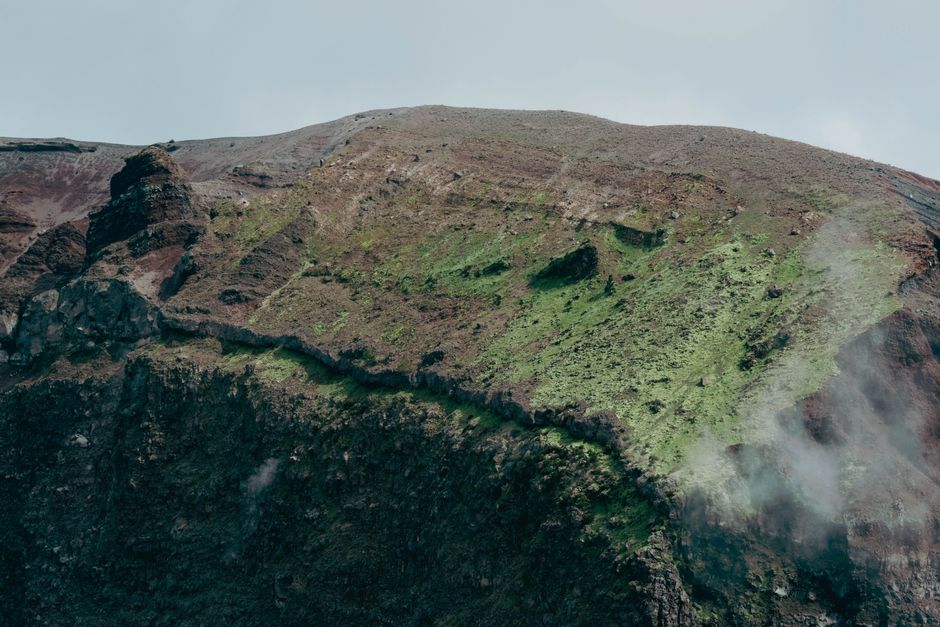
Standing on the rim of the volcano that destroyed Pompeii is genuinely surreal. The crater is active, the views are extraordinary, and you can see Naples, the coast, and Capri from the summit.
It's also a genuine hike – not a casual stroll – and the volcano doesn't care about your fitness level.
Getting to Vesuvius from Naples
By Circumvesuviana: Take the train to "Pompeii Scavi" then switch to the Vesuvius shuttle bus (€3.50). The bus takes 20 minutes climbing to the national park entrance (1,100m elevation).
Alternatively, exit at "Pompeii Villa dei Misteri" and negotiate a taxi (€30-40 shared, or €50-80 private). The taxi actually saves time and frustration.
Viator option: Book a Vesuvius tour from Naples (€50-100) including transport, guide, and entrance. You're paying more but eliminate logistics stress.
The journey is roughly 1.5 hours total from central Naples.
Practical Reality of the Hike
Difficulty: It's moderate. The hike itself is only 30-45 minutes from the parking area to the crater rim. It's steep and rocky, not technical.
Elevation gain: About 300m vertical. Nothing compared to serious mountains, but enough that you'll feel it.
Surface: Volcanic rock and ash. The terrain is rough and unstable. Proper hiking shoes aren't optional – sandals will destroy your feet and you'll slip constantly.
Weather: Vesuvius gets windy and it gets cold at altitude. In winter (November-February), it's actually chilly. Bring a jacket even in summer.
Time needed: 2 hours total (30 minutes up, 30 minutes exploring crater, 30-45 minutes down). More if you're slow or take photos obsessively.
What You Actually See
The crater itself is genuinely impressive – a massive bowl with visible volcanic rock faces and occasional steam vents. It's active (not threatening, but active), so the feeling of standing on a living volcano is genuinely visceral.
The views from the rim are spectacular. On clear days you see Naples, the coast to Sorrento, Capri offshore, and the entire Bay of Naples. Seriously beautiful.
The geology is genuinely interesting – different colored rock layers, pumice deposits, ash. If you vaguely care about volcanology, it's fascinating.
Practical Considerations
Crowds: Vesuvius gets busy. Peak times (10am-2pm) mean dozens of people at the crater. Early morning (before 9am) or late afternoon (after 4pm) is much quieter.
Physical fitness: If you struggle walking uphill, bring it up with guides beforehand. They can often arrange slower-paced routes or suggest alternatives.
Altitude sickness: 1,281m is low enough that altitude sickness is rare, but if you have respiratory issues, mention it beforehand.
Sun exposure: The crater has zero shade. Summer sun is brutal. SPF50 and a hat are mandatory.
Wind: The crater rim gets seriously windy. Loose items blow away. Lightweight jackets are better than heavy ones (easier to manage if wind picks up).
Guided vs Solo
Guides are officially required (not legally, but practically – you need entrance access). You can hire them at the parking area (€20-30 per person for a group). They're informative and worth the cost.
Viator pre-booked guides are more expensive but better English and more personality.
Solo hiking without a guide is technically possible (guides aren't legally mandated, just recommended) but not ideal if you're unsure of the path.
The Emotional Experience
Standing on the crater rim is genuinely striking. The volcano that killed 16,000 people is underneath you. You're standing on active geology.
Some people find it humbling. Some find it exhilarating. It's genuinely an experience.
The views of Naples from above – the city spread below, the coast stretching away – give perspective on the scale of the bay and how close the city actually is to the volcano.
Safety Notes
Vesuvius is monitored constantly. It's not dangerous (volcanologists would close it if it were). But respect it – don't go near cracks or steam vents unnecessarily.
The rock is genuinely unstable. Loose rocks slide underfoot. Walk carefully.
Weather can change. If clouds roll in, visibility drops to nearly zero. Try to go early to maximize clear-day odds.
Combining with Pompeii or Herculaneum
You can do Vesuvius as an afternoon option after Pompeii (morning). Catch the shuttle bus from Pompeii (1.5 hours) and hike Vesuvius in late afternoon. But you'll be tired.
Realistically, dedicate a full day if possible: Vesuvius morning, Pompeii or Herculaneum afternoon.
The Honest Assessment
Vesuvius is worth doing. The hike is brief, the views are extraordinary, and standing on an active volcano is genuinely memorable.
Wear good shoes, bring water and sunscreen, and don't overthink it. It's a 2-hour experience that becomes a 3-4 hour day with transport logistics.


