 ConciseTravel
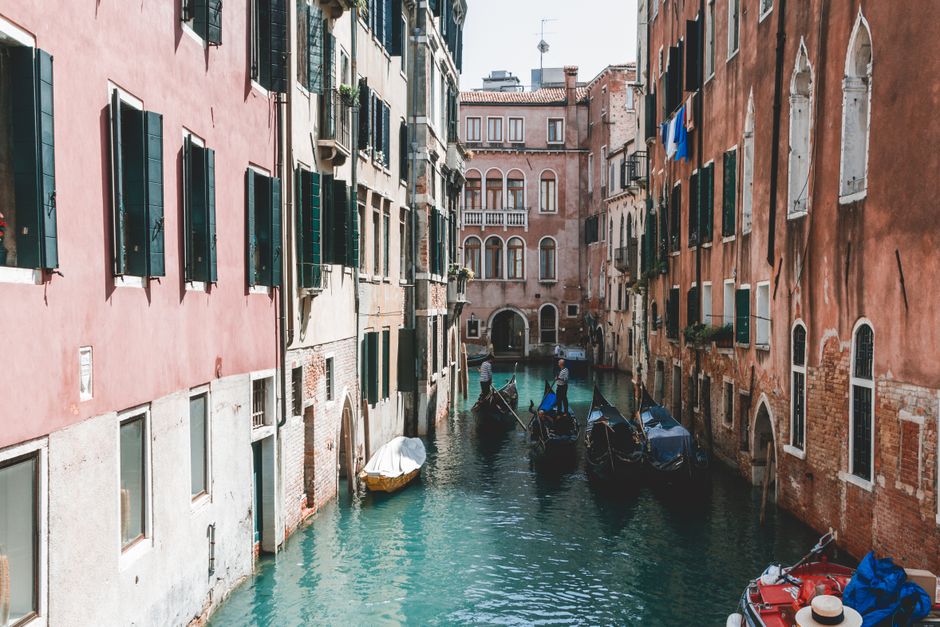
Venice is a city that rewards getting lost. The real thing you're paying for when you visit is the walk — the canals, the bridges, the quiet campos in the early morning before the day-tripper crowds arrive. Most of the actual experience of Venice is free.
Walk the sestieri
Venice divides into six sestieri (districts), and walking between them costs nothing. Each has a different character. Dorsoduro tends to attract artists and students. Cannaregio, to the north, has long residential stretches along the canal that feel genuinely local. Santa Croce is quieter and less visited than it deserves to be. The further you get from San Marco and the Rialto, the better it gets.
The best navigation advice for Venice is simple: put the phone away for stretches at a time. Some of the best things you'll find in this city happen because you took a wrong turn.
The Grand Canal from the bridges
The Grand Canal itself is free to look at. Vaporetto ticket prices have risen sharply, but standing on the Rialto Bridge, the Accademia Bridge, or the Scalzi Bridge near the train station gives you the essential view. The Rialto Bridge view at dawn, before the crowds settle, is one of the best things Venice offers.
Campo Santa Margherita
The best campo in Venice for spending time without spending money. Dorsoduro's main square is broad, relatively traffic-free, and populated by a mix of students, locals, and visitors. Sit on the steps of the well-head in the middle and watch the city operate. This is what Venice actually looks like when it's not performing for tourists.
The Rialto Market
The fish and produce market at the Rialto runs in the mornings until around noon, Tuesday to Saturday. Free to walk through, one of the oldest continuously operating markets in Europe, and a good corrective to the idea that Venice is just a museum. The fish hall in particular, the Pescheria, is a sensory experience. Arrive before 11am.
San Giorgio Maggiore — exterior
The Palladio church on its own island across the basin from San Marco is free to look at from the waterfront. You can take the vaporetto over (which costs money) or simply appreciate it from the Riva degli Schiavoni. The view of San Giorgio across the water at different times of day — dawn, golden hour, at night — is one of the essential Venice compositions.
Zattere waterfront
The long southern promenade in Dorsoduro, running along the Giudecca Canal. Free to walk its full length. Wide, sunny, less crowded than the main tourist route, with views across to Giudecca island. One of the better stretches of Venice for simply sitting and watching boats go by.
Ghetto Ebraico
The Venice Ghetto, the world's first, in Cannaregio. The campo and the surrounding streets are free to walk. The area has significant historical weight and the architecture reflects the unique conditions of its history — buildings that were built tall because the ghetto couldn't expand outward. The Jewish Museum inside has an entry fee; the neighbourhood itself does not.
Arsenale exterior
The vast medieval shipyard that once powered the Venetian navy. The exterior walls and the main gate (the Porta Magna, considered one of the first Renaissance buildings in Venice) are free to view. The interior opens during the Biennale; outside of that, you're walking past one of the most significant industrial heritage sites in Europe for free.
Church facades and campo architecture
Many of Venice's churches charge entry fees for their interiors, but the exteriors and the campos in front of them are free. Campo San Polo (the largest campo in Venice after San Marco), Campo dei Frari, and Campo Santi Giovanni e Paolo all have significant church facades worth seeing at no cost. The equestrian statue of Bartolomeo Colleoni outside Santi Giovanni e Paolo is free to stand next to.
The Jewish Ghetto to Cannaregio walk
One of the quieter walks in Venice: from the Ghetto through the back streets of Cannaregio, ending at the Fondamente Nuove on the northern waterfront. From there you can look across to the cemetery island of San Michele and, beyond it, Murano. No ferry needed — the view from the waterfront is the point.
Giardini Pubblici
Venice's main public gardens in Castello, at the eastern end of the city. Free, largely uncrowded compared to the central sestieri, and a good place to sit down if you've been walking all morning. The gardens host the Biennale pavilions, which are closed outside of the event, but the green space is always accessible.
San Marco Square — on a budget
The square itself costs nothing to walk through. The Basilica is free to enter (though there are queues). The Campanile and the Doge's Palace have entry fees. Early morning or late evening in San Marco, before the tour groups settle in or after they leave, is a different city. It is worth experiencing the square when it's quieter, even if only for twenty minutes.
Practical notes
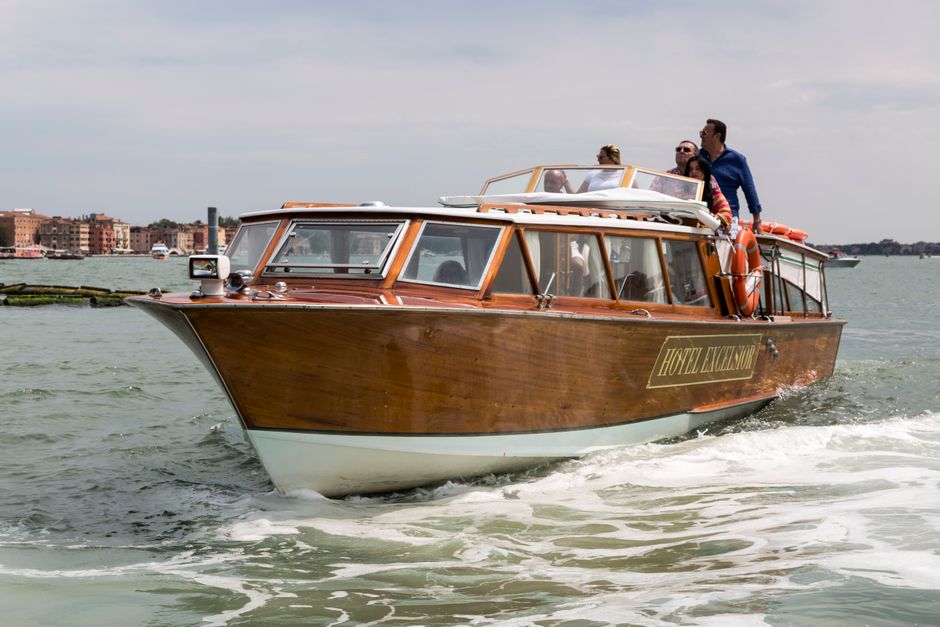
The vaporetto costs money and the prices are high. If your accommodation is in the historical centre, you can do a great deal on foot. The one expense that's genuinely hard to avoid is getting to and from the city — but once you're there, walking is free.
Our Venice city break guide lays out the best walking routes by neighbourhood, what's worth paying for versus what you can skip, and how to get your timings right in a city that rewards early risers.
Master Venice in Minutes
Don't waste hours planning. Get our condensed, digital cheat sheet with everything you actually need.
Shop Guide on Etsy →