ConciseTravel
Dohány Street Synagogue is the largest synagogue in Europe. It's massive, ornate, historically significant, and it sits right in Budapest's Jewish Quarter—one of the best-preserved Jewish neighborhoods in Europe. It's a genuine piece of history and genuinely worth visiting.
What You're Actually Seeing
The synagogue was built in 1859, in an era when Budapest's Jewish community was wealthy, influential, and integrated into city life. The architecture reflects this—it's grand, ornate, Gothic-Moorish Revival style, with twin towers, intricate tilework, and an interior that feels more like a cathedral than a typical synagogue.
The building is genuinely impressive. The interior is ornate without being gaudy. The attention to detail (carved stone, tiles, architectural elements) is evident.
Admission and Practical Details
Cost: 3,500 HUF (about €12) for basic interior admission. The Jewish Museum (attached) adds another 3,500 HUF if you want it.
Hours: Usually 10am-3:30pm Sunday-Thursday, 10am-1:30pm Friday, closed Saturday (Shabbat). Hours change seasonally and occasionally for religious observances, so check ahead.
Time needed: 30-45 minutes inside the main synagogue, another 30 minutes if you do the museum.
Dress code: Modest dress. Men are required to wear a head covering (they provide yarmulkes at the entrance). Women should have covered shoulders and knees. Nothing extreme, just basic respect.
Tours: Official tours in English are available at specific times (usually 11am, 2pm). Tours add about 30 minutes and cost slightly more (included in some packages). Guides are knowledgeable and worth doing if you're interested in the history.
What's Inside
The main sanctuary: Enormous interior, soaring ceiling, ornate details, the Ark (where Torah scrolls are kept), period furniture, impressive windows. It's genuinely beautiful.
The Jewish Museum: Details the history of Hungarian Jewry, Holocaust history (difficult but important), and contemporary Jewish life in Budapest. It's substantial and moving.
The gardens: Outside, a small memorial garden with the "Shoes on the Danube Bank" memorial (though the main one is elsewhere). The gardens are peaceful and contemplative.
The courtyard: You'll see the courtyard as you enter. It's charming, cobblestones, quiet, feels removed from the city despite being surrounded by it.
The Historical Context (Important)
Hungary had a substantial Jewish population (about 800,000 before WWII). Budapest's Jewish Quarter was the cultural heart. The Dohány synagogue was a point of pride and a center of community life.
The Holocaust decimated Hungary's Jewish population. The synagogue survived (the Nazis used parts of it as a stable), but the community was largely destroyed. Today, there's a small but vibrant Jewish community in Budapest.
The synagogue is now a working place of worship, a memorial, and a museum. It's important cultural heritage, not just a tourist attraction. Respectful visiting is essential.
What Makes It Worth Visiting
- Architecture: It's genuinely beautiful and historically important
- Scale: It's massive in a way that photographs don't capture
- Context: Visiting connects you to Hungarian-Jewish history in a way that reading about it doesn't
- Atmosphere: Despite its fame, it's not overrun with tourists (unlike some attractions). It has a contemplative quality.
What Might Disappoint
- The experience is somewhat staged. You're guided through in a specific route, you can't just wander.
- The museum can be heavy. The Holocaust section is difficult (as it should be). If you're not prepared for that, it's harder to enjoy.
- Photography restrictions. You can't photograph inside the main sanctuary (out of respect). You can photograph outside and in some other areas.
- Tour groups. In summer midday, there are groups. Early morning (10-11am) is quieter.
Practical Tips
Book in advance if you want a guided tour. They fill up, especially in summer. Book online through the official website.
Go early morning (10-11am). Fewer groups, quieter atmosphere, better light (if you're photographing the exterior).
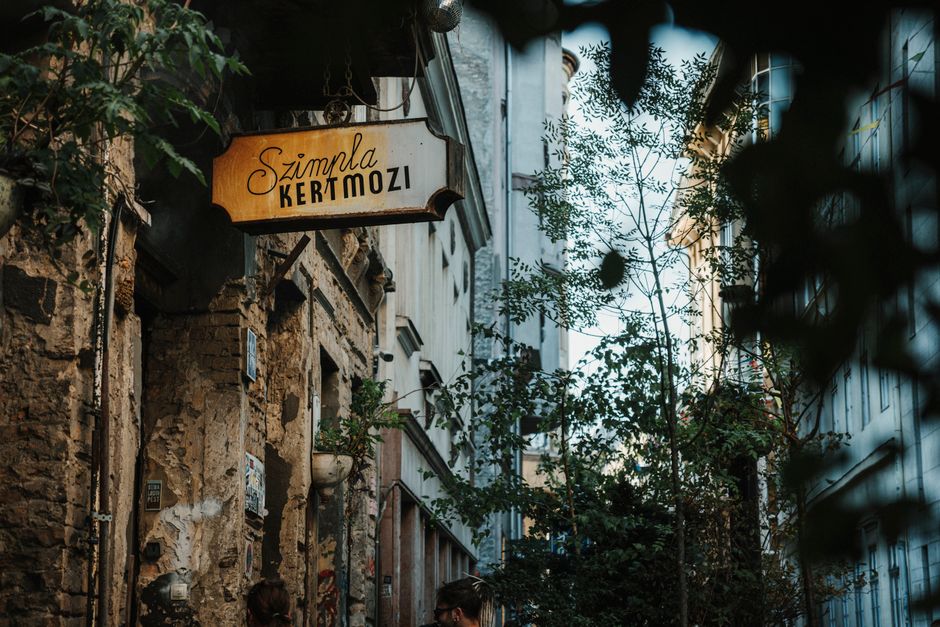
Combine with the rest of the Jewish Quarter. The Dohány synagogue is on Dohány utca, which is in the heart of the Jewish Quarter. Spend an hour at the synagogue, then explore the neighborhood—cafés, galleries, small streets. You get both the history and the living contemporary culture.
Skip the museum if you're rushed. The main synagogue is the important bit. The museum is good but not essential.
Respect the space. It's a working synagogue. There are worshippers there. Be quiet, be respectful, dress appropriately.
Nearby in the Jewish Quarter
Once you've done the synagogue, the whole neighborhood is worth exploring:
- Kazinczy utca (heart of ruin bar scene)
- Dob utca (galleries, cafés, restaurants)
- Small streets with interesting galleries and vintage shops
- Modern Jewish restaurants and cafés
Plan for 2-3 hours in the Jewish Quarter total (Dohány + exploring).
Cost Context
3,500 HUF (€12) is reasonable for what you're getting. It's not cheap, but it's not expensive by tourist attraction standards. The space is genuinely grand.
The Verdict
Dohány Street Synagogue is worth visiting. It's historically significant, architecturally beautiful, and it provides context for understanding Budapest's complex history. Go in the morning, be respectful, and allow time to actually appreciate the space rather than rushing through.
This isn't just a "tourist box to tick"—it's a place with real historical weight and continuing cultural importance.