ConciseTravel
Choosing Where to Stay in Bruges: City Centre vs. Near the Station
You've got two neighborhoods to pick from: the medieval city center, packed with tourists and character, or the quieter area near the train station, with cheaper rooms and fewer swans.
This choice makes or breaks your experience. Here's what each has and who should pick which.
City Centre: The Romantic Gamble
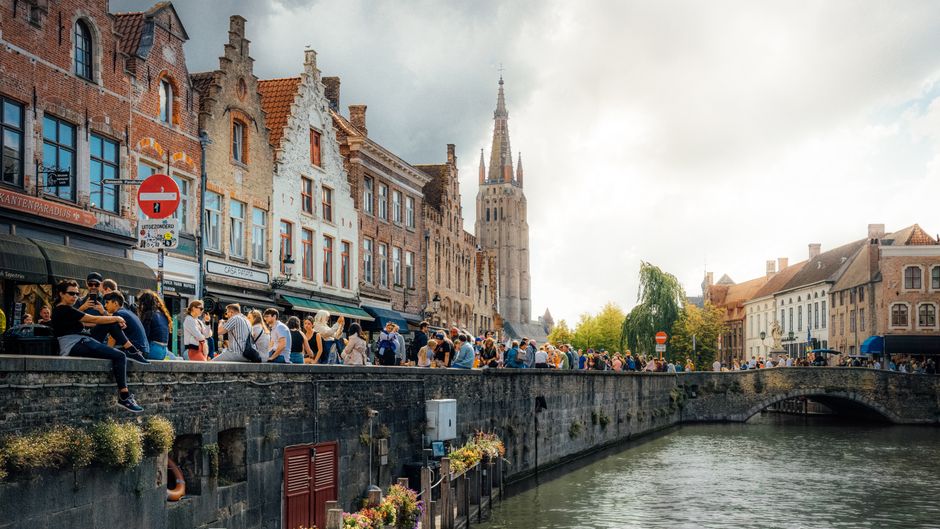
The medieval core is where tourism happens in Bruges. The Market Square, the canals, the belfry, the narrow streets—it's all right there. If you stay in the center, you can stumble out your door and be surrounded by history within seconds.
Pros of City Centre
- You can walk everywhere at any hour. Restaurants, bars, galleries, museums—everything is steps away. Midnight snack? Walk. Golden hour photography? Walk.
- The atmosphere is unmatched. Medieval streets, canal views, church bells, the vibe of a living storybook. This is why people come to Bruges.
- You don't lose daylight to travel. That extra 10 minutes of exploration in the golden hour matters.
- No commute home after dinner. Eat late, drink, enjoy the evening vibe, then stumble back to your room.
- You're in the heart of the action. Yes, that action is mostly other tourists, but the setting is irreplaceable.
Cons of City Centre
- Expensive. Hotels in the medieval core start at €90–120/night for budget options and climb to €200+.
- Loud and touristy. Church bells at 6am. Drunk tourists outside bars until 2am. Braying crowds taking the same Rozenhoedkaai photo.
- Limited late-night quiet. Even the "quiet" medieval streets have groups walking past your window until midnight.
- Smaller rooms. Medieval buildings mean cramped stairs, low ceilings, quirky layouts. Budget for 20–30 square meters.
- No sense of local life. You're living in a museum. Actual Bruges residents live elsewhere.
Best for City Centre
- First-time visitors who want the full Bruges experience.
- Romantic couples prioritizing atmosphere over sleep.
- Photographers chasing golden light and quiet streets early morning.
- People with limited time (1–2 days) who don't want to waste travel time.
Near the Station: The Practical Choice
The train station area is genuinely pleasant. It's just 1–1.5 km south of the medieval core—a 10–15 minute walk—but it feels like a different city. Locals live here. Hotels are cheaper. It's quieter.
Pros of Near the Station
- Significantly cheaper. Budget hotels here run €40–60/night. Mid-range is €70–100. You're saving €40+/night compared to the center.
- Quieter. You'll sleep better. No church bells, no drunk tourists outside your window, no ambient tourism noise.
- Actual neighborhoods. You'll see how real people live in Bruges. Local cafes, shops, residential streets. It's more authentic.
- Easy access to day trips. Trains leave from here for Damme, Ghent, and Antwerp. No extra travel.
- Larger, better-value rooms. Modern hotels here offer 30+ square meters and actual shower stalls.
- Parking is cheaper or included. If you're renting a car, near-station hotels often have free or cheap parking.
Cons of Near the Station
- A 10–15 minute walk to everything. Not a dealbreaker, but it adds up. Three trips to the center per day is 45 minutes of walking.
- You miss the late-night vibe. Restaurants and bars stay open late in the medieval core. By the station, most close by 10pm.
- Less picturesque. Modern buildings, office blocks, the utilitarian feel of station areas. Not Instagram-worthy.
- Fewer hotel options. Fewer rooms means less flexibility and fewer features (no gym, fewer amenities).
Best for Near the Station
- Budget travelers.
- People staying 3+ nights (the walk is repetitive).
- Those who want sleep over ambiance.
- Families (quieter, safer, better value).
- People making day trips to other cities.
The Real Decision: How Long Are You Staying?
1–2 nights in Bruges? Stay in the city centre. You'll want that immersion, and the walk-everywhere convenience justifies the cost.
3+ nights? Near the station. You'll have explored the center by day three, and the quiet + savings matter on night four.
Splitting your stay? One night in the center (when you arrive, want that "wow" moment), then move to the station area for days two and beyond. Some hotels offer reduced rates if you book consecutive nights across multiple properties.
Practical Recommendations by Budget
Budget (under €60/night): Near the station. The medieval center has almost nothing at this price, and what exists is tiny and quirky.
Mid-range (€60–120/night): Pick by vibe. Station area gets you modern comfort and quiet. Center gets you character and location.
Splurge (€120+/night): City centre. If you're paying premium prices, you might as well get the iconic location and walkable convenience.
The Hybrid: Station Hotel, Day Trips
Here's what we often do: book a solid mid-range hotel near the station for €70–90/night, walk into the center each morning, explore by day, and enjoy a quiet evening back at the hotel. You get the financial and sleep benefits of the station area plus full daytime access to the medieval core.
It's the best compromise if you want value, comfort, and experience.
- Image idea 2: Bruges train station exterior (alt text: "Bruges Central Train Station facade")
Either way, you're staying in a small, walkable city. The choice is texture, not accessibility. Book based on your priorities, walk everywhere, and enjoy. Our full Bruges guide covers neighborhoods in detail, listings, restaurants, and everything else you need to plan your stay.