ConciseTravel
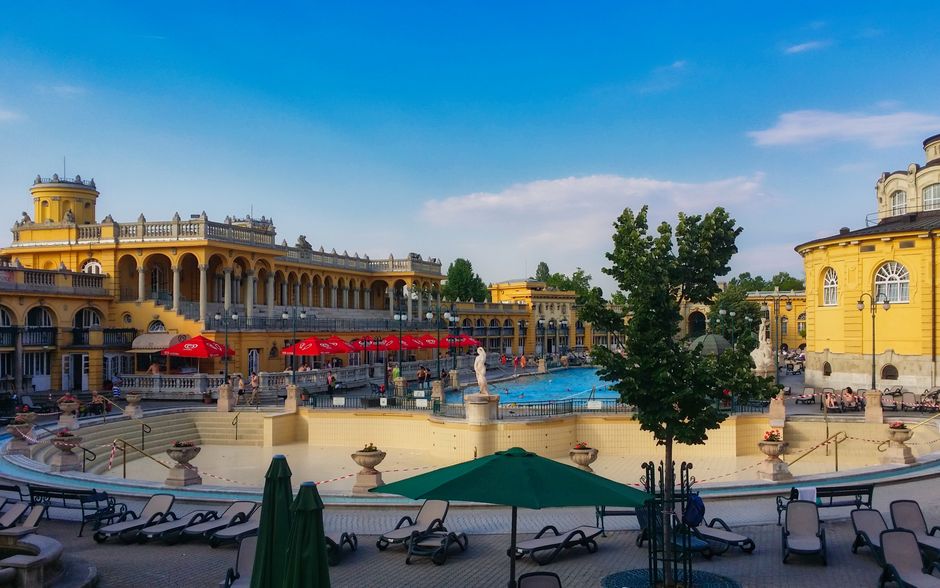
Budapest in February makes more sense than people expect. The thermal baths argument alone is compelling: sitting in 38C geothermal water when it is 2C outside is the kind of experience that converts sceptics. Beyond that, the city's grand architecture, ruin bars, and Central Market Hall are entirely season-proof. Crowds are genuinely thin, Valentine's weekend is not the price spike it is in the more romantically-branded European capitals, and the city rewards properly. February is cold, but Budapest is built for it.
Weather
February averages 0C to 5C, with sub-zero nights possible. Snow happens and occasionally settles. Pack full winter gear: thermal layers, a heavy coat, hat, gloves, and waterproof boots. The outdoor Castle Hill area is exposed and cold; the thermal baths become the natural midday retreat.
Crowds and Prices
This is deep low season. Szechenyi and Gellert Baths are less crowded than summer. The Buda Castle complex, Fisherman's Bastion, and the Hungarian National Museum are all accessible without queues. Hotels and flights are among the year's cheapest. Budget city break pricing is very achievable in February.
What's On
Budapest Carnival runs in the weeks before Lent, with events across the city including markets, parades, and street food. The Opera House season is in full swing and tickets are easier to come by than at other times of year. The baths themselves run evening sessions with occasional pool parties and light shows, particularly at Szechenyi.
One Thing to Watch
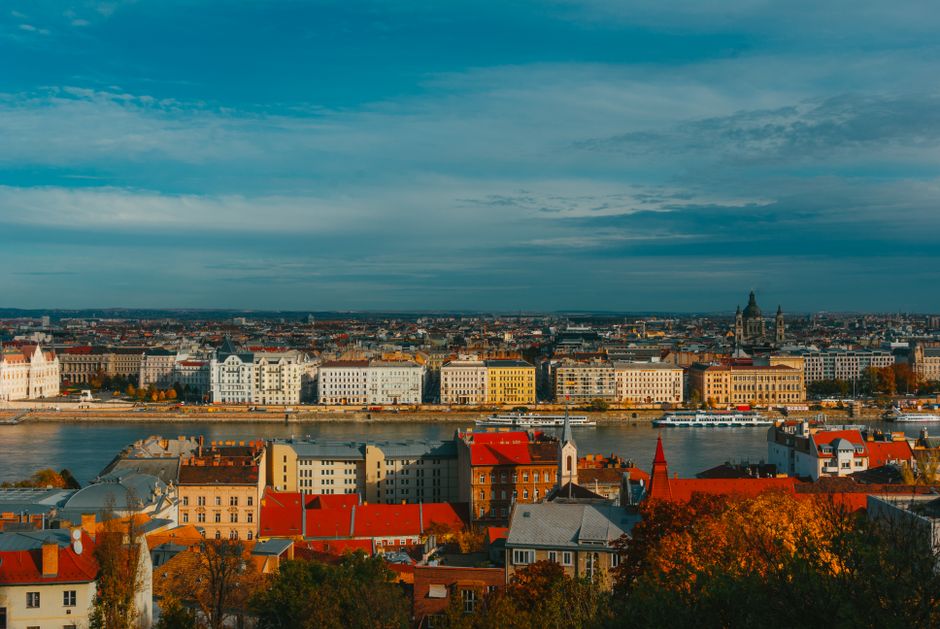
Fisherman's Bastion and the Castle Hill viewpoints, while stunning, are exposed and icy in February. The steps and cobbled paths become slippery when frosted. Take appropriate footwear and be cautious on the descent. The view is worth it, but the conditions demand respect.
The Budapest city guide covers the baths, the city, and everything in between.