ConciseTravel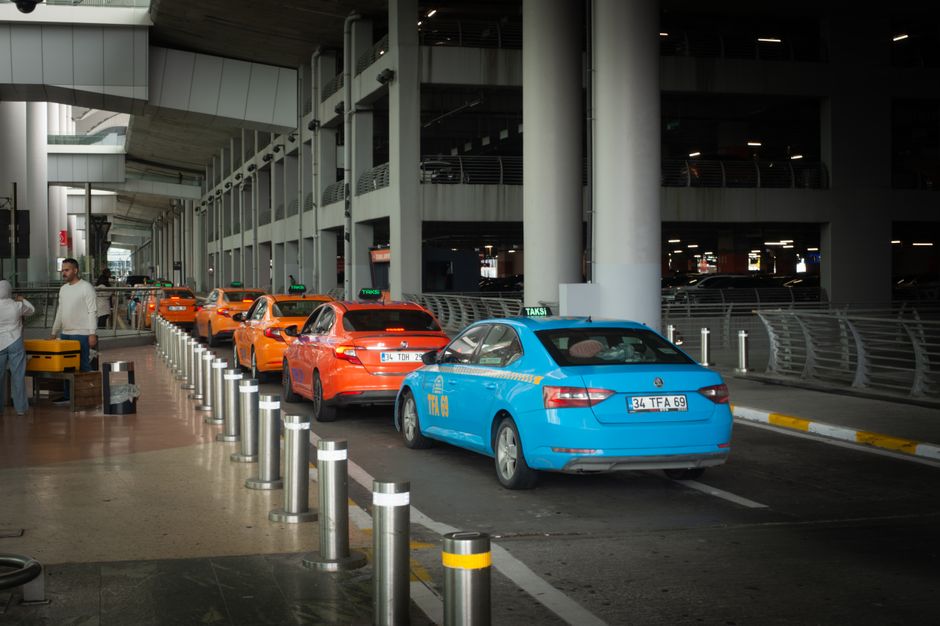
You've landed at Ferenc Liszt International Airport (about 16km southeast of the city centre), and you've got two main options: jump in a taxi or brave the 100E bus. This decision will shape your first Hungarian experience—and frankly, it's more interesting than most airport transfers. Let me break down both options so you can choose without regret.
The 100E Bus: Cheap, Direct, and Actually Civilised
The 100E is the overland workhorse. It runs every 10-20 minutes during peak hours, every 20-30 minutes off-peak, and the journey takes about 35-45 minutes to Deák Ferenc tér (the central hub). A one-way ticket costs around 900 HUF (€3), and you can buy it at the airport from the little kiosk in the arrivals hall—cash or card, no drama.
Here's the honest bit: it's not glamorous. You'll stand. You'll be tired. But you'll be surrounded by real Budapesters, not tourists, and there's something satisfying about nailing the transport system on day one. The bus is modern, air-conditioned, and reliable. It stops at all the major transport interchanges—Deák, Blaha Lujza tér—so if you're staying in Pest, you can hop off and connect to the metro or local buses from there.
The catch? Luggage. If you've got a massive suitcase, the 100E fills up during peak arrivals. You might find yourself playing Tetris with your backpack. Pro tip: don't travel between 7-9am or 4-6pm if you've got heavy bags.
The Taxi: Premium Pricing for Consistency
A licensed taxi from the airport will run you 5,500-7,000 HUF (€18-23) depending on where you're heading. They're waiting outside arrivals, and they're legal. The journey takes about 25-35 minutes if traffic's kind, longer if it isn't (Budapest traffic is unpredictable on weekday mornings).
The advantage here is obvious: you get door-to-door service, no transfers, and you can load all your luggage without negotiation. If you're arriving late at night or you're with a group, the per-person cost can actually rival the bus price. Plus, you get a mini-orientation to the city from a driver who's navigated these streets 10,000 times.
The downside is price inflation for tourists. Some drivers are honest; some see the airport logo on your passport and mentally add 20%. Always ask for an estimate before you get in. If they refuse, get a different taxi.
Ride-Hailing (Uber/Bolt): The Safe Middle Ground
If you want to avoid the taxi meter question entirely, Bolt is massive in Budapest. You can book from the arrivals lounge, the fare is locked in before you confirm, and it's typically 4,500-6,000 HUF. It takes the guesswork out of pricing and the anxiety out of communication.
Bolt is more expensive than the 100E but slightly cheaper than a metered taxi, and you get the comfort of a private car. The downside: surge pricing applies during peak hours, so your 4,500 HUF journey at 11am might cost 6,500 at 8am.
My Call
Solo traveller, daylight arrival, reasonable luggage: 100E bus. It's £3, it's reliable, and you'll feel like you've actually arrived somewhere interesting instead of just transferred through a logistics hub.
Family, heavy bags, or arriving after 8pm: Ride-hailing app. The price difference isn't huge, and you avoid the luggage Tetris and any language concerns.
Group of 3-4: Split a taxi. It comes out cheaper per head and you've got air-conditioning and a story about the driver telling you about his nephew's football prospects.
Practical Details
The 100E departs from a clearly marked bus station outside arrivals. You'll see the signs. The first bus leaves around 4:30am, the last around midnight, so if you're arriving at 3am, you'll need a taxi.
Taxis are metered, but insist on it—there should be a digital display. If the driver won't turn it on, leave. Licensed cabs have a yellow license plate and a phone number.
For Bolt, make sure your app is downloaded before you land (or connect to airport WiFi). The app's in Hungarian, but it's intuitive enough that you'll figure it out.
Getting to Your Hotel From Deák or Blaha
If you take the 100E, you'll arrive at either Deák Ferenc tér (M1, M2, M3 interchange) or Blaha Lujza tér (M2 line). Both are transport hubs. Download the BKK (Budapest public transport) app to navigate from there. It's free, it works offline, and it tells you exactly which metro/tram to catch.
Your first journey sets the tone. Make it count.