ConciseTravel
Bruges Boutique Hotels: Staying in a Historic Building with Canal Views
The fantasy is romantic: a medieval stone building, exposed beams, a window overlooking a canal, morning light on water. The reality is more complicated—but often still worth it.
Bruges is packed with boutique hotels in converted medieval buildings. They're genuinely charming. They're also quirky, sometimes cramped, and occasionally overpriced for what you get. Here's what to know before you book that dreamy room with a "canal view."
The Appeal (and Reality) of Medieval Hotels
Bruges boutique hotels sell atmosphere. A hotel built inside a 15th-century merchant's house, with original floor plans and modern amenities squeezed in, is genuinely special. You're sleeping in actual history.
The catch? Medieval buildings weren't designed for modern hotels. Rooms are small. Ceilings are low. Staircases are steep and narrow. Soundproofing between rooms is often terrible (you'll hear your neighbors' showers).
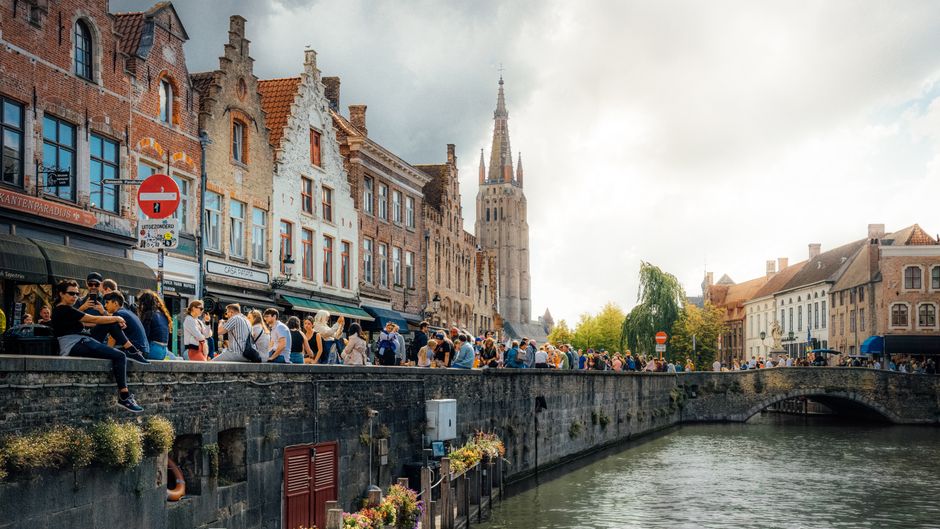
But the ambiance? That's real. Waking up to bells from the belfry and opening your window to a canal lined with willow trees is exactly as romantic as it sounds.
What "Canal View" Actually Means
This matters because hotels use the term creatively.
Direct canal view: Your window overlooks a canal. You see water, boats, the opposite bank. This is rare, expensive (€150–200+/night), and usually facing smaller, quieter canals away from tourist hordes.
Partial canal view: You can see a sliver of canal if you lean out or open shutters fully. Better value than direct view, but honesty check: it's often a stretch.
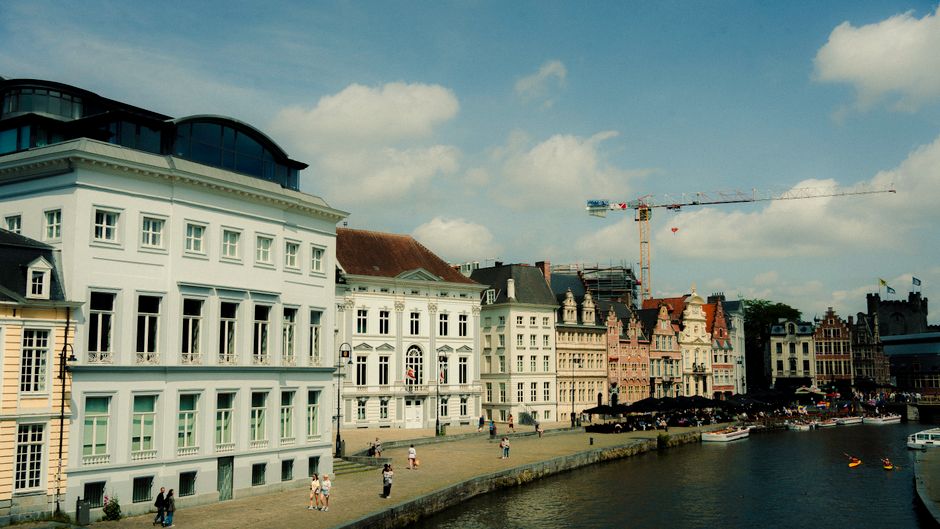
Canal adjacent: The hotel is on a canal, but your specific room doesn't have a view. It might overlook a courtyard or a narrow street. The hotel website shows canal photos, and technically they're accurate, just not of your room.
Read the description carefully. Some hotels list "canal-side location" but 0% of rooms have actual canal views.
Historic Hotel Types: What to Expect
Converted Merchant Houses (Most Common)
- Built 400–600 years ago as homes and businesses
- Narrow facades (16–20 feet wide)
- Rooms are small-to-tiny (15–25 square meters)
- Steep staircases (no elevators, because historic)
- Exposed wooden beams (beautiful, but low ceilings)
- Shared bathrooms in budget rooms, en-suite in mid/high-end
- Walls are thick stone (good for sound, bad for WiFi)
- Floors slope slightly (entirely normal, kind of charming)
- Price: €90–150/night for decent rooms
Renovated Historic Buildings (Better Amenities)
- Same medieval skeleton, but gutted and rebuilt inside
- Higher ceilings (they've removed floors to create space)
- Larger rooms (30–40 square meters)
- Modern bathrooms (rainforest showers, heated floors)
- Still quirky layouts, still historic character, but with actual comfort
- Elevators sometimes squeeze in
- Price: €140–220/night
Historic Hotels with Modern Extensions
- The charming old building is the lobby/reception
- Your actual room is in a modern attached building
- Best of both worlds: character in common areas, comfort in rooms
- Less romantic but more practical
- Price: €120–200/night
The Downsides of Medieval Buildings (Honest Talk)
Noise travels easily. Stone walls are thick, but doors and floors are old. You'll hear footsteps above, conversations through walls, keys rattling at 2am when the drunk guy next door loses his keycard.
Plumbing is a journey. Most medieval hotels have updated water systems, but the pipes are routed through old conduits. Sometimes showers pressure varies. Sometimes water takes a minute to get hot. Sometimes you share a bathroom with the room next door.
Rooms are genuinely small. 18 square meters is not uncommon. That's roughly 6 meters by 3 meters. A bed, a small desk, a compact bathroom. Couples: manageable. Families of three or more: tight.
Stairs, always stairs. Medieval buildings are 4–5 stories tall. Most don't have elevators. If you have mobility issues or heavy luggage, ask specifically about ground-floor rooms (they're rarer and pricier).
WiFi can be spotty. Thick stone walls block signals. Some hotels have compensated with repeaters; others haven't. Bring a mobile hotspot as backup.
Temperature control is odd. Medieval buildings retain heat in summer (no AC in most budget places). In winter, drafts find every seam. High-end boutique hotels address this; budget ones don't always.
Canal Views That Actually Justify the Price
If you're paying extra for a canal view, verify before booking:
- Request a specific room number or at minimum a floor/direction (e.g., "south-facing, second floor").
- Check recent guest photos. TripAdvisor and Booking.com show real views from real guests. If the view looks mediocre, it probably is.
- Zoom in on Google Street View. See the hotel's actual position relative to the canal.
- Ask the hotel directly: "Does this room have an unobstructed view of the canal?" (Not "overlooks the area" or "canal-adjacent"—unobstructed.)
- Know the season. In summer, trees along canals are lush and block views. Spring and fall are clearer.
Worth It vs. Skip It
Boutique hotel canal room is worth it if:
- You're celebrating something special (honeymoon, anniversary).
- You focus on experience and ambiance over comfort.
- You're staying just 1–2 nights (less time noticing the quirks).
- You're okay with small spaces and old-building logistics.
- You can afford €140+/night for genuine charm.
Skip it if:
- You want a spacious, quiet, modern room.
- You have mobility issues or lots of luggage.
- You're staying 3+ nights (the charm wears thin).
- You're sensitive to noise.
- Your budget is under €100/night.
Recommendations by Vibe
Best for Genuine Charm: Properties listed as "17th-century merchant houses" where the interior is partially period-appropriate (exposed beams, stone walls). Mid-range price (€110–160/night).
Best for Comfort + History: Renovated boutique hotels in historic buildings where they've modernized everything (showers, heating, sizing) but kept the original facade and some interior details. Higher price (€150–220/night).
Best for Budget + Character: 3-star hotels in quieter medieval buildings, often further from the Market Square. Less touristy, slightly smaller, €80–110/night.
Booking Strategy
Book directly through the hotel website. Boutique hotels often have better photos, honest descriptions, and the flexibility to upgrade or find you a genuinely good room.
Call the hotel 2–3 weeks before arrival and chat about the room. "I want a view, I'm sensitive to noise, I have a large suitcase"—say it. Good hotels will note it and try to accommodate.
Read recent negative reviews carefully. If multiple guests mention "tiny room" or "noisy," that's real feedback.
Get the cancellation policy in writing. Boutique hotels sometimes have strict terms.
A boutique hotel in Bruges is an experience, not just accommodation. Book wisely, manage expectations, and embrace the quirks. Medieval buildings aren't perfect, but they're rarely boring. Our full Bruges guide covers every neighborhood and accommodation type—use it to find the right hotel for your style and budget.
Master Bruges in Minutes
Don't waste hours planning. Get our condensed, digital cheat sheet with everything you actually need.
Shop Guide on Etsy →