ConciseTravel
Barcelona at Siesta Time: How to Spend 2–5pm When Half the City Closes
The Afternoon Mystery
You're walking through Barcelona at 2:30pm on a Tuesday. The streets are quieter than expected. Shops are closed with metal gates down. Restaurants are empty.
You check your watch. It's the middle of the day. Where is everyone?
They're sleeping. Or eating lunch. Or having coffee. Barcelona doesn't work the same hours as London or New York. This seems like a problem. But it's actually an opportunity if you know how to use it.
What Actually Happens During Siesta
Siesta doesn't mean everyone naps (anymore). That's outdated.
What it does mean:
Lunch Time (1–3pm)
Many people take a proper lunch break. Not 30 minutes, a full 1.5–2 hours.
They eat at home or a restaurant. They take it slow. Some people do go home and nap. Some just eat and relax.
Shops and offices often close during this time.
The Quiet Window (2–5pm)
Fewer people on the streets. Fewer tourists. Fewer crowds.
This is actually peaceful.
Shops Re-opening (5pm onward)
Around 5pm, shops reopen. Cafes fill with people having coffee (gràcia, a small coffee). The city wakes up.
The key insight: Barcelona doesn't have a siesta schedule. It has a lunch schedule. Siesta is a side effect.
How to Actually Use This Time (Instead of Being Frustrated)
Option 1: Sleep
If you're jet-lagged or tired, this is your cue. Go back to your hotel and nap for 1–2 hours. You'll be refreshed for the evening.
Barcelona expects this. It's not lazy; it's civilized.
Option 2: Sit in a Cafe
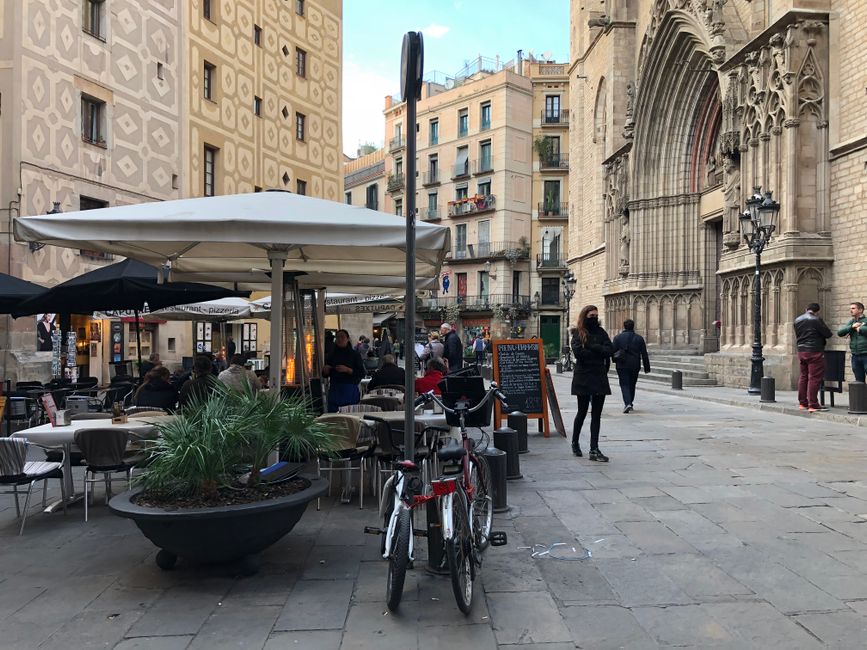
Most cafes stay open during siesta. You can sit at a small table, order a cortado and a pastry, and work or read for 2 hours.
Why this is perfect: You're resting without sleeping. You're people-watching. You're doing what locals do (many locals work nearby and use cafes as quiet spaces).
Cost: €3–5 for a coffee. You can sit for 2–3 hours and nobody will rush you.
Option 3: Visit a Museum
Most museums stay open during siesta. And they're less crowded because tourists think they should be sleeping.
Which museums are good for a 2-hour afternoon visit?
- Picasso Museum (air-conditioned, fascinating, not too big)
- MNAC (art museum on Montjuïc, open, peaceful)
- CosmoCaixa (science museum, interactive, good if you're with kids)
Why this works: You're indoors (cool if it's hot), you're seeing art without crowds, and you're using the quiet time productively.
Option 4: Neighborhood Explore
While everyone else is closed for siesta, neighborhoods are quieter. You can walk slowly, pop into small boutiques (some stay open), browse without pressure.
Best neighborhoods for siesta walks:
- Gràcia (local, calm, beautiful plazas)
- El Born (side streets, boutiques, cafes still open)
- Poble Sec (less touristy, industrial charm)
Option 5: Take a Cooking Class
Some cooking schools offer afternoon classes (2–4pm). You'll learn how to cook a dish, then eat it.
It's a siesta activity that's productive and delicious.
Option 6: Go to the Beach
Most people are sleeping. The beach is quiet. You can actually swim without crowds.
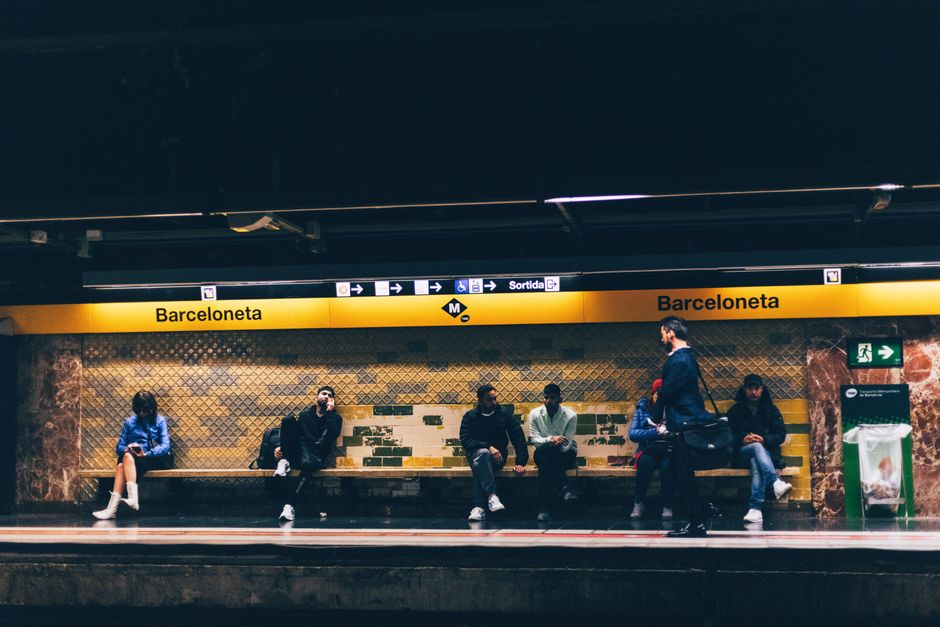
Walk to Barceloneta, swim for 30 minutes, sit under an umbrella, read for an hour. Peaceful.
What NOT to Do During Siesta
Don't:
- Try to do major sightseeing (many attractions have reduced hours)
- Go shopping at small stores (they're closed)
- Expect restaurants to be open (many close 3–5pm)
- Get frustrated that things are closed (this is normal)
- Eat dinner (nobody eats dinner at 5pm in Barcelona)
The Reframe: Siesta Isn't a Problem
Most tourists see siesta as an obstacle. "The city is closed! What do I do?"
Actually, siesta is a feature.
It forces you to slow down. It gives you permission to rest. It prevents you from burning out.
Barcelona is telling you: "Hey, don't try to sightsee 24 hours a day. Rest. Eat well. Pace yourself."
If you fight this rhythm, you'll be exhausted by day 3.
If you embrace it, you'll have a better trip.
The Practical Framework
Early morning (8–1pm): Do major sightseeing (Sagrada Família, Park Güell, etc.). Tackle the big stuff when you're fresh and crowds are light.
Lunch (1–3pm): Eat a proper lunch. This is your main meal.
Siesta (3–5pm): Do one of the above options. Rest, cafe, museum, beach, neighborhood walk. Not sightseeing.
Evening (5–8pm): Explore a neighborhood, have coffee, wander. The city wakes up again.
Dinner (8pm+): Restaurant meal or tapas.
Night: Bar, walk, sleep.
This rhythm keeps you energized for the whole trip instead of burned out by day 3.
The Cultural Context
Siesta isn't laziness. It's recognition that:
- Heat makes midday unpleasant. Barcelona in summer is 28–32°C (82–90°F) at 3pm. Working through that is uncomfortable.
- Lunch is important. Barcelona culture values eating well. Siesta time allows for a proper meal, not a rushed sandwich.
- Rhythm matters. Working 9am–1pm, then 5pm–8pm is sustainable. Working 9am–8pm is not.
- People need rest. This isn't controversial. It's basic human biology.
When you understand this, siesta stops being an annoyance and becomes part of Barcelona's charm.
Bringing It Together
Barcelona's siesta schedule is a feature, not a bug. Use it.
Don't try to sightsee through siesta. Rest, eat, explore quietly. You'll have a better trip and actually feel like you're living in Barcelona instead of checking boxes.
For specific cafes that are great for siesta sitting (with good people-watching), which museums are worthwhile for a 2-hour afternoon visit, and neighborhood recommendations for quiet siesta-time wandering, check out our Barcelona guide's Food, Attractions, and neighborhood sections, they've got the intel to make siesta time productive and restorative.
Master Barcelona in Minutes
Don't waste hours planning. Get our condensed, digital cheat sheet with everything you actually need.
Shop Guide on Etsy →