ConciseTravel
How to Spot (and Avoid) Barcelona Scams: A Traveler's Field Guide
The Rose Seller on Las Ramblas at 2pm
He approaches you with a rose. "For your girlfriend?" he asks, smiling. You're trying to be nice, so you hesitate. He puts the rose in your hand. "It's a gift."
Then he asks for €5. You try to give it back. He says €10. You say no. He gets aggressive. Other "friends" appear. Suddenly, it's €20 or he's calling you disrespectful.
You're now in the position of either paying €20 for a rose you didn't ask for or looking like the asshole in front of your girlfriend and a crowd of tourists.
This is Barcelona's most famous scam. And it's completely avoidable if you know the game.
The Taxonomy of Barcelona Scams
1. The Rose Seller (And Variants)
The Setup: Someone hands you something unsolicited (rose, bracelet, friendship bracelet). "It's a gift."
The Catch: Once it's in your hand, they ask for money. €10–20. If you refuse, they escalate, social pressure, fake aggression, summoning "friends."
Where it happens: Las Ramblas, Plaça Reial, anywhere crowded with tourists.
How to not get trapped:
- Don't accept it. If someone offers you something "free," it's not free. Say "No, gracias" and keep walking.
- If they put it in your hand anyway: Put it directly back in their hands. Don't hold it. Don't engage in the conversation that follows.
- If they escalate: You don't owe them anything. You didn't ask for it. Walk away. They won't follow you.
The psychology: They're betting on your politeness and your embarrassment. Once they've created a social obligation (they gave you something), they use that. Break the obligation immediately by rejecting the item.
2. The Fake Taxi (Unmarked Cab)
The Setup: You're at the airport or train station at night. Someone approaches: "Taxi? Special price for you, my friend."
The Catch: You get in an unmarked car. The "taxi" doesn't use a meter. You end up paying €60 for a €20 ride. Or worse, you're taken to an unsafe area or robbed.
How to not get trapped:
- Only use official taxis. Black and yellow, with a taxi sign on the roof. You can hail them on the street or find them at official taxi ranks.
- Or use an app. Free Now (previously MyTaxi) connects you to licensed cabs and shows the price upfront. Use it. The price is metered and fair (~€30 to central Barcelona).
3. The Overcharge (Restaurant/Bar)
The Setup: You sit at a restaurant on Las Ramblas. Order a beer and a plate of food. The bill arrives: €35. You ordered €15 worth of stuff.
The Catch: The prices are listed with no decimal point (€5 can mean €50), or extra charges appear (bread, "service," water), or the math is just wrong.
How to not get trapped:
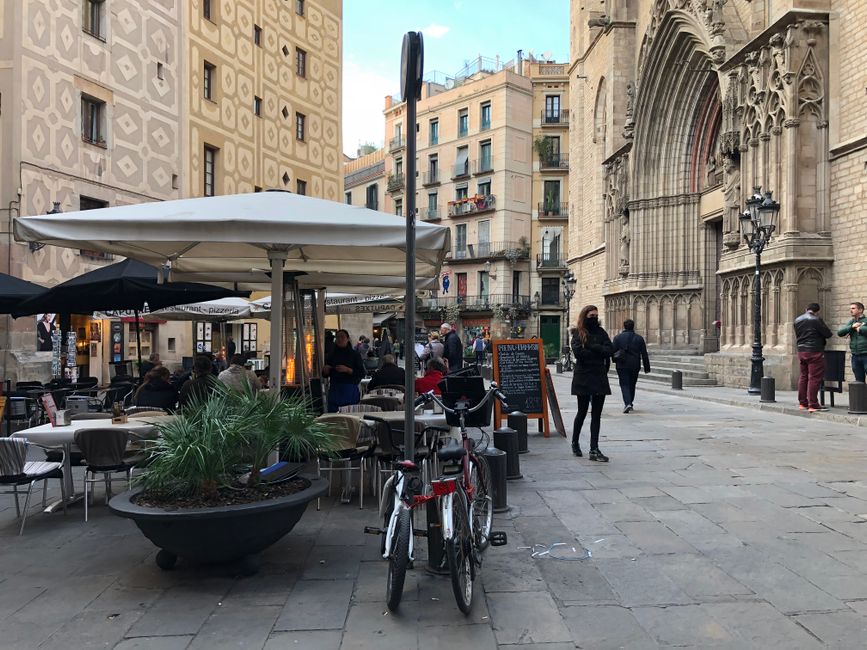
- Avoid Las Ramblas restaurants entirely. Go one block off the main street. Prices drop 50%. Quality goes up.
- Check prices before you order. "¿Cuánto cuesta?" (How much does this cost?) - Ask before ordering.
- Ask for a breakdown if the bill seems high. Most restaurants will show you what you actually ordered. Dishonest ones will get defensive.
- Pay separately if dining with others. "Seperate checks, por favor." Eliminates confusion and math errors.
4. The Fake Ticket Sale (Attractions)
The Setup: Someone approaches you outside Sagrada Família: "Tickets? Cheaper than official price."
The Catch: The ticket is fake. You spend €20 on a fake ticket, get denied entry, miss your time slot.
How to not get trapped:
- Buy tickets online in advance. Go to the official website (sagradafamilia.org for Sagrada). Book your slot. Print or save your confirmation. Done.
- If you must buy at the entrance: Buy directly from the official box office window, not from touts outside.
5. The Friendly "Guide" Who's Not Official
The Setup: Someone approaches: "I'm a local, I'll show you around for just €50."
The Catch: This might be fine, or they might take you to a shop where they get commission and pressure you to buy overpriced stuff.
How to not get trapped:
- Book tours through your hotel or a reputable online platform. (Viator, GetYourGuide).
- If someone approaches you on the street, it's not a professional guide. Professional guides are booked in advance.
6. The Drugged Drink (Club/Bar)
The Setup: You're at a bar. Someone buys you a drink. You drink it. You feel weird.
The Catch: They've spiked your drink with something. Next, they rob you or worse.
How to not get trapped:
- Never accept a drink from a stranger. Ever.
- Keep your drink with you. Don't leave it on the table while you dance or use the bathroom.
- Go out with friends. Watch each other's drinks. If someone leaves, they get a new drink when they return.
- If you feel weird: Tell a friend immediately. Go to a safe place. Call someone.
7. The Fake Metro Ticket Machine
The Setup: A machine that looks like a metro ticket machine, but it's not. You put money in. It eats your money and gives no ticket.
The Catch: You have no proof of payment, and you can't get on the metro.
How to not get trapped:
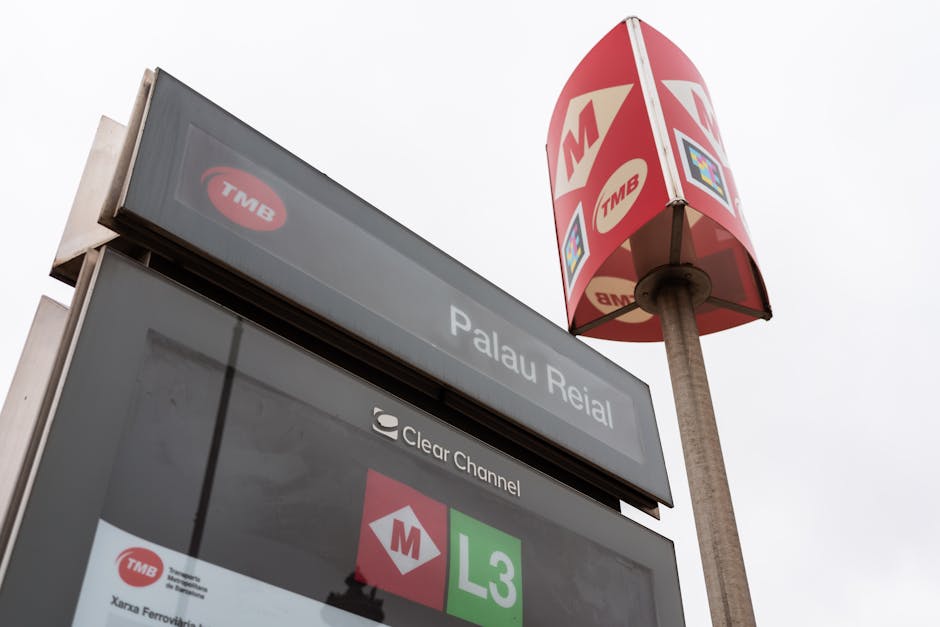
- Use the official machines (they're usually in metro stations, clearly marked with the TMB logo).
- If unsure, go to a ticket window. Talk to a real person. They'll sell you a ticket that actually works.
The Pickpocket Sub-Game: It's Not Really a "Scam," But It's Theft
Pickpockets are different from scammers. They don't interact with you. They just steal.
Where they operate:
- Crowded metro trains (especially Line 3, 9am–1pm)
- Las Ramblas
- Sagrada Família crowds
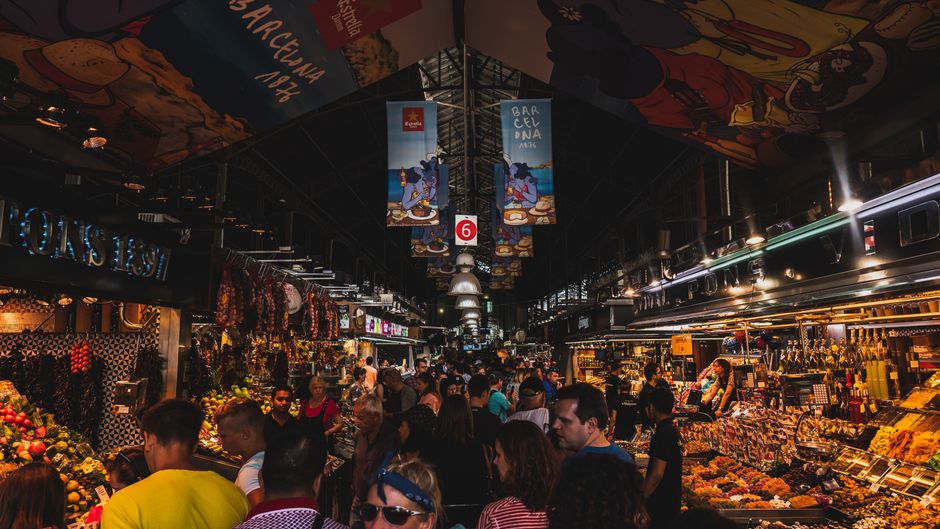
- Markets (La Boqueria)
How to not get targeted:
- Wear your backpack on your front in crowded places.
- Keep your phone in your front pocket, hand on it.
- Don't carry a visible wallet or bulky bag.
- If someone "accidentally" bumps you or creates a distraction (fight, noise, someone falling), pay attention. That's classic pickpocket cover.
The Psychological Defense: Understanding the Scammer Mindset
All of these scams work on the same principle: they exploit your politeness and your embarrassment.
You don't want to be rude. You don't want to look like an asshole in front of others. You don't want to seem paranoid.
Scammers depend on this.
The counter-intuition: Being "impolite" is not actually impolite. Rejecting an unsolicited offer is reasonable. Walking away from a shady situation is smart. Saying "No" firmly and repeatedly is not rude.
Locals do this constantly. They say no. They walk away. They don't engage. They seem cold to outsiders, but they're actually just not vulnerable to scams.
Adopt this mindset: You owe strangers nothing. Your only obligation is to yourself and the people you came with.
The Language Hedge: How to Refuse Politely (But Firmly)
You can decline in Spanish and Catalan without being rude:
- "No, gràcies." (No, thank you) - Firm, Catalan.
- "No, gracias." (No, thank you) - Firm, Spanish.
- "No estoy interesado." (I'm not interested) - Spanish.
- "No, de verdad." (No, really) - Spanish, with emphasis.
Then keep walking. Don't look back. Don't continue the conversation.
The Rule of Three: When to Actually Be Suspicious
If a situation hits three of these criteria, it's probably a scam:
- You didn't ask for it.
- A stranger is trying to convince you of something.
- There's pressure (time limit, price increasing, social embarrassment).
- You're being isolated from other people or officials.
- It involves "special" prices or opportunities.
Hit three of these? Walk away.
Bringing It Together
Barcelona is safe. Violent crime is rare. But petty theft and scams happen because tourists are predictable and generous.
Your defense is simple:
- Think before you accept anything from a stranger.
- Don't reward dishonesty with money.
- Walk away from pressure. Aggressively if needed.
- Book things in advance through official channels.
- If something feels off, it probably is.
For specific neighborhood safety tips, which areas to avoid at night, and which tourist areas are genuinely safe vs. which ones to skip, check out our Barcelona guide's Safety and Health section, it's got the granular intel on reading the room and protecting yourself.
Master Barcelona in Minutes
Don't waste hours planning. Get our condensed, digital cheat sheet with everything you actually need.
Shop Guide on Etsy →