 ConciseTravel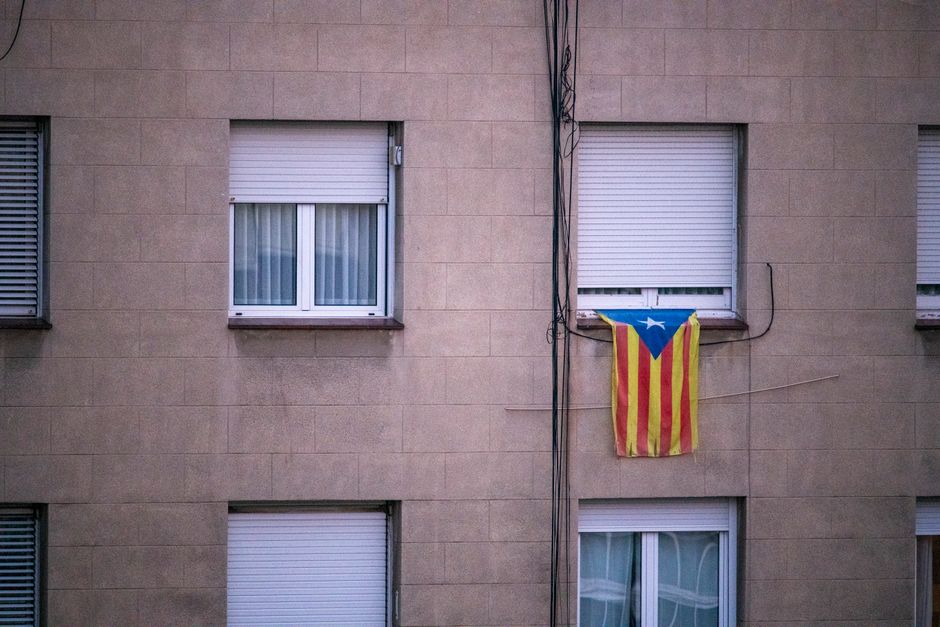
Barcelona's Catalan Identity: What to Know Before You Arrive
The Conversation You Weren't Expecting
You mention to a local that you're visiting Spain. They correct you: "I'm not Spanish. I'm Catalan."
You apologize, thinking you've made a cultural faux pas. And suddenly you're in a debate about politics, language, and national identity, which is the last thing you wanted on vacation.
This happens because Barcelona isn't just a Spanish city. It's a Catalan city. And Catalonia has its own language, culture, history, and (complicated) political situation.
You don't need to understand the politics. But you do need to understand that Catalan identity is real and matters deeply to people here.
The Quick History: Why Catalonia Isn't Just "Part of Spain"
Catalonia had its own kingdom. For centuries, it was independent. Then Spain unified under Ferdinand and Isabella (1469), and Catalonia lost some autonomy.
Then came Franco (1939–1975). During Spain's dictatorship, Franco banned the Catalan language. You couldn't teach it in schools. You couldn't speak it in public. For 36 years, Catalonia was silenced.
When democracy returned (1975), Catalonia started reclaiming its identity. Schools taught Catalan. Street signs appeared in Catalan. Artists, writers, and activists used culture as a voice.
Today, Catalan is co-official with Spanish. Most signs are bilingual (or Catalan-first). Schools teach both languages. It's a living, fought-for language.
The independence movement is modern. Starting around 2010, more Catalan people began asking: "Why are we part of Spain?" A 2017 independence referendum happened (it's complicated legally). Since then, it's been a divisive political issue.
Bottom line: Catalan identity isn't nostalgia. It's lived, daily, and meaningful to people who call themselves Catalan first.
What You'll See (And What It Means)
The Language
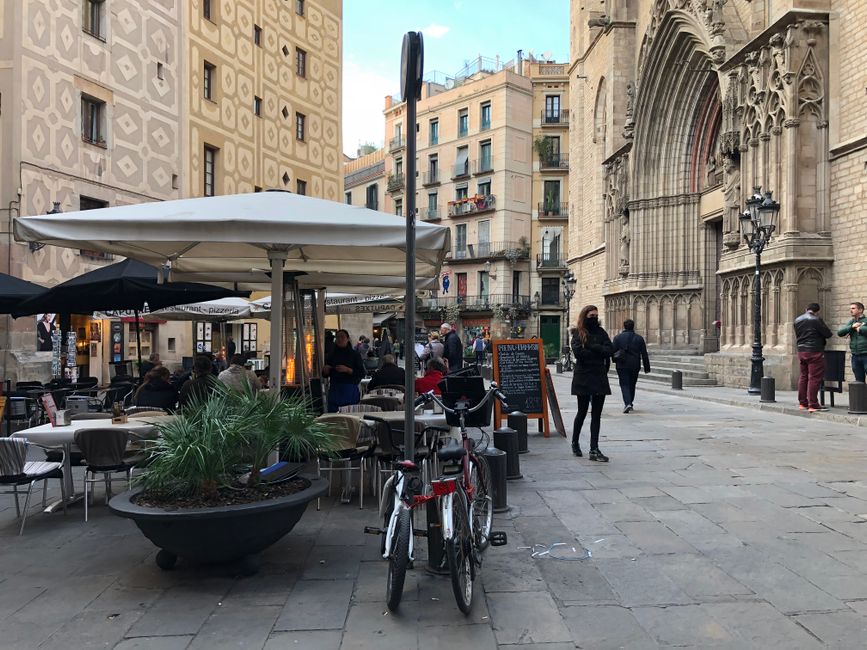
Street signs: You'll see "Carrer de..." (Catalan) instead of "Calle de..." (Spanish). Both might appear, but Catalan often comes first.
In shops/cafes: Some staff will greet you in Catalan first. "Bon dia" instead of "Buenos días." It's not exclusionary, they'll switch to Spanish or English if needed. It's just their default.
What not to do: Don't complain that "they're speaking Spanish wrong" or joke that Catalan is "a Spanish dialect." It's a separate language with its own rules, literature, and identity. Locals are proud of it.
What to do: Learning a few Catalan phrases goes a long way. "Hola, bon dia" (hello, good day), "Gràcies" (thank you), "Merci" (please). You'll get smiles.
The Flags
The Catalan flag (Senyera): Red and yellow horizontal stripes, plus a crown of four bars in the upper left. You'll see it everywhere, on buildings, windows, stickers, worn as scarves.
The Catalan independence flag (Estelada): Same as above, but with a white star on a blue triangle. You'll see this less frequently, but it is the independence movement.
What it means: Both flags are expressions of identity and pride. The Estelada is political, but it's not hate. It's hope (the word "estelada" means "starred" in Catalan).
What not to do: Don't photograph people's flags and mock them online. Don't say "oh, they're rebels." Respect that this is meaningful identity expression.
The Holidays
La Mercè (September 24): Barcelona's major festival. It's chaotic and amazing and very Catalan.
Sant Jordi (April 23): Catalonia's version of Valentine's Day meets World Book Day. People exchange books and roses. It's romantic and literary.
Castellers (Human towers): Throughout the year (especially September), you might see "castells", people forming human towers. It's a Catalan tradition dating back centuries. If you see one forming, stop and watch. It's extraordinary.
The Political Situation (And How to Not Accidentally Offend Someone)
The simple version: Some Catalans want independence. Some don't. It's divided roughly 50/50, depending on who you ask.
Why people bring it up: Because it's current. It's not historical. There are ongoing court cases, political debates, and emotional investment.
What to avoid:
- Don't ask locals: "So, are you guys going to become independent?" (It's like asking someone about their divorce proceedings.)
- Don't make jokes about it.
- Don't express strong political opinions unless someone brings it up first.
- Don't assume everyone's on the same side.
What's safe to acknowledge:
- "I understand Catalonia has its own identity and language."
- "I respect that this is important to people here."
- If someone brings it up, listen. Don't debate. People who live this care deeply.
The reality: Most tourists never have this conversation. You'll eat, see sights, enjoy yourself, and never hear about politics. But if you do interact with locals and the topic comes up, respect it.
Things Locals Actually Care About (Besides Independence)
Language Preservation
Catalan isn't dead, but it's constantly threatened (by Spanish, by English, by globalization). Locals care about keeping it alive. Teaching kids Catalan, writing books in Catalan, using it in daily life, this is active, not nostalgic.
La Diada (September 11)
It commemorates a military defeat in 1714 (when Catalonia lost autonomy). Today it's a massive pro-independence rally. If you're visiting on September 11, expect crowds and visible political expression.
Catalan Culture (Beyond Language)
Food, music, traditions, art. These aren't "Spanish with a twist." They're distinctly Catalan. Respecting this means acknowledging that Barcelona's culture isn't interchangeable with Madrid's or Seville's.
How to Engage Respectfully
Learn a Few Catalan Phrases
It takes 5 minutes and means a lot:
- "Hola" - Hello
- "Bon dia" - Good day
- "Gràcies" - Thank you
- "Merci" - Please
- "Adéu" - Goodbye
Notice the Details
Street names, shop signs, cultural events, all are expressions of identity. Noticing and respecting them costs you nothing.
Ask Questions (With Respect)
If you meet a local, asking "What does Catalan independence mean to you?" is legitimate curiosity. Asking it with genuine interest (not mockery) will get you a thoughtful answer.
Eat and Celebrate Catalan Culture
Try pa amb tomàquet (Catalan bread with tomato), drink cava (Catalan sparkling wine), visit festivals. Engaging with culture is respectful.
The Practical Impact on Your Visit
Will language be a barrier? No. Barcelona is a major tourist city. Everyone in tourism (hotels, restaurants, tours, shops) speaks English.
Will you feel unwelcome if you don't speak Catalan? No. Locals understand tourists don't speak it.
Will you accidentally offend someone? Unlikely, unless you're actively rude. Catalans are used to tourists not understanding their culture.
Should you feel guilty? Absolutely not. You're a visitor. Just be respectful and curious.
Bringing It Together
Barcelona is Catalan. That's not trivia, it's the foundation of the city's identity. Understanding this context makes your visit richer. You're not just visiting a Spanish city; you're visiting a place with its own language, history, and culture.
Respect it. Learn a few words. Notice the flags and signs. If someone brings up independence, listen without judgment.
For deeper context on Catalan history, current cultural events happening during your visit, and how language impacts daily life in neighborhoods you'll explore, check out our Barcelona guide's Introduction and Local Etiquette & Customs sections, they've got the cultural framework that makes Barcelona make sense.
Master Barcelona in Minutes
Don't waste hours planning. Get our condensed, digital cheat sheet with everything you actually need.
Shop Guide on Etsy →