ConciseTravel
Barcelona in 24 vs. 48 vs. 72 Hours: The Energy Pacing Framework
Why Most Barcelona Itineraries Are Exhausting
You've seen them. "Perfect 48 Hours in Barcelona." It lists:
- Sagrada Família (9am)
- Park Güell (11:30am)
- Lunch (1pm)
- Gothic Quarter (3pm)
- Montjuïc (5pm)
- Dinner (8pm)
- Nightlife (11pm)
On paper, it looks efficient. In reality, you'll spend 40% of your time moving between places, you'll be hot and tired by 5pm, and by the end you'll have seen Barcelona but not felt it.
Here's the insight: Barcelona doesn't need a packed itinerary. It needs rhythm.
The Pacing Principle: Layering, Not Listing
Instead of "things to do," think in layers:
Layer 1 (Movement): Where are you? How do you get to the next place?
Layer 2 (Attraction): What's the one thing you actually must see here?
Layer 3 (Food/Rest): Where are you sitting down, eating, recharging?
Layer 4 (Vibe): What's the emotional tone right now?
A good day in Barcelona isn't about checking 6 boxes. It's about 2–3 good boxes, with intentional rest in between.
24 Hours: The Survival Strategy
You're arriving in the morning and leaving the next morning. Minimum time. Maximum regret if you plan wrong.
Goal: See one iconic sight, eat well, feel like you touched Barcelona.
Morning (9am–12pm)
Location: Passeig de Gràcia / Eixample
The move: Arrive at your hotel, drop bags, shower if possible. Metro to Passeig de Gràcia.
The sight: Casa Batlló and Casa Milà are on the same street. Walk between them (10 minutes). You don't need to enter them (expensive). Just see the facades. Take photos. Understand Gaudí's aesthetic. 45 minutes total.
Why this works: You're awake, it's cool, you see beautiful buildings without overcommitting time. And you've already seen the thing most people travel to Barcelona for (Gaudí).
The reality: You're not going to see everything. You're here for 24 hours. The goal is something real that sticks with you.
Midday (12–3pm)
Location: Passeig de Gràcia / Eixample → Gothic Quarter
The move: Walk from Passeig de Gràcia toward Plaça de Catalunya (15 minutes). Arrive hungry.
The food: Sit down at a restaurant near Plaça de Catalunya. Order the menú del día if it's weekday lunch. Eat slowly. Drink wine. Stay for 1.5 hours.
Why this works: You're eating the meal Barcelona does best (the long lunch). You're not rushing. This is the experience of Barcelona, not just the sights.
Afternoon (3–6pm)
Location: Gothic Quarter → Montjuïc
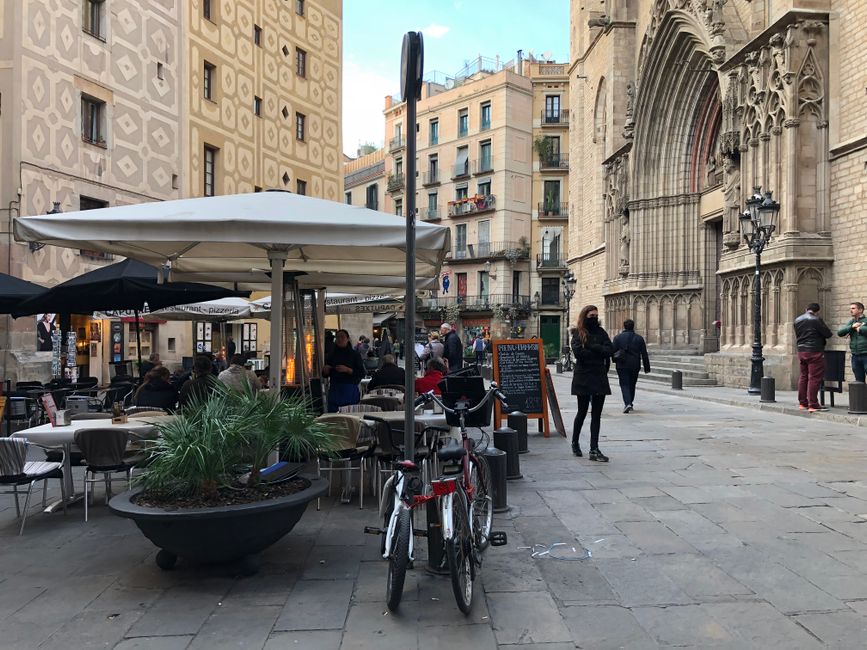
The move: Walk from your lunch spot into the Gothic Quarter (5 minutes). Wander slowly. Get intentionally lost. 45 minutes max.
The sight: Barcelona Cathedral. Beautiful, quick, central. 30 minutes.
Optional: If you have energy, take the metro to Montjuïc (10 minutes). Take the cable car up (views are worth it). Walk around the top. The Magic Fountain is worth seeing if it's on (check times beforehand). 1.5 hours.
Why this works: You're alternating between walking/exploring and sitting/resting. You're not burning out.
Evening (6pm–bedtime)
Location: Wherever you are
The move: Get back to your hotel area. You're tired. Don't fight it.
The food: Dinner is light. Tapas bar near your hotel. One plate, one drink, 45 minutes. Don't overcommit.
Nightlife: If you have energy, find a bar in El Born or the Gothic Quarter. One drink. Chat with locals or your travel companion. Leave by 11pm. You need sleep.
The Math
- Gaudí buildings: 1 hour
- Lunch: 1.5 hours
- Gothic Quarter: 1 hour
- Montjuïc: 1.5 hours
- Dinner: 45 minutes
- Bar: 1 hour
- Total "activity" time: 7.25 hours over 24 hours
- Rest/transport/wandering: 16.75 hours
This doesn't feel like you're doing "everything." It feels like you're in Barcelona and experiencing it.
48 Hours: The Comfort Window
Two days. Enough time to see the main sights without burning out. Enough time to eat well.
Day 1
- Morning: Gaudí buildings (Passeig de Gràcia). 1 hour walking.
- Midday: Walk to Plaça de Catalunya. Lunch at a restaurant. 1.5 hours eating.
- Afternoon: Option 1 - Gothic Quarter + Barcelona Cathedral (1.5 hours). Option 2 - El Born neighborhood, wander, find a cafe, sit for 1 hour. Pick one, not both.
- Evening: Dinner. Tapas bar. Wine. 1.5 hours.
- Night: Bar or beach walk. 1 hour.
Day 2
Morning: Early, before crowds. Either:
- Sagrada Família (book online, go early, 2 hours inside + wait time) + coffee after.
- OR Park Güell (book online, go early, 1.5 hours) + coffee.
Pick one, not both. (If you try to do both, you'll hate yourself by noon.)
Midday: You're on the north side of the city. Lunch in Gràcia neighborhood (local, calm, great restaurants). 1.5 hours.
Afternoon: Montjuïc (cable car + walking + Magic Fountain if evening). 2 hours.
Evening: Dinner near your hotel. An actual restaurant, not a chain. 1.5 hours.
Night: If you're not exhausted, one more bar. Otherwise, sleep.
The Alternative Day 2
If you don't care about Sagrada Família or Park Güell:
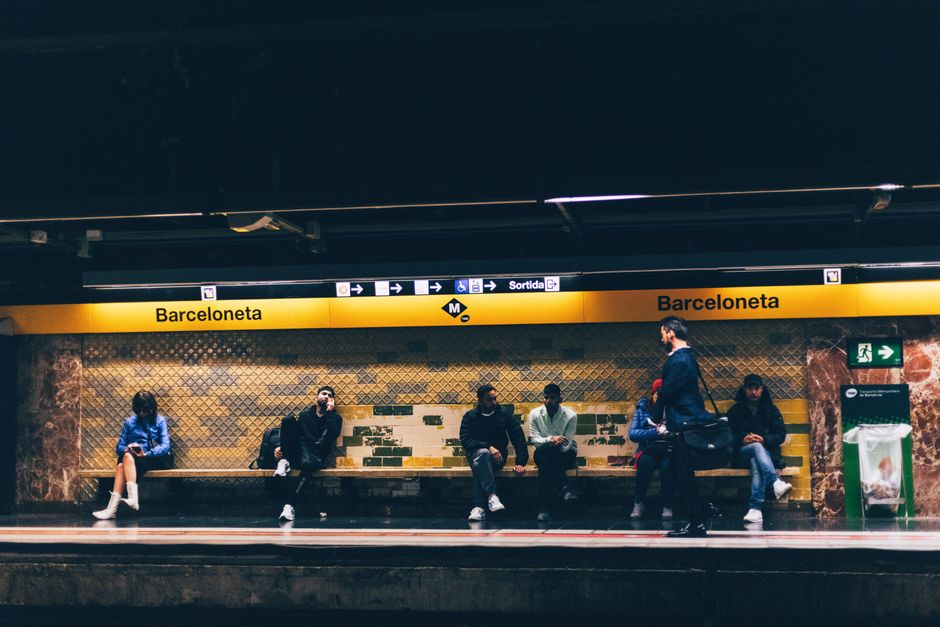
- Morning: Beach (Barceloneta). 2 hours.
- Lunch: Chiringuito (beach bar). 1.5 hours.
- Afternoon: Explore a neighborhood you haven't been to (Poble Sec, Raval, more of Gràcia). Wander. Sit in plazas. 2 hours.
- Evening: Dinner in the neighborhood you explored. 1.5 hours.
This "48 hours without the famous sights" feels more Barcelona-like to some people. Less tourists, more life.
72 Hours: The Ideal Length
Three days. You can see the main sights, explore neighborhoods, eat well, and not feel rushed.
Day 1
- Morning: Gaudí buildings.
- Midday: Lunch.
- Afternoon: Gothic Quarter + Barcelona Cathedral.
- Evening: Dinner + one bar.
Day 2
- Morning: Sagrada Família (or Park Güell).
- Midday: Lunch in Gràcia.
- Afternoon: Explore Gràcia (sit in a plaza, browse shops, cafe).
- Evening: Dinner in Gràcia. Bar nearby.
Day 3
- Morning: Beach or Montjuïc (whichever you didn't do).
- Midday: Lunch (chiringuito if beach, restaurant if Montjuïc).
- Afternoon: One more neighborhood walk (El Born, Poble Sec, Raval, pick based on your vibe).
- Evening: Final dinner. Final bar. No rush.
The Luxury: Space to Fail
With three days, you can afford to:
- Spend 3 hours in a cafe and not feel bad about it.
- Walk down a street and decide to eat there spontaneously.
- Discover a neighborhood you weren't planning to visit.
- Revisit a place you liked on Day 1 instead of forcing new sights.
This is the difference between tourism and travel. Three days gives you enough time for travel.
The Energy Model: The Real Framework
All of these timelines follow one rule: Never do two major attractions back-to-back.
Major attraction: Sagrada Família, Park Güell, a museum, Montjuïc.
The pattern:
- Major attraction (1-2 hours)
- Rest/food (1-1.5 hours)
- Medium exploration (45-90 minutes, neighborhood walk, market)
- Rest/food (1-1.5 hours)
- Light evening (bar, walk, sit)
This prevents the 3pm wall when your brain shuts down because you've seen too many beautiful things.
The Weather Wildcard
- Summer (June-August): Heat changes pacing. Do major attractions in early morning. Rest during 1-3pm heat. Resume evening. This adds an hour to your "resting" time but keeps you from melting.
- Shoulder seasons (May, September): Best pacing. Good weather, not too hot, still doable.
- Winter (December-February): Cold and sometimes rainy. Pacing is normal, but keep a cafe-visit backup for when weather hits.
Bringing It Together
Barcelona doesn't reward speed. It rewards attention. The difference between a good trip and a rushed trip is 30% sights and 70% pacing.
You don't need to see everything. You need to move at a rhythm that lets you absorb what you're seeing.
For the exact routes between attractions, best times to visit each sight based on crowds, and how to actually execute these pacing frameworks without getting lost, check out our Barcelona guide's Transportation and Attractions sections, they've got the metro maps, walking routes, and timing recommendations to make these rhythms actually work.
Master Barcelona in Minutes
Don't waste hours planning. Get our condensed, digital cheat sheet with everything you actually need.
Shop Guide on Etsy →