ConciseTravel
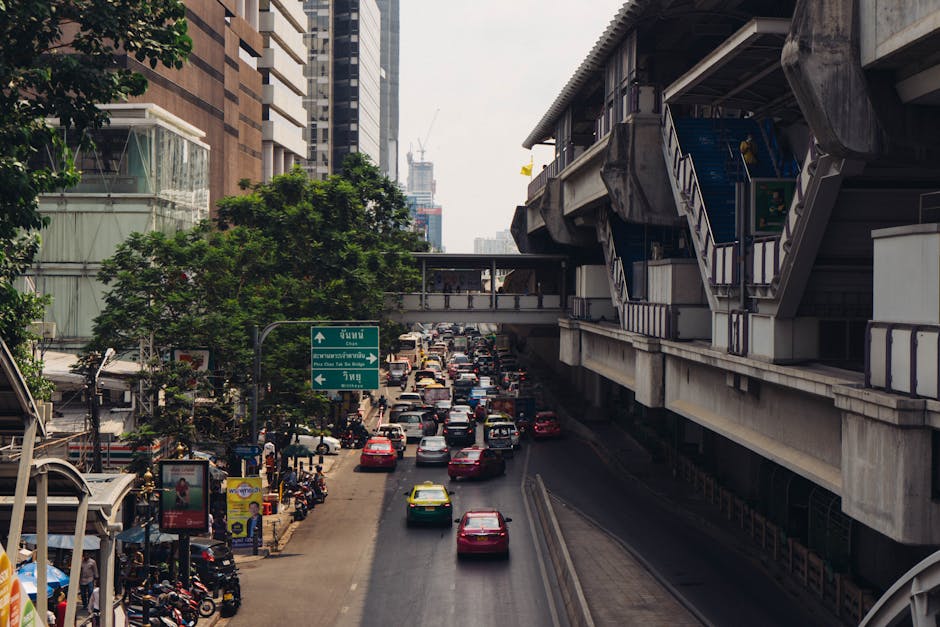
Tuk-tuks are Bangkok's iconic three-wheeled motorised rickshaw. They're loud, chaotic, wobbling on Bangkok's side-streets, and they're essential to understanding the city. But they're also where tourists get scammed most frequently. Here's how to ride them like a local and pay local prices.
The Three Transport Options: Tuk-Tuk vs. Taxi vs. Grab
Before you even hail a tuk-tuk, decide if you need one.
Tuk-tuks: No meter. You must negotiate a price upfront. Rides are scenic, chatty, and genuinely fun if the price is fair. Bad if you pay double. Best for short distances (2–5km) where the negotiation effort is worthwhile.
Taxis: Red meter-based cabs. Press a button, the meter runs, you pay what it says plus a 50 baht surcharge. No negotiation, no surprises. Takes 30–60 minutes in traffic. Best for longer distances or if you're tired of haggling. Cost: 50–150 baht depending on distance.
Grab (app-based): Pre-set fares, no negotiation, driver rated by previous passengers, GPS route visible to both of you. No cash needed. Cost: 80–300 baht depending on distance and demand. Safest for women travelling alone or if you're unfamiliar with Bangkok's layout. Surge pricing kicks in during peak hours.
The reality: Use Grab if you're tired or unsure. Use a taxi if you want a fast, meter-based ride. Use a tuk-tuk only if you've negotiated a fair price and you're OK with the unpredictability. Most locals use taxis or Grab; tuk-tuks are increasingly a tourist experience.
When Tuk-Tuks Make Sense
Short distances with light traffic: Sukhumvit to Nana (1km), Silom to the river (2km), Chatuchak to a nearby restaurant (500m). These rides are faster by tuk-tuk than by waiting for a taxi or Grab to arrive.
Sightseeing journeys: Want to see a specific street market or hidden temple? A tuk-tuk driver knows side-streets that bypass expressways. Negotiate a 1–2 hour "tour" rate (usually 200–400 baht) and the driver becomes your guide.
Group rides: Split the fare among 3–4 people, and a tuk-tuk is cheap. Solo, it rarely makes financial sense.
Late night (after 23:00): Taxis are less available; Grab surge pricing is extreme. A tuk-tuk negotiation becomes reasonable.
Fair Prices: The Haggling Formula
Sukhumvit zone (Nana, Asok, Thonglor): Rides within this tourist area: 40–60 baht. Rides from this zone to Silom or Chatuchak: 100–150 baht.
Silom to river (Saphan Taksin): 60–80 baht.
Khao San Road: A well-known tourist trap. Any ride from Khao San should cost 40–60 baht. Drivers will ask for 150–200 baht. Haggle hard.
Long distances (Chatuchak, airport edges): 150–250 baht. Use a taxi meter or Grab instead—you'll pay less and avoid negotiation.
Time-based tours (2 hours): 300–400 baht. Not a per-km price but an hourly charter rate. Agree this upfront.
How to Haggle Without Getting Ripped Off
Step 1: Have a destination in mind. Hail a driver and tell him where you're going. Don't be vague ("I want to go to a market"). Say "I want to go to Chatuchak Weekend Market" or give him a street address.
Step 2: Ask the price. The driver will quote a number. For short rides, it's usually 2–3 times the fair rate. For Khao San rides, it's 3–4 times.
Step 3: Counter with a fair number. Using the formula above, offer the low end. Example: Driver asks 150 baht for a 1km ride in Sukhumvit. You counter with 50 baht.
Step 4: Settle in the middle. Driver drops to 120, you say 60, he says 80. You take it. The whole thing takes 20 seconds.
Step 5: Agree before boarding. Repeat the price and destination. "80 baht to Nana, yes?" Driver nods. Board and go.
Step 6: Pay cash. At the end, hand over 80 baht. No tip necessary (it's optional). Don't overpay to "make change"—this encourages overcharging.
The Classic Scams
Scam 1: The "Let Me Show You My Tailor Shop" Detour
A driver agrees to your price, then says, "First, I take you to my friend's tailor shop. Five minutes, no problem." You arrive at a tiny shop selling silk scarves or gemstones. The owner "offers you a deal." You feel obligated and buy overpriced rubbish. The driver gets 30–50% commission, which is why he offered the ride cheap.
Defence: Decline firmly. "No shop. Go directly to my destination." Repeat it twice. If the driver insists, tell him to stop the tuk-tuk and you'll get out. Drivers back down immediately—they're betting you won't.
Scam 2: The "I Don't Have Change" Finale
You agree on 50 baht. At the end, you hand over 100 baht. The driver says "I don't have change, give me 70 baht instead." He's counting on you being tired and wanting to leave.
Defence: Carry small notes (10, 20, 50 baht). Pay exact change. If the driver claims he has no change, step out and find a 7-Eleven to break a note, then return. He'll magically find change.
Scam 3: The Metered Taxi Impersonator
A "taxi" that looks like a meter-cab actually has a rigged meter running at 5x speed. You think it's an official taxi and trust the meter. Arrives at your destination; fare shows 500 baht for a 100 baht journey.
Defence: Only use official red taxis with "TAXI METER" clearly written on the door. If it's a hybrid or unmarked vehicle claiming to have a meter, use Grab instead. Real meters are visible on the dashboard and run at standard rates.
Scam 4: The Tourist Information Closure
Driver says "The Grand Palace is closed today. Let me take you to a temple instead." You end up at a tourist trap (not the Grand Palace, not a real temple—a shop). The driver gets commission.
Defence: Check opening hours on Google Maps before departing. Grand Palace is almost never closed except for national holidays (which you'd know about). Don't let a driver redirect you. If he insists the destination is closed, pull up Google on your phone and show him it's open.
Scam 5: The Disappearing Meter
You hail a "taxi" that claims to have a meter. Partway through the ride, the driver says "Meter broken, I'll estimate." Then inflates the fare.
Defence: Check the meter before entering. If it's broken, don't board. Find another taxi. Red taxis with working meters are everywhere—never compromise.
When to Skip Tuk-Tuks Entirely
Heavy traffic (11:00–13:00, 17:00–19:00): A tuk-tuk is no faster than a taxi, and you're sitting in exhaust. Use BTS or MRT instead.
Rainy or hot days: You're exposed to weather on a tuk-tuk. Taxis have AC and windows. When temperatures hit 40°C or a monsoon's rolling in, cab it.
Long distances (>10km): Grab, taxi, or ride a bus. The negotiation effort isn't worth it.
Alone and unfamiliar with Bangkok: Use Grab. The driver is rated, the route is transparent, and you're safer.
The Tuk-Tuk Experience Done Right
If you want to ride a tuk-tuk properly: hire one for a 2-hour "grand tour" of old Bangkok with a negotiated rate (350–400 baht). Tell the driver: "I want to see local temples, street food, markets—not tourist shops." He'll take you to alleys you'd never find alone, feed you where locals eat, and you'll understand Bangkok's rhythm in 2 hours.
That's worth a tuk-tuk. Random hails to your hotel? Grab or taxi. The logistics matter more than the romance.
Final Word
Tuk-tuks are fun, loud, and chaotic. They're also inefficient for most journeys and full of scam potential. Use them for short distances where you've negotiated firmly, sightseeing tours where you've hired the driver by the hour, or group rides where the cost splits. Otherwise, Grab is faster, cheaper, and safer. Our complete Bangkok guide covers every neighbourhood and transport option—once you understand the city's layout, you'll know exactly when a tuk-tuk makes sense and when it doesn't.
Master Bangkok in Minutes
Don't waste hours planning. Get our condensed, digital cheat sheet with everything you actually need.
Shop Guide on Etsy →