 ConciseTravel
Two to four days. One bag that fits in the overhead locker. This is entirely achievable, and once you do it, you will never go back to waiting at a carousel.
The trick is not packing less. The trick is packing smarter. Here is the system we use and recommend.
The Clothing Strategy
Forget specific item lists. The principle is re-wear and layer, not pack everything you might possibly want.
For a 2-4 day city trip, the formula is:
- Bottoms: Two pairs. One for walking, one for evenings. Jeans cross both categories on most trips.
- Tops: One per day, plus one spare. Three tops for a three-night trip. Four for four nights. No more.
- Layers: One mid-layer that works inside and outside. A lightweight fleece or a structured shirt-jacket does this better than a bulky jumper.
- Outer layer: One. Wear it on the plane so it does not eat bag space.
The re-wear discipline is the whole game. If you pack items you are not willing to wear twice, you will always overpack.
A note on colour
Neutrals mix. Pack one core colour family and everything works together. Packing a statement piece that only pairs with one item is how bags get heavy.
Shoes: The Number Is Two
One pair of comfortable walking shoes. One pair that works for dinner or a smarter evening. That is it.
The second pair often ends up being a folding flat, a clean trainer, or a lightweight Chelsea boot depending on the season. What matters is that both pairs can handle cobblestones without destroying your feet. City breaks involve far more walking than most people expect.
Wear the bulkier pair on travel days to save space in the bag.
Tech
Keep this lean:
- Phone. It replaces a camera, a map, a boarding pass, and a translation device. Pack accordingly.
- Charging cable and a small power bank. Full days out mean the phone battery will not last.
- Universal adapter if needed. One compact multi-country adapter covers every scenario.
- Earphones. For flights, transit, and those moments when you want to pretend you cannot hear the tour group.
Avoid packing a laptop unless you genuinely plan to work. A tablet is borderline. If you find yourself justifying it with "just in case," leave it at home.
Documents
Physical copies still matter in 2026. Keep these in a slim document wallet or a zipped inner pocket:
- Passport or ID card
- Travel insurance details (policy number and emergency contact)
- Accommodation confirmation
- Any pre-booked attraction tickets printed or accessible offline
Card payments are near-universal in most European cities, but having a small amount of local currency on arrival saves friction at unmanned ticket machines, markets, and older cafes.
Comfort Items
This category gets bloated fast. Keep it to genuine necessities:
- Medication — anything prescription plus paracetamol and a blister kit
- A packable day bag — a lightweight tote or foldable backpack for city days when you leave the main bag at the hotel
- One sleep essential — a travel pillow, an eye mask, or earplugs depending on what actually affects your sleep
- Portable umbrella — the one item that earns its weight in almost every European city
Skip the "just in case" toiletries. Most hotels provide basics. Anything you forget can be bought at a pharmacy within 20 minutes of arriving anywhere.
The Bag Itself
A 40-litre or under cabin bag works for most airlines. Check the specific dimensions for your carrier before packing because they vary more than the marketing suggests. A structured bag with external compression straps keeps things tighter and avoids the soft-bag situation where half the contents migrate to the bottom.
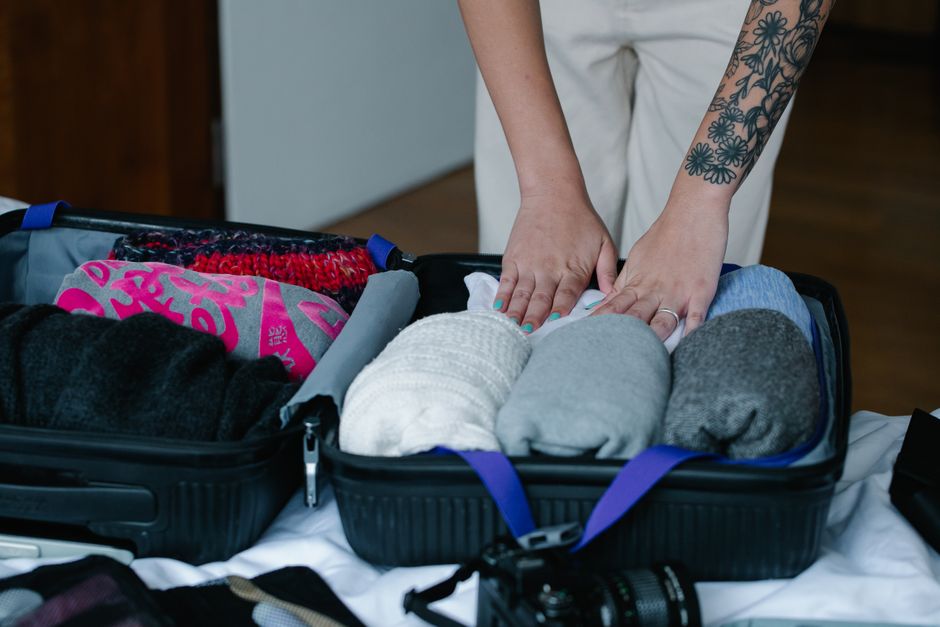
Pack shoes at the bottom (against your back when the bag is upright), heavier items in the middle, and clothes rolled rather than folded. Rolling compresses better and surfaces wrinkles less.
The Final Check
Before you close the bag: take out anything you have not used on a previous trip. That "might be useful" item never is.