 ConciseTravel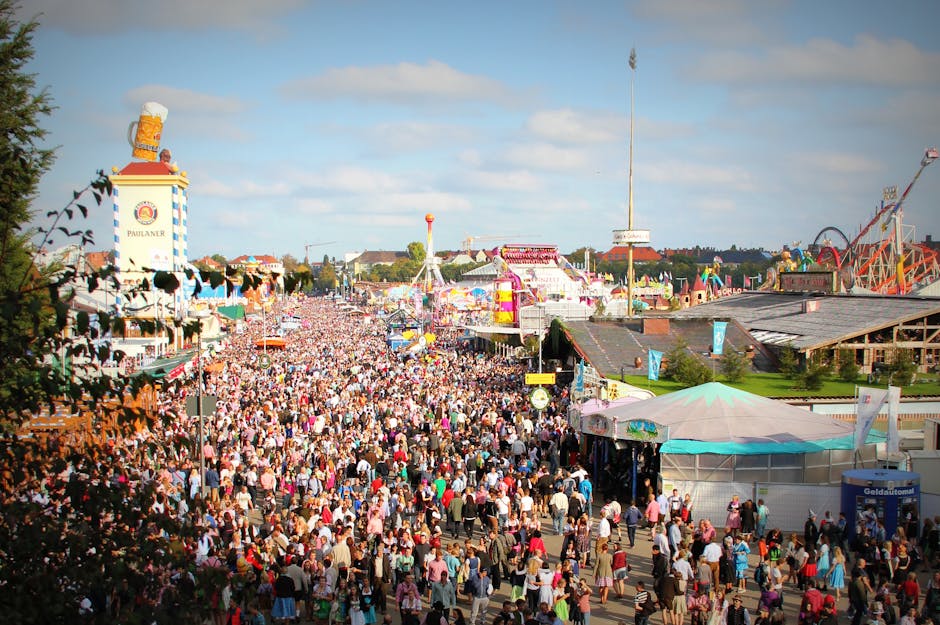
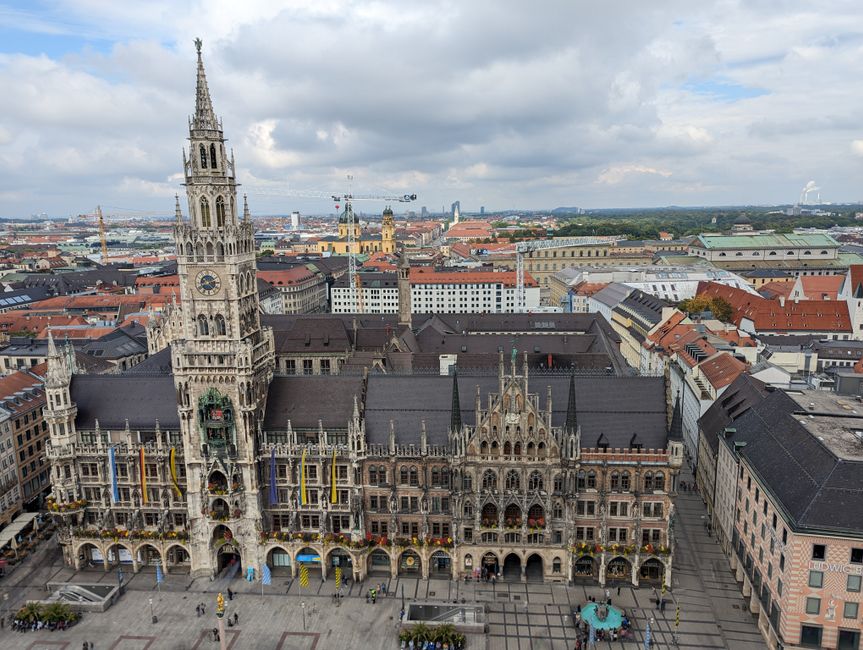
Munich's Christmas Market is one of Europe's most famous seasonal attractions. Thousands of wooden stalls, mulled wine, roasted chestnuts, ornaments, and the Neues Rathaus lit up at night. It's gorgeous, it's Bavarian, and it's genuinely worth experiencing, if you go at the right time and understand what you're signing up for.
When It Happens
Dates: Late November to late December (typically November 27, 2025 – January 1, 2026, depending on the year).
Hours: 10:00–21:00 most days; 09:00–21:00 on Saturdays and Sundays.
Duration: About 5–6 weeks.
The Two Phases
Phase 1: Late November to Mid-December
Vibe: Manageable crowds, genuine Christmas atmosphere, locals shopping and celebrating.
Best time: Weekday afternoons (14:00–17:00). You can move, see things, have conversations.
Crowd size: Busy but not overwhelming. 10,000–30,000 people on the square (sounds like a lot, feels okay).
What to do: Shop, eat, enjoy the slower pace, experience the market as designed.
Phase 2: Mid-December to New Year
Vibe: Chaotic, tourist-heavy, magical-turned-overwhelming.
Worst times: Weekends (Sat–Sun), evenings (18:00–21:00), December 20–30.
Crowd size: 50,000–100,000 people packed onto Marienplatz. It's genuinely cramped.
What to expect: Slow movement, long food queues, pushing and shoving, difficulty seeing stalls.
Why go anyway: The aesthetics are stunning. Lights, decorations, the market in full holiday mode. If you can tolerate crowds, it's beautiful.
What You'll Find
Food and Drink
- Glühwein (mulled wine): €5–6 per glass. Warm, spiced, essential. Each stall has its own recipe; taste a few.
- Roasted chestnuts: €3–4 per bag. Fresh, warm, genuinely good.
- Roasted almonds: €4–5 per bag. Same vibe as chestnuts.
- Lebkuchen (gingerbread): €3–8 per piece. Iced, decorated, available in every iteration.
- Schnitzel/grilled food: €10–15 per plate. Warm food for cold nights.
- Feuerzangenbowle: A theatrical flaming punch poured over a burning sugar loaf. €6 per cup. Spectacular and tasty.
- Chocolate: Hot chocolate, chocolate bars, chocolate-covered everything. €4–8.
Shopping
- Christmas ornaments: Glass baubles, wooden figures, traditional Bavarian designs. €5–50 depending on size/quality.
- Handcrafted goods: Wooden toys, carved figures, artisan products. €10–100+.
- Clothing: Winter scarves, hats, gloves. €15–50.
- Seasonal decorations: Nutcrackers, candles, lights. €5–50.
Atmosphere
The market is designed to be beautiful. The Neues Rathaus is lit up, there are lights strung across the square, and carols play softly. If you can get past the crowds (or go during quieter times), it's genuinely enchanting.
Which Days to Go
Best Days (Manageable)
- Weekday mornings (10:00–14:00): Least crowded. You can actually move.
- Rainy/cold weekdays: People stay home. The market is yours.
- Early December (Nov 27–Dec 10): Before the holiday crunch. Still feels like a market, not a crush.
Good Days (Busy but Okay)
- Weekday evenings (17:00–20:00): Lights are on, atmosphere is good, crowds are manageable (not like weekends).
- Mid-December (Dec 10–20): Busy, but before the holiday peak.
Avoid
- Weekends (Sat–Sun): Especially 15:00–21:00. Absolutely packed.
- December 20–30: Holiday rush. Insane crowds.
- New Year's Eve (Dec 31): The market is wild. Not pleasant.
How to Actually Enjoy It
Strategy 1: The Quick Visit (1 hour)
- Arrive at 10:00 on a weekday.
- Buy one glühwein and one lebkuchen.
- Walk the perimeter, look at decorations.
- Leave by 11:00.
You've experienced the market without the chaos. Perfect for limited time.
Strategy 2: The Full Experience (3 hours)
- Go on a weekday afternoon (14:00–17:00).
- Arrive slowly, wander stalls.
- Try different glühwein vendors.
- Buy one small souvenir.
- Stay until dusk (around 16:30 in December) to see the lights come on.
- Leave before evening rush.
You've experienced the full market while crowds are manageable.
Strategy 3: The Winter Evening (2 hours)
- Go on a weekday evening (17:30–19:30).
- Experience the market lit up at night (genuinely beautiful).
- Accept the crowds (bigger than day, but not weekend chaos).
- Enjoy the festive atmosphere.
- Get warm drinks and leave.
You've experienced the postcard version of the market.
What Not to Do
- Don't go December 24 or 25. The market is closed or very limited.
- Don't expect to shop thoroughly on weekends. You'll spend 2 hours moving 50 metres.
- Don't skip glühwein. It's the whole experience.
- Don't bring large backpacks. Crowds make navigation hard; you'll hit people with your bag.
Budget
- Glühwein: €5–6 (get 1–3 depending on time).
- Food: €10–20 for a snack or meal.
- Souvenir: €0–50 depending on if you buy anything.
Total budget: €15–70 per person for a visit.
The Realism
It's genuinely beautiful: The market is one of Munich's best sights in winter. The aesthetics, the warmth, the lights, it's genuinely magical.
It gets absurdly crowded: December 20–30 is insane. Not pleasant. Genuinely consider skipping those dates.
It's worth one visit: If you're in Munich during the market season, go once. Go on a quiet weekday afternoon. Have glühwein and a lebkuchen. Enjoy the atmosphere. Leave before it gets packed.
Don't make it your whole evening: One hour to two hours is the sweet spot. Longer than that and fatigue sets in.
What's Next?
The Christmas Market is Munich at its most festive and seasonal. But understanding the city means experiencing it year-round, in beer gardens, on cycling paths, in neighbourhoods, and at different rhythms.
Our comprehensive Munich guide covers Munich across all seasons and times of day. It helps you plan a visit that fits your schedule and interests, whether that's Christmas markets, summer beer gardens, autumn walks, or spring cycling.
Get the guide and experience Munich properly.
Master Munich in Minutes
Don't waste hours planning. Get our condensed, digital cheat sheet with everything you actually need.
Shop Guide on Etsy →