ConciseTravel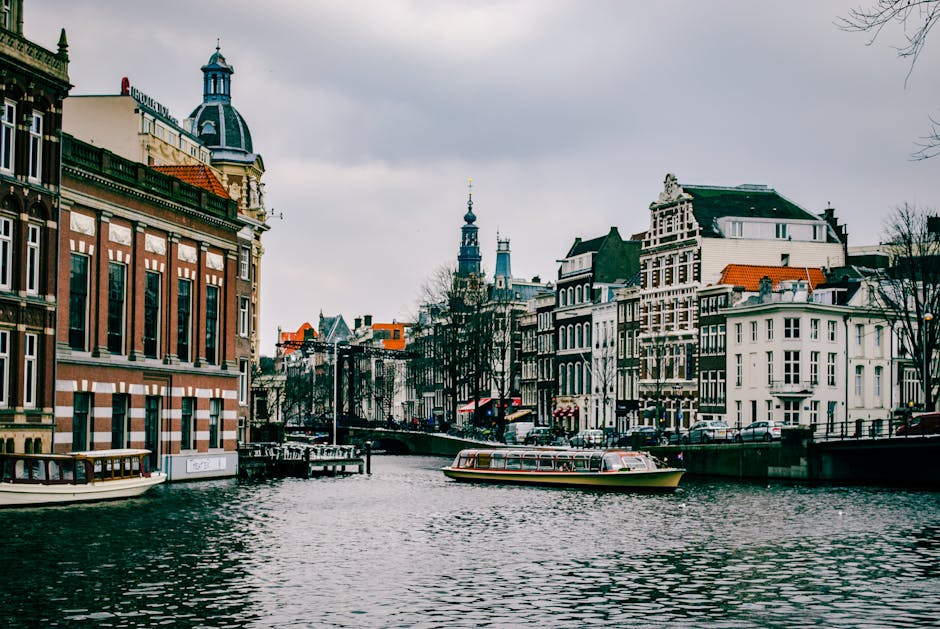
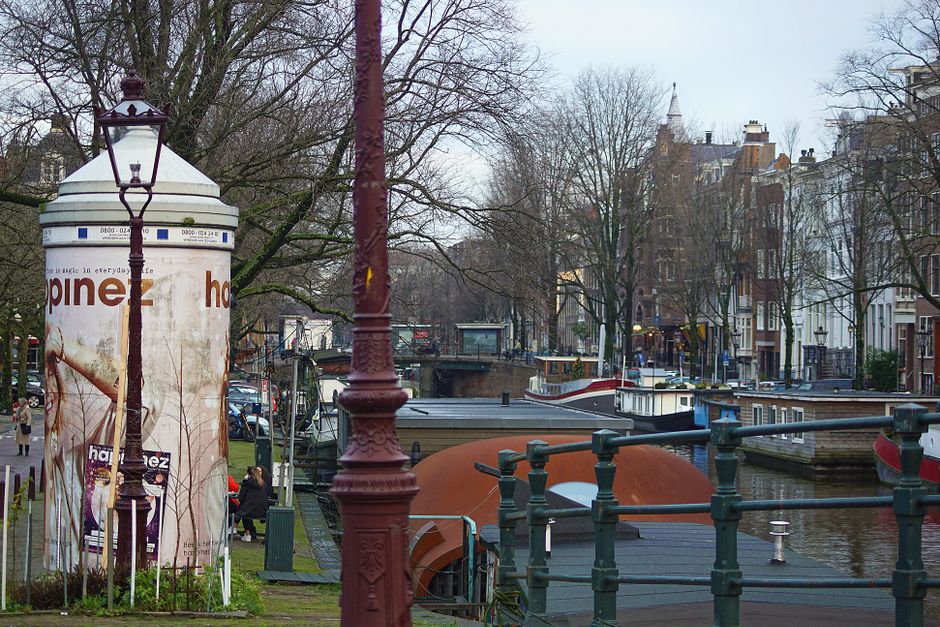
Amsterdam's Canal Belt isn't just pretty. It's a historical masterpiece and the most iconic part of the city. For first-timers, it can feel like a labyrinth of identical bridges and charming gabled houses, but getting to grips with its layout and rhythm is key to enjoying it. This isn't just a photo opportunity; it's the city's circulatory system.
The Three Main Canals
At its heart, the Canal Belt is made up of three concentric canals: the Herengracht (Gentlemen's Canal), Keizersgracht (Emperor's Canal), and Prinsengracht (Prince's Canal). They were dug in the 17th century during Amsterdam's Golden Age to manage water levels and create space for new houses.
Herengracht: Historically the most prestigious. Look for grander, wider houses here, often with ornate gables. It's a quieter, more residential canal.
Keizersgracht: Slightly less formal, with a mix of residential buildings and some businesses. It has a good balance of activity.
Prinsengracht: The outermost and often the liveliest. It's home to the Anne Frank House, Westerkerk, and numerous cafes and houseboats. This is where you'll find more pedestrian activity.
Walking vs. Boating
Walking is the best way to explore the Canal Belt's charm, especially in the quieter side streets and across the hundreds of bridges. Give yourself at least a full day, or break it into sections.
For a different perspective, a canal cruise is essential for first-timers. There are many operators departing from near Centraal Station or the Anne Frank House. Opt for an open-top boat on a clear day to fully appreciate the architecture. We recommend booking your Amsterdam canal cruise through GetYourGuide — slots fill up fast in peak season and advance booking saves you queuing in the heat.
Key Areas to Explore
The Nine Streets (De Negen Straatjes): A cluster of nine charming side streets connecting the main canals, famous for independent boutiques, vintage shops, and cosy cafes. It's perfect for an afternoon of browsing and coffee stops.
Westerkerk: Amsterdam's largest Protestant church, with a tower that offers panoramic views of the Canal Belt. Entry to the church is free, but there's a small fee to climb the tower.
Anne Frank House: Located on the Prinsengracht. Always book tickets well in advance.
Flower Market (Bloemenmarkt): A floating flower market on the Singel canal. While it's more souvenir-focused these days, it's still a colourful sight and worth a quick walk through.
Tips for Navigation
Use a map app: Google Maps or Citymapper work well. The canals can disorient you quickly. Keep your phone charged.
Look for bridge numbers: Every bridge in Amsterdam has a number. They're useful orientation points if you get lost or need to remember a specific spot.
Cross the canals often: Don't just walk down one side. Cross back and forth to see different perspectives and discover hidden gems in the side streets.
The Canal Belt is where Amsterdam feels most like itself. Take your time, get lost a little, and let the city unfold around you.
Our full Amsterdam guide provides detailed walking routes and highlights for each section of the Canal Belt, helping you uncover its secrets like a local.
Master Amsterdam in Minutes
Don't waste hours planning. Get our condensed, digital cheat sheet with everything you actually need.
Shop Guide on Etsy →