 ConciseTravel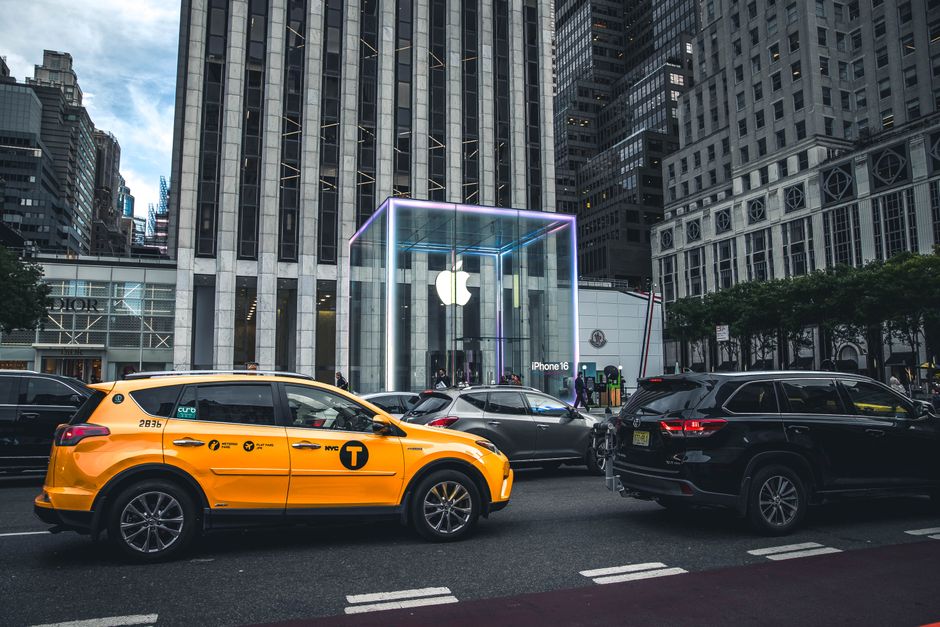
You will absolutely use rideshare in New York. The question is whether you'll do it smartly or whether you'll end up paying $47 for a trip that should cost $12 because you didn't understand surge pricing. Let me teach you the system so you keep money in your pocket and dignity in your heart.
Yellow Cabs: Regulated but Expensive
Yellow taxis are iconic, licensed, and surprisingly consistent. The meter is regulated by the Taxi and Limousine Commission (TLC), which means:
- $2.50 initial charge
- $2.50 per mile
- $0.50 per minute of wait time (speeds under 6 mph)
- 50 cents peak hour surcharge (4–8 PM Monday-Friday)
- $1 night surcharge (8 PM–6 AM)
A typical crosstown trip (2–3 miles) runs $12–18 before tip. A longer trip from Midtown to the Lower East Side (3–4 miles) runs $15–25. Add tolls if you cross bridges (East River bridges toll is $6.50 for cars).
Advantages: Licensed drivers, predictable pricing (no surge), you can request a specific route if you know the city, and they're everywhere.
Disadvantages: Often slower than expected due to traffic, drivers sometimes don't know the city as well as they should, and they often smell like 30 years of cab.
Pro move: Hail a cab on the street instead of using an app. When you hail from the street, drivers can't surge price you. They make money on volume, not on manipulating prices. Plus, street hailing is more New York.
Uber and Lyft: Convenient but Volatile
These apps offer predictable experiences until demand spikes, then the prices multiply like rabbits. A normal Uber across Manhattan costs $15–25. During rush hour or bad weather, it's $40–70+.
How surge pricing works: When demand overwhelms supply, the app increases prices automatically. It's algorithmic—no human malice, just math. If 100 people request rides but only 20 drivers are available, prices quadruple to incentivize more drivers and discourage some customers.
Surge pricing windows to avoid:
- 7–10 AM (morning commute)
- 4–7 PM (evening commute)
- During/after rain or snow
- Friday and Saturday nights after 11 PM
- During major events (concerts, sports games, etc.)
- Airport rush (early morning for flights)
The real play: Open the app at surge time, see the price, decide it's insane, and take the subway or walk instead. Wait 30 minutes and check again. Often the surge drops dramatically.
Lyft vs. Uber: Functionally identical in NYC. Prices are usually within a dollar of each other. Use whichever has lower surge at that moment. Keep both apps installed and compare before ordering.
UberX vs. Uber Black vs. Uber Eats Pickup
UberX: Regular cars, $15–25 typical price, most common, sometimes drivers are texting.
Uber Black: Luxury cars and professional drivers, $40–60+ even without surge, actually worth it if you're in a suit going to an important meeting.
Uber Eats: Food delivery but also carpooling. Cheaper than regular Uber if you don't mind sharing with strangers heading roughly your direction.
For tourism purposes, stick with UberX or just hail a yellow cab.
Pool and Shared Rides: The Budget Play
Both Uber and Lyft offer shared ride options (Uber Pool, Lyft Shared). You get matched with other passengers heading in similar directions, split the fare, and save 30–50%. The trade-off: longer ride time and sometimes awkward silences with strangers.
When to use: You're not in a rush, you're budget-conscious, and you can handle uncertainty (your driver might take a detour to drop off the other passenger first). Not ideal for tight schedules.
Strategic Timing: How to Minimize Costs
Early morning (6–7 AM): Cheap surge pricing because cabs are scarce but supply is starting. You can often snag an Uber before commuters flood the system.
Mid-afternoon (2–4 PM): Legitimately quiet. Locals are working, tourists are at attractions. It's a dead zone. Pricing is normal.
Late night (after midnight): Prices surge again, but yellow cabs are sometimes cheaper because they operate on the meter regardless of time. Weirdly, 2–4 AM is actually reasonably priced.
Weekdays beat weekends: Tuesday at 10 AM is cheaper than Saturday at 10 AM because demand is lower.
Tipping: What's Expected
Yellow cabs: 15–20% on the meter total. A $15 ride gets a $2–3 tip.
Uber/Lyft: 15–20% in the app. Here's the thing: these app-based drivers depend heavily on tips because the base pay is garbage. If you use Uber/Lyft, tipping is essential. If you're tipping-averse, stick with yellow cabs.
Practical Advice: The Sequence
Arriving at the airport: Use yellow taxi or pre-booked car service. Don't Uber during peak hours.
Getting around Midtown: Walk if the weather's decent. Subway if in a rush. Yellow cab if raining or carrying lots of luggage.
Evening after dinner: Subway is safest and fastest. Uber if you're tired or far from a station. Walk if drunk (seriously, walking while drunk is slower and safer than waiting for an Uber in traffic).
Late night (midnight+): Yellow cab or Uber, depending on surge pricing. Check both. Sometimes yellow cab is legitimately cheaper because it's metered.
Airport departures (morning): Book the night before. Don't rely on app availability at 4 AM. Use Uber Black if you want guaranteed pickup, or call a car service and confirm it the night before.
Common Mistakes to Avoid
Ordering Uber from the airport pickup zone: Surge pricing is aggressive here. Walk to the curb, move 200 feet away from arrivals, order from there.
Not knowing your destination address: Drivers can't navigate to "that restaurant near Times Square." Have the specific address in your phone. Bonus: share your live location with someone so they know you got there.
Assuming driver knows traffic: Some drivers route terribly. If you know a shortcut, mention it. Politely. Most drivers appreciate local knowledge.
Forgetting the app automatically adds tip: Check the Uber/Lyft confirmation. Sometimes 18–20% is already added and you're about to double-tip.
Taking a cab when you're emotional: Tired, angry, or overwhelmed? Wait 30 minutes. Order a cheap Uber or take the subway. You'll regret the $50 impulse cab ride when you see the charge.
The Bottom Line
Yellow cabs are best for rainy days, late nights, and if you value consistency. Uber/Lyft are convenient but expensive during surge. The subway and buses are cheaper and often faster. Plan your transport method by the time of day and expected surge, and you'll save serious money.
Most first-time visitors overpay by 50% on rideshare because they don't anticipate surge pricing. Now you know better.
Images You'll Need
- Row of yellow taxis lined up on Manhattan street – Alt text: "Multiple iconic yellow NYC taxis parked in a row on a busy Manhattan avenue"
- Smartphone showing Uber surge pricing alert – Alt text: "Mobile phone screen displaying Uber app with surge pricing multiplier during rush hour"
- Yellow cab meter showing fare – Alt text: "Close-up of illuminated taxi meter displaying fare information and rate schedule"
- Uber and Lyft app icons on smartphone screen – Alt text: "Phone screen showing both Uber and Lyft ride-sharing app icons side by side"
- Taxi driver at the wheel of yellow cab – Alt text: "Professional taxi driver inside yellow cab looking over shoulder with cityscape visible"
Master New York in Minutes
Don't waste hours planning. Get our condensed, digital cheat sheet with everything you actually need.
Shop Guide on Etsy →