 ConciseTravel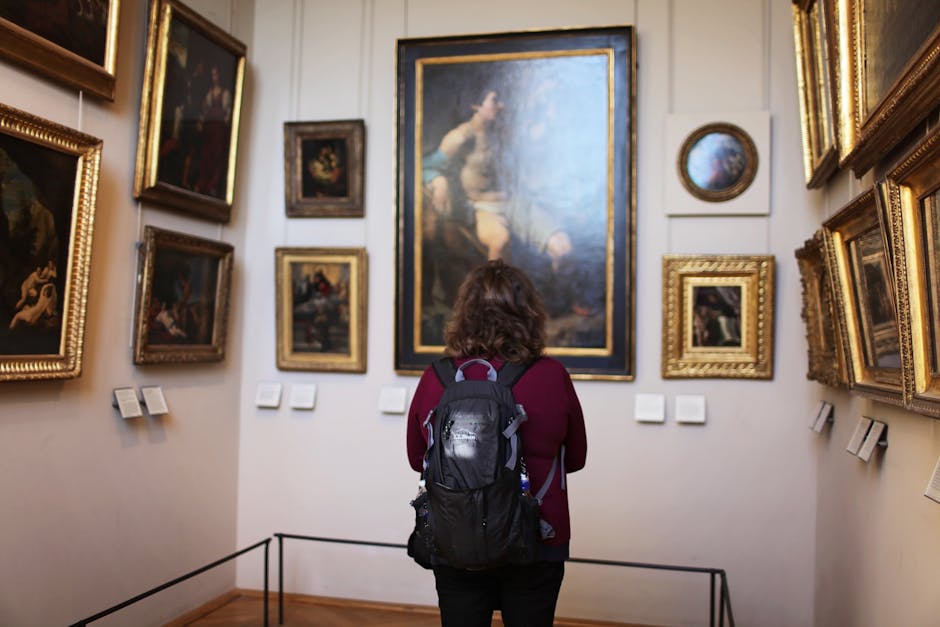
The default assumption in travel is that a guided tour is the premium experience and self-guided is the budget compromise. This is wrong for a significant number of sites and experiences. Knowing which format wins where is one of the more useful things you can figure out before a trip.
Self-Guided Wins Here
Art museums. The Prado, the Rijksmuseum, the Uffizi, the National Gallery in Prague: all are better done alone or with a dedicated audio guide. These are spaces for slow, personal engagement with individual works. A group tour moves at the pace of the slowest person and the guide's predetermined narrative. You will be hurried past things you want to study and held in front of things that don't interest you.
Buy the museum's own audio guide or use the app. Spend 20 minutes with one room you love rather than 4 minutes in twenty rooms. Self-guided is not a compromise here; it is the correct format.
Flexible walking cities. In cities with walkable, legible layouts, Amsterdam, Copenhagen, Edinburgh, Lisbon, Bologna, and Prague among them, getting lost with a good map is a better experience than following a group. You eat when you want, you stop when something catches your eye, you duck into a side street when the main route is busy.
Return visits. If you've been before and know the layout and history, a guided tour adds little. Use the time for the specific things you missed last time.
When you have strong pre-existing knowledge. If you've read about a city's architecture, history, or art before you arrive, a general guided tour will cover ground you already understand. Spend the money on a more specialist experience instead.
Guided Tours Win Here
Sites where history requires human explanation. Auschwitz-Birkenau is the most obvious example in Europe. Going alone is not wrong, but the context and the moral weight of the site are carried more effectively by a guide who can place you within specific histories, specific testimonies, and specific questions. The Auschwitz-Birkenau State Museum offers guided tours and the experience is substantially different from self-guided for most visitors.
The Berlin Wall documentation, the Warsaw Rising Museum, and the Memorial to the Murdered Jews of Europe in Berlin also benefit from guided interpretation, particularly for visitors without deep prior knowledge of the relevant history.
Hard-to-access places. Vatican Museums tours that include the Sistine Chapel at opening, before the crowds arrive. Skip-the-line access to the Colosseum's arena floor. Early-morning entry to Pompeii. Some of the most worthwhile guided tours are not primarily about the guiding; they're about the access. The interpretation is a bonus.
Complex historical sites in less familiar cultures. Visiting Roman forums in isolation can feel like standing in rubble. A guide who can rebuild the context, this is where Julius Caesar was assassinated, this is what the street would have looked like, this building was a tavern, transforms the experience. The investment in a guide is proportional to how unfamiliar the historical context is.
First morning in a completely new city. Even in otherwise self-guided destinations, a free walking tour on day one is worth it for orientation. See the free walking tours post for the detail on this.
The Hybrid Approach
The most useful model for most city breaks: self-guided for museums, art, and walking neighbourhoods, guided for the one or two sites where context is load-bearing.
In Rome: self-guided for the Borghese Gallery (book in advance; timed entry already controls flow), guided for the Colosseum and Forum if you have limited knowledge of Roman history.
In Prague: self-guided for most of the city, guided for the Jewish Quarter if the history of the Prague Jewish community is central to why you're there.
In Berlin: self-guided for nearly everything, guided specifically for the Berlin Wall sites and Sachsenhausen if you're visiting.
Paying for a guide where the guide doesn't add value is not a premium experience. It's an expensive way to walk around at someone else's pace.