ConciseTravel
Getting from Cristiano Ronaldo International Airport into Porto's city center doesn't require a travel agent or blind luck—just knowing which transport option matches your budget, luggage situation, and tolerance for Portuguese signage. We've tested all three major routes so you don't have to gamble on arrival day.
Metro Line E: The Budget Champion
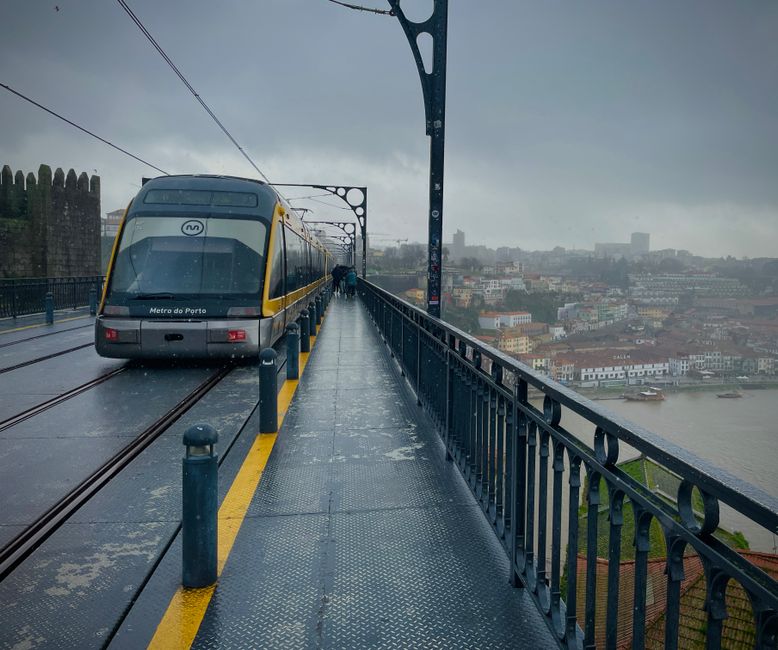
The metro's Line E (the purple line, naturally) is the cheapest option at around €3–4 for a single journey. It's also the most confusing if you haven't ridden a Portuguese metro before.
The Reality: The metro takes roughly 25–35 minutes to reach Trindade (central Porto), depending on where you exit. From Trindade, you're a 10-minute walk to Ribeira or Baixa. The trains run every 15–20 minutes during the day, with reduced frequency at night. If you're arriving after 22:00, genuinely consider a taxi instead—the wait for the next train might cost more in stress than the €15 alternative.
Pro tip: Buy an Andante card (reloadable travel card) at the airport kiosk. It's €0.50, then load credit on it. Single journeys are cheaper than buying individual tickets. You'll use it for your entire Porto stay.
Luggage reality check: The metro is crowded during peak times (7–9am, 5–7pm). If you're a first-time visitor with two massive suitcases and jetlag, the metro becomes a wrestling match. It works, but it's not pleasant.
Taxi: The Predictable Option
Taxis from Porto airport cost approximately €12–18 to the city center, depending on traffic and your destination. Grab a cab from the official taxi rank outside arrivals—not the aggressive dudes holding signs inside the terminal.
The reality: Portuguese taxi drivers know the city cold. You'll arrive in 15–20 minutes (light traffic) to 30 minutes (rush hour). The driver might not speak English, but "Ribeira" or showing them a hotel address on your phone works fine. Most drivers accept cards now, though cash is still safer.
The problem: Taxis are metered, and Porto's roads are narrow and deliberately confusing. You might save money versus Uber, or you might not—it depends on congestion and the route your driver chooses.
Uber: The English-Friendly Shortcut
Uber operates in Porto, though less dominantly than in larger European cities. A typical Uber to the city center costs €8–14 depending on surge pricing. During peak hours, expect the price to spike.
The advantage: You see the fare upfront. You know the driver's rating. The app works in English. There's a record of your journey if something goes wrong.
The disadvantage: Surge pricing at peak arrival times (especially 3–5pm) can push costs to €20+. The app might struggle with Portuguese addresses, forcing you to pin the location manually.
The Verdict
Choose Metro Line E if: You're traveling solo, packing light, arriving between 6am–10pm, and don't mind 35 minutes of confusion.
Choose Taxi if: You have luggage, want predictable travel time, and don't want to decode the metro system on arrival day.
Choose Uber if: You want English-speaking confirmation, upfront pricing, and convenience over savings.
Our pick: Taxi on arrival day (peace of mind), metro card for the rest of your stay (savings and flexibility).
Master Porto in Minutes
Don't waste hours planning. Get our condensed, digital cheat sheet with everything you actually need.
Shop Guide on Etsy →