ConciseTravel
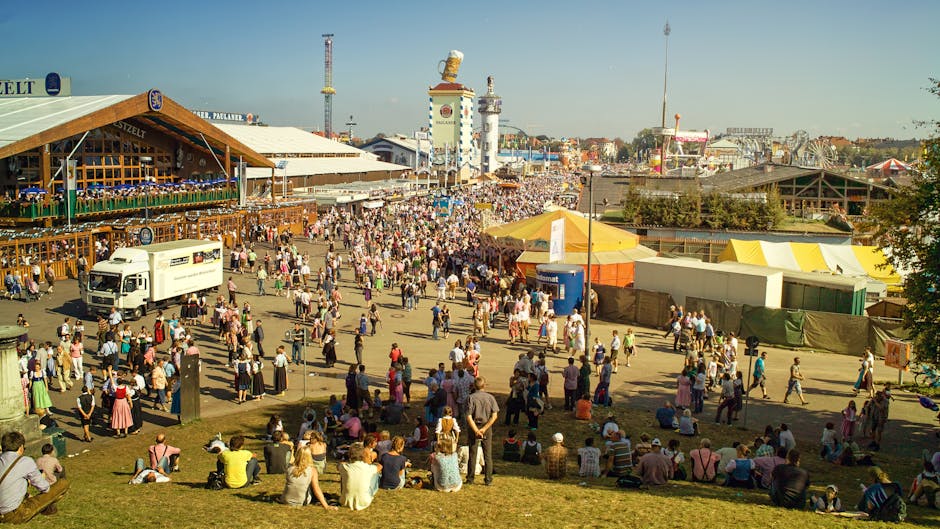
Oktoberfest is simultaneously one of the world's best parties and one of its most overwhelming experiences. A million people packed into beer tents, lederhosen and dirndl as far as the eye can see, and the very real possibility you'll lose your friends at 22:00 and never find them again.
Here's how to actually enjoy it instead of just survive it.
The Festival Basics
When: Mid-September to early October (dates shift yearly; in 2025, September 20–October 5).
Where: Theresienwiese, a large festival grounds southwest of the city centre (U-Bahn U4 or U5 to Theresienwiese).
Hours: Gates open at 10:00 on weekdays (usually), 09:00 on weekends. Closes around 23:30.
Cost: Entry is free. You pay for beer (€12–15 per litre), food (€15–25 for a meal), and goods. Budget €50–100 per day.
The Beer Tents: What You Actually Need to Know
There are 14 large beer tents (holding 3,000–10,000 people each) and dozens of smaller vendors. Each tent has a different personality and clientele.
The Famous Tents
Hofbräu Tent
- Capacity: 10,000
- Vibe: Touristy, loud, chaotic. It's the Disneyland of Oktoberfest.
- Crowd: International, Instagram-focused, families, stag parties.
- Entry: Walk-ins possible during the day (10:00–15:00); near impossible after 16:00.
- Why go: The iconic experience. You can say you've been.
- Reality: It's overwhelming in the best and worst ways.
Augustiner Tent
- Capacity: 5,000
- Vibe: Slightly more local, slightly more serious about beer.
- Crowd: Mixed Münchners and tourists.
- Entry: Easier to get in than Hofbräu, but still challenging in evening.
- Why go: Better beer, better food, less Instagram chaos.
- Reality: Still crowded, but more genuine.
Paulaner Tent
- Capacity: 7,000
- Vibe: Young, energetic, party-focused.
- Crowd: Younger tourists, party enthusiasts.
- Entry: Difficult after midday.
- Why go: High energy, good beer, fun atmosphere.
- Reality: A solid choice if you want the festival vibe without pure chaos.
Theresienwiese Tent (often the quietest large tent)
- Capacity: 3,000
- Vibe: More local, less touristy.
- Crowd: Mix of Münchners and savvy tourists.
- Entry: Easier to get in; less famous means fewer touts.
- Why go: Genuine festival feeling without the absolute madness.
- Reality: Might be the best choice for first-timers seeking balance.
Smaller Tents and Vendors
There are dozens of smaller tents (500–2,000 capacity) with regional identities. They're less famous but often better experiences, better food, easier access, more authentic vibe.
Your strategy: Avoid the big four at peak times (16:00–23:00). Go early (10:00–14:00), mid-day, or explore smaller vendors instead.
The Reservation Question
Can You Get a Reservation?
The big tents take reservations 6+ months in advance. If you're reading this and it's less than 6 months away, you're likely too late.
Should You Even Try?
Reservations are expensive (you often have to order food/drink in advance, €50–100+ minimum per person) and restrictive. You're locked to one tent, one time, one experience.
Our recommendation: Skip reservations. Oktoberfest without planning is actually more fun, you move between tents, you find pockets of space, you meet random people.
The Actual Survival Strategy
Timing
- Best time to arrive: 10:00–11:00 on weekdays. The gates just opened, people are still arriving, you can walk into tents and find space.
- Worst time: 16:00–23:00. Peak crowd, standing-room only, fights breaking out.
- Alternative: 13:00–15:00. People are napping (post-lunch), you can sometimes find seats. Sounds boring, but it's strategic.
Which Tent
If you're a first-timer: Go to Hofbräu during the day (10:00–14:00), say you've done it, understand the vibe, then leave and explore smaller tents. You'll actually enjoy the festival more.
If you want to balance famous and livable: Augustiner or Paulaner. Both are known, both have good beer and food, but more survivable than Hofbräu.
If you want authenticity: Skip the big tents entirely. Explore the smaller regional tents (often identified by Bavarian region names like "Schützen Feszt" or "Käfer Wiesn"). The beer is the same, the experience is more genuine.
Your Actual Itinerary
- Day 1 (Afternoon): Arrive at 13:00. Walk through the festival grounds, visit Hofbräu briefly (15 minutes), see the vibe, grab food.
- Day 1 (Evening): Head to a smaller tent at 18:00 when the big ones are chaos. Have actual dinner, good beer, watch live oompah band. Leave by 21:00 when the party gets intense.
- Day 2 (Morning): Return at 10:00 when it's calm. Spend 2–3 hours at a different tent, have breakfast/brunch, experience the festival without the madness.
- Done. You've had the genuine experience. Leave before evening chaos.
The Essential Gear
- Dirndl or lederhosen: Optional, but if you're going, wear them. It's part of the ritual. Rent from a local shop (€40–60) rather than buy.
- Comfortable walking shoes: You'll walk kilometres and stand for hours.
- A backpack: Leave your phone and valuables; bring just enough cash for the day.
- Layers: Weather varies. September can be warm; early October can be cold.
- A Masskrug (litre mug): Optional. You can buy one at the festival (€10–15) to drink from, but it's a tourist thing. Locals use provided glasses.
Food Strategy
Don't buy expensive tent meals (€20–30 for mediocre food). Instead:
- Breakfast beforehand: Eat a proper meal before arriving.
- Grab quick food at vendors: Currywurst, kebabs, roasted chicken. €8–12 and better quality.
- Share meals: Get one large plate and share. It's cheaper and you eat better.
Drink Strategy
- Pace yourself: You're there for hours. Drink water between beers.
- Eat with drinking: Always have food. Beer on an empty stomach leads to bad decisions.
- One litre is substantial: Don't feel like you need to drink constantly.
- Non-alcoholic options exist: Lemonade, apple juice, coffee. Ordering something other than beer is fine.
The Social Aspect
Oktoberfest's magic is table-sharing and meeting strangers. The protocol:
- Find a table with space.
- Ask "Ist hier noch frei?" (Is this still free?) or just sit down.
- You're now part of that group.
- Share food, drink, conversation.
- You'll make friends, exchange contact info, and have ridiculous stories.
This is the genuine festival experience. Embrace it.
Mistakes to Avoid
- Arriving drunk: You'll get tired fast and make poor decisions.
- Separating from your group without a plan: Decide a meeting point in advance.
- Buying overpriced goods from touts: Stick to official vendors.
- Going alone if you're not confident: Oktoberfest is crowded. Groups are safer and more fun.
- Staying too late (after 23:00): The festival doesn't get better after midnight. It gets messier. Leave before chaos.
The Realistic Take
Best case: You experience genuine beer culture, meet interesting people, enjoy excellent food and beer, and leave with happy memories.
Worst case: You're crushed against 5,000 drunk people, your feet hurt, you lose your friends, and you spend the night in a tent full of chaos.
Most likely: Something in between. It's crowded, loud, and overwhelming, but also genuinely fun if you pace yourself, don't try to do everything, and leave early.
What's Next?
Oktoberfest is a specific event, but Munich's beer culture runs year-round. Understanding Oktoberfest means understanding Bavarian pride in beer, community, and festival culture.
Our comprehensive Munich guide covers beer gardens, beer history, food traditions, and how to experience Munich's culture properly. It also covers what to do outside of Oktoberfest season, when the city is quieter and more genuinely explorable.
Get the guide and experience Munich beyond the festival chaos.