ConciseTravel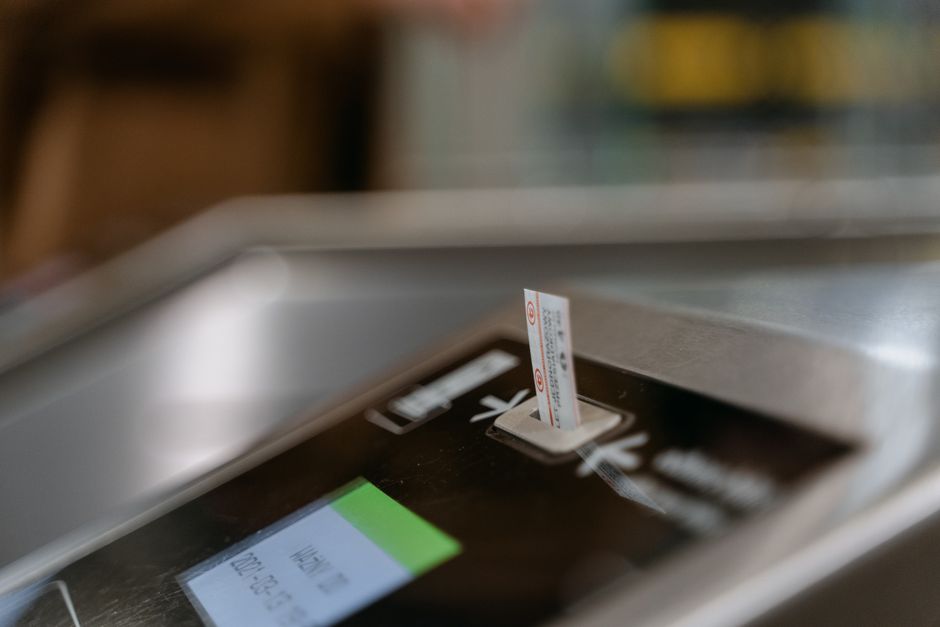
Milan's metro is deceptively simple, four color-coded lines, a grid layout, and no surprises. Yet first-timers often freeze at the ticket machine, unsure whether to buy single tickets or a day pass. Here's how to stop overthinking and just go.
The Four Lines: What You Need to Know
Line 1 (Red): Runs east-west, from Sesto to Rho. It passes Milano Centrale (main station), Duomo (the cathedral), and San Babila. This is your workhorse. If you're staying central, you'll use it repeatedly.
Line 2 (Green): Runs north-south through the outer neighborhoods. Less useful for tourists, but it connects Garibaldi (north) to Abbiategrasso (southwest). Skip it unless your accommodation is off the main drag.
Line 3 (Yellow): East-west, but more northern. It hits Centrale and Duomo too, so it overlaps with Line 1. Use it as a backup if Line 1 is crowded or when you're exploring further out.
Line 4 (Purple/Blue): Opened recently, runs from Linate Airport to the northwest. It's genuinely useful if you're flying in or out of Linate. Otherwise, you can ignore it.
Key stations: Duomo (cathedral and central), Milano Centrale (trains, chaos), Garibaldi (Brera neighborhood), Cadorna (west Milan), San Babila (east, shopping). Memorize these and you're 80% of the way there.
Tickets: The Actual Math
Single journey: €2.20. Works for 90 minutes of travel across any combo of lines or trams/buses. You can transfer freely within that window.
Day pass (24 hours): €7.90. Runs from the time you first validate it until 24 hours later. Covers unlimited metro, tram, and bus travel.
48-hour pass: €13.30.
10-journey carnet: €22. The per-journey cost drops to €2.20, which is... Exactly the same as a single ticket. This is only smart if you're stockpiling for future trips.
Weekend pass: €7.90 for Saturday-Sunday. If you're arriving Friday evening and leaving Monday, this might just edge out the math.
Should You Buy the Day Pass?
The break-even point is 4 journeys. If you plan to ride the metro more than 4 times in 24 hours, buy the day pass.
In practice, most tourists use the metro 2–3 times per day (once to get to the city center, once to reach an attraction, once to a restaurant). For a two-day trip, two single tickets per day is often smarter than the day pass.
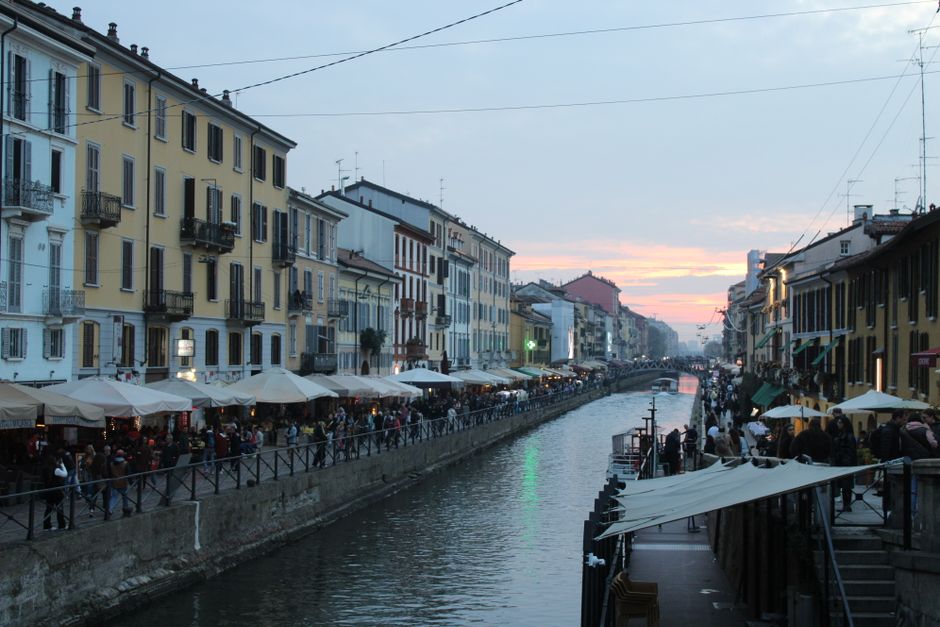
Exception: If you're doing a heavy-attraction day (Duomo in the morning, Pinacoteca di Brera in the afternoon, Navigli in the evening), you might hit 4 journeys. Do the math for your itinerary.
We don't have affiliate arrangements for Milan's transport, so we're just telling you the truth: single tickets work fine for most visitors.
How to Buy and Use Tickets
At the station: Use the self-service machines. They accept coins, cards, and notes. Select your language (English is available), pick your ticket type, and pay. The machines are ubiquitous and reliable.
On your phone: Download the ATM Milano app, buy your ticket digitally, and validate it by tapping your phone at the turnstile. Faster and no fumbling for coins. This is increasingly the local habit.
Validation: Every ticket, whether paper or digital, must be validated at the turnstile or on the bus. You'll see a yellow or black validation box at the metro entrance. Tap your phone or insert the paper ticket and you'll hear a beep. Don't skip this. Inspectors roam and fines are €50+.
Navigating the Stations
Milan's metro stations are clean and logically signed. Follow the colored line for your direction. Transfers between lines are clearly marked and usually involve a short walk through a corridor.
Duomo station is the exception: it's a sprawling underground complex connecting multiple lines and two tram networks. It can feel like a tunnel maze. Signs are everywhere, but follow the colors and you'll be fine.
Milano Centrale is chaotic because it's also a mainline train hub. Hordes of commuters and tourist groups compete for space. Don't linger; find your line and move.
Trams: Should You Bother?
Milan has 18 tram lines, and they're iconic (Tram 1 is especially famous for reaching Duomo). Trams run on fixed routes aboveground, which means they're slow if you're in a hurry but slower if you're absorbing the city.
When to use trams: Photography tours, when the weather is perfect, or if you're deliberately meandering. Avoid during rush hour (7–9am, 5–7pm).
Tram fares: Same as metro (€2.20 single). Validate at the yellow boxes on the tram itself.
Best tram route for tourists: Tram 1, from San Babila (east Milan) through Duomo and out to Milan's historic neighborhoods.
Pro Tips for Seamless Travel
Download Citymapper. It's invaluable in Milan. Type your start and end points and it shows metro, tram, and bus routes with live arrival times. It's faster than the official ATM app and shows you exactly which car to sit in to reach your exit station.
Understand direction names. Milan metro uses destination names, not "northbound" or "southbound." Know your destination or you'll board the wrong direction. Citymapper eliminates this confusion.
Avoid peak rush hours (7–9am, 5–7pm). The metro is packed. If flexibility exists, travel mid-morning or mid-afternoon.
Buy your ticket before boarding. Don't rely on the machines at your destination; they sometimes jam or run out of cash.
Pickpockets exist. They're rare, but keep bags in front and be aware in crowded trains during peak hours.
To Milan's Guide for Deeper Context
This covers the mechanics. For the bigger question, where to stay, what neighborhoods feel right, how to pace days, our full Milan guide walks you through neighborhood vibes, transport links, and why you might choose Duomo, Brera, Navigli, or quieter zones. The metro is just the connective tissue; the guide is the skeleton.
Master Milan in Minutes
Don't waste hours planning. Get our condensed, digital cheat sheet with everything you actually need.
Shop Guide on Etsy →