ConciseTravel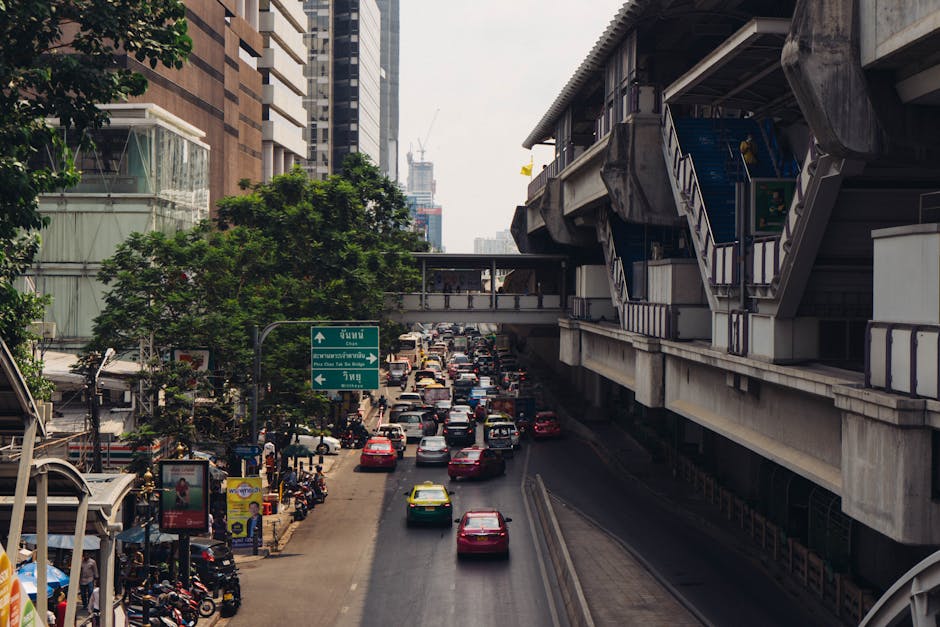
Bangkok's elevated BTS Skytrain and underground MRT metro are the city's circulatory system. They're fast, affordable, air-conditioned, and they bypass traffic entirely. Once you master them, you'll move around the city like a Bangkokian. Here's everything you need to know.
The Two Systems: BTS vs. MRT
Bangkok has two separate rail networks that don't directly connect (though some stations are walking distance from each other).
BTS Skytrain: The elevated system running mostly above ground. Two lines: the Sukhumvit Line (running north-south through the main business and entertainment districts) and the Silom Line (running east-west through Chinatown and the financial centre). Trains are modern, clean, and run every 2–4 minutes during peak hours. Open 06:00 to 00:00 (last train).
MRT Metro: The underground network with four lines (Blue, Purple, Green, Orange, Red) covering outer and central districts. Trains run every 3–5 minutes. Open 06:00 to 00:00. The Blue Line is the most useful for tourists, connecting central Bangkok to Chatuchak Market and Samut Prakan Province.
The reality: You'll probably use the BTS more—it covers the touristy areas (Sukhumvit hotels, Silom nightlife, Phaya Thai for airport links) more directly.
Fares and Payment Cards
Single journeys cost 15–65 baht depending on distance. You have three payment options:
Token (single journey): Buy one-use plastic tokens from the ticket booth. Simple, but if you're making more than 3 journeys, you'll spend more than a card. Not ideal.
Rabbit Card: A rechargeable smart card sold at stations for 100–150 baht (includes stored value). Top up as needed. Fares are slightly cheaper per journey than tokens. You can use it on both BTS and MRT, plus buses and taxis (some accept it). Most tourists buy one on arrival; you'll use it for the rest of your stay. Best value if you're taking 4+ journeys.
Contactless phone payment: If you have an Apple Pay or Google Pay account set up with a Thai bank card or tourist payment app, you can tap your phone at the gate. Convenient but less reliable if your card doesn't work perfectly with Thai readers.
Tourist Pass (7-day unlimited): 1,450 baht for unlimited BTS+MRT travel for 7 days. Only worth it if you're making 20+ journeys in a week. Most tourists skip this—individual fares are cheap enough.
Pro tip: Buy a Rabbit Card at your first station stop. It takes 2 minutes, costs next to nothing, and saves you queuing at every station.
Reading the Map and Planning Routes
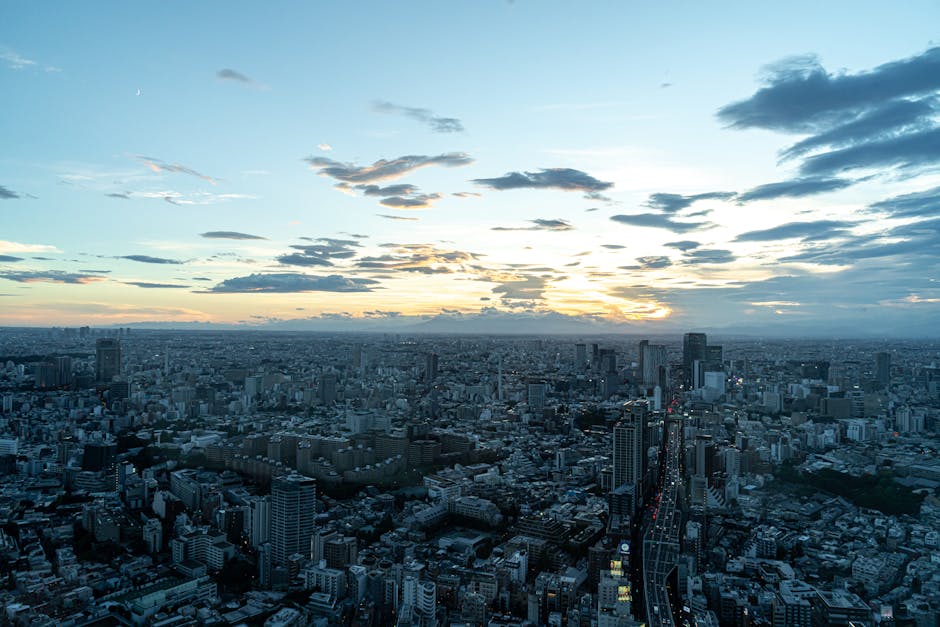
Both systems use colour-coded lines. BTS stations are on elevated platforms (you'll see them dominating Bangkok's skyline), while MRT stations are underground with the red M logo.
If you're on Sukhumvit Road: You're on the BTS Sukhumvit Line. Stations include Nana (tourist hotels), Asok (nightlife), Ekkamai (local buses east), Bearing (Lumphini Park entrance). All the main backpacker and business-district attractions are within walking distance of a station.
If you're in Silom: Take the BTS Silom Line west toward Saphan Taksin (river boat pier). The line also serves central banking areas and cultural attractions.
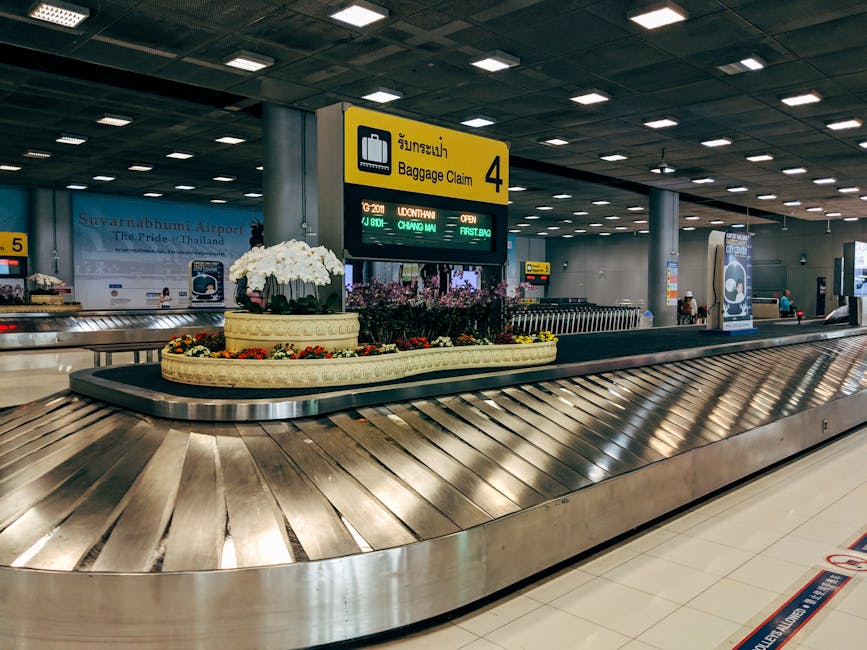
If you need the airport: ARL (Airport Rail Link) from Suvarnabhumi connects to MRT Blue Line at Makkasan. From Don Mueang, the Red Line runs into central Bangkok.
For Chatuchak Market: Take the BTS to Mo Chit station (Sukhumvit Line), then walk to the market. Or take the MRT Blue Line directly to Chatuchak Park.
The grid system: Bangkok uses sois (sidestreets). If a soi is on the BTS line, get off at the nearest station and walk up the soi. Google Maps works flawlessly with Bangkok's metro—always check it before boarding.
Using the Stations
Stations are clearly marked in Thai and English. Card readers are at the entry gates; tap or insert your card. Trains pull up every few minutes; during rush hour (07:00–09:00 and 17:00–19:00), they fill up fast—stand to the side and let locals board first.
Etiquette note: Don't eat on the train (exception: water is fine), don't block doors, and never touch the yellow handholds in the first-class section (that's for monks). Thais are relaxed but this stuff matters.
Exit navigation: When you're getting off, tap or insert your card again at the exit gate. Stations have maps, and most have tourist information boards in English. If you're lost, ask a station attendant—they're helpful.
Peak Hours vs. Off-Peak
Peak hours (07:00–09:00, 17:00–19:00): The BTS gets genuinely rammed. Trains are standing-room-only, and women-only carriages fill just as quickly. Travel is slower because so many people board. Avoid if possible.
Off-peak (10:00–16:00, 20:00–23:00): Trains are nearly empty. You'll get a seat, move fast, and enjoy the air conditioning. Plan your sightseeing for these hours if you can.
Late night (after 23:00): Last trains depart around 00:00. If you're out late, plan your exit in advance or book a Grab home. Trains stop running abruptly—there's no night service.
Combining Systems
Some journeys require switching between BTS and MRT. The Blue Line MRT connects to the BTS at Asok and Phetchburi stations (walkable, ~5 min). Plan ahead using Google Maps; tap in the direction to see which line you need and where to change.
Example journey: Sukhumvit hotel → Chatuchak Market. Take BTS Sukhumvit Line north to Mo Chit (or switch at Central Shoppingworld to the MRT Blue Line and go directly to Chatuchak Park). Both work; the BTS+walk is often faster.
Insider Tips
1. Download the BTS/MRT app: The official Thai Transit apps show real-time train locations and delays. Invaluable during rush hour.
2. Avoid the crush: If you're standing on a crowded train, move toward the rear carriages—fewer tourists board there.
3. Station shops: Every major BTS and MRT station has 7-Elevens, coffee shops, and food stalls. Grab breakfast or water before boarding.
4. Lost and found: If you leave something on a train, go to the station office immediately. Thailand's system is honest; you'll likely get it back.
5. English signage: Station signs and train announcements are in Thai and English. Don't stress about navigating—it's intuitive.
6. Cash only for tokens: If you're buying a one-off token at a quiet station, bring cash. Some booths don't take cards.
When Not to Use the Metro
Long distances (15+ km): The BTS and MRT are great for intra-city movement, but for trips to outer areas (Floating Markets, ancient temples in Samut Prakan), consider a day tour or rent a car. The metro will get you there, but it takes time—bus or tour operators are faster.
Late-night transport: After 00:00, the metro closes. Take a Grab or taxi home. Taxis are cheap at night (no surge pricing on meters), so don't stress.
Suitcase journeys: If you're arriving with large luggage, avoid peak-hour trains. Take a taxi, Grab, or pre-booked transfer instead. Stations have stairs, and dragging luggage through crowds is miserable.
Your Bangkok Metro Shortcut
Master the BTS and MRT, and you've unlocked 80% of Bangkok. Get a Rabbit Card, download the app, and plan routes on Google Maps. Our complete Bangkok guide covers every neighbourhood served by the metro, plus insider routes to markets, temples, and dining hotspots that locals use. Study it once, and the metro becomes second nature.
Master Bangkok in Minutes
Don't waste hours planning. Get our condensed, digital cheat sheet with everything you actually need.
Shop Guide on Etsy →