ConciseTravel
Lake Garda's cuisine is built on three pillars: bigoli (hand-pulled thick pasta), freshwater fish, and Bardolino wine. Unlike coastal regions (pasta with anchovies, seafood risotto), Garda's food is landlocked, hearty, and straightforward. Here's what to eat and where.
Bigoli: Lake Garda's Signature Pasta
Bigoli (pronounced bee-GOL-ee) is hand-pulled pasta, thicker than spaghetti, made from durum wheat or sometimes buckwheat. It dates to medieval times and is distinctly Garda.
What it looks like: Like a thick spaghetti, 2-3mm diameter, slightly irregular (hand-made variation is part of the charm).
Texture: Chewy, sturdy, designed to hold sauce rather than absorb it.
Best sauces:
- Bigoli in salsa (sardines/anchovies): Bigoli with a sauce of salted sardines or anchovies, onions, and white wine. Pungent, salty, authentic. €12-14.
- Bigoli with duck ragù (sugo d'anatra): Slow-cooked duck meat, tomatoes, herbs. Rich and hearty. €14-18.
- Bigoli al forno (baked): Baked in a casserole with butter, parmesan, and sometimes cream. €12-15.
Where to eat it: Any trattoria in Garda towns will serve it. Recommended: Look for "fatto in casa" (homemade). Some restaurants buy dried bigoli; homemade tastes better.
Real assessment: Bigoli is worth trying once specifically. After one meal, you'll understand why locals love it (it's genuinely good). It's not fancy; it's peasant food elevated by quality ingredients.
Money tip: Bigoli is cheaper than tourist-trap pasta. €12-14 is reasonable. Over €16 and you're paying for location, not quality.
Lake Fish: Lavarello, Trout, Pike Perch
Lake Garda's freshwater fish are the hidden star of the region.
Lavarello (Lake whitefish):
- Small, silvery, delicate flavor.
- Grilled whole (head on, locals don't mind).
- €16-22 per portion.
- Best in spring (March-May).
- Authentic and delicious.
Trout (trota):
- Mild, flaky, versatile.
- Grilled, baked, or in risotto.
- €14-18 per portion.
- Year-round availability.
- Less interesting than lavarello but reliable.
Pike perch (luccioperca/lucioperca):
- Meaty, firm texture, mild flavor.
- Grilled or baked.
- €18-24 per portion.
- Less common; ask if available.
- Very good if you find it.
Preparation matters: Whole grilled fish (with head and bones) is more authentic than fileted. The bones add flavor and texture. If squeamish, ask for fileted; restaurants can accommodate.
Where: Look for "pesce di lago" (lake fish) on menus. Ask what's fresh that day. Seasonal availability means spring and autumn have better fish.
Real assessment: Lake fish tastes different from ocean fish (milder, freshwater notes). Trying lavarello is a must-do Lake Garda experience.
Gnocchi, Risotto, and Other Carbs
Gnocchi al branzino: Gnocchi (soft potato dumplings) with a branzino (sea bass) sauce. Unusual combination but delicious. €12-15.
Risotto al tartufo (truffle risotto): Creamy risotto with truffle shavings. €16-20. Expensive but worth once.
Risotto ai funghi (mushroom risotto): Mushroom-based, earthy. €14-18.
Casunziei: Stuffed pasta pockets (spinach + ricotta filling). €12-16. More Dolomites/north, but you'll find it lakeside.
Real assessment: All good. Risotto is the region's standby; you can't go wrong.
Bardolino Wine
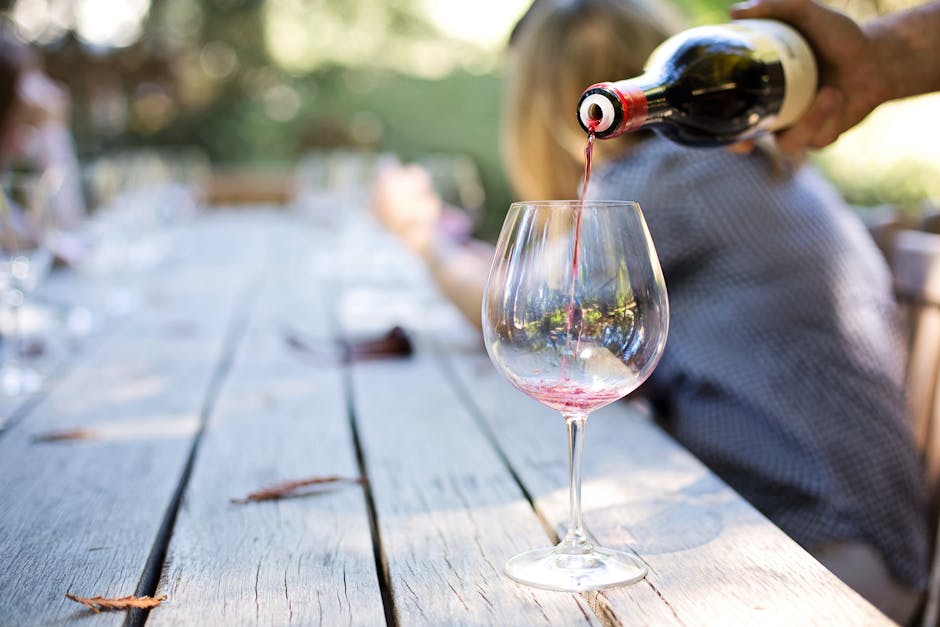
Bardolino is light, fruity, easy-drinking wine from the region south of Lake Garda. It's the wine of aperitivo culture.
Characteristics:
- Light red (some versions are pale pink, almost rosé).
- Low tannins, high acidity.
- Fruity (cherry, raspberry notes).
- Low alcohol (around 12%).
- Best served slightly chilled (12-14°C).
Price: €8-15 per bottle in shops, €4-6 per glass in restaurants.
Best producers: Look for DOC Bardolino or Bardolino Classico labels. Brands: Lamberti, Tommasi, Guerrieri-Rizzardi are reliable.
How to drink it: With aperitivo (noon), with lunch, with dinner. It's meant for casual drinking, not meditation.
Real assessment: Bardolino isn't complex or age-worthy. It's a working wine—easy, food-friendly, meant for happiness. Drink it cold, enjoy it, move on. Don't overthink it.
Money tip: Buy at a supermarket (€5-8/bottle). Restaurants charge €15-20 for the same bottle. Buy two bottles and have them with aperitivo and dinner.
Aperitivo Culture
Lake Garda's best-kept secret is aperitivo—a pre-dinner ritual of a drink + free snacks.
What happens:
- You order a Spritz (white wine + Aperol + soda, €3-5) or beer.
- Restaurant provides free snacks: olives, crackers, cheese, cured meat, bruschetta.
- The snacks are often €15+ value; the drink is €3-5.
Economics: Eating aperitivo twice (noon + 5 PM) + one dinner = €25-35/day food cost. Genius.
Where: Any bar or casual restaurant will do aperitivo. Ask "Avete l'aperitivo?" (Do you have aperitivo?). If yes, that's your sign.
Best time: 5-7 PM is peak aperitivo time. Locals gather, it's social, fun.
Real assessment: Aperitivo is the best value meal culture in Europe. Exploit it.
Cheese and Cured Meats
Cheese:
- Asiago: Hard, nutty, aged.
- Grana Padano: Like Parmigiano-Reggiano but slightly softer.
- Casera: Alpine cheese, mild and creamy.
Cured meats:
- Speck: Smoked cured pork (South Tyrol/north mountain region, you'll find it everywhere).
- Salami: Various regional kinds. Salami di Milano is standard.
- Pancetta: Cured pork belly. Amazing on pasta or by itself.
Where: Markets (excellent in Riva, Sirmione, Bardolino). Buy 100-200g for tasting. €3-8 for a small board.
Real assessment: These are not optional. Charcuterie culture is strong here. A simple meal of cheese, cured meat, bread, and wine is perfect.
Desserts (Not Memorable)
Garda's desserts are less distinctive than savory food.
Panettone: Christmas bread with dried fruit. €4-8. Sold year-round.
Panettone-adjacent: Similar dried fruit breads available seasonally.
Gelato: No distinctive Garda flavor. Gelato is gelato. €2.50-3.50/scoop.
Real assessment: Skip special desserts. Eat the mains, enjoy aperitivo snacks, finish with a good gelato. You're not coming to Garda for pastries.
A Day of Garda Eating
Breakfast (8-9 AM): Hotel pastry + espresso. €2-4.
Mid-morning snack: Coffee + cornetto (pastry) at a cafe. €2-3.
Aperitivo (noon, optional): Spritz + snacks at a bar. €4.
Lunch (1-2 PM): Bigoli or lake fish + wine. €14-20.
Aperitivo (5-6 PM): Spritz + snacks. €4.
Dinner (7:30-8:30 PM): Risotto or gnocchi + wine. €18-25.
Total daily food cost: €45-60 including drinks. Reasonable.
Where to Eat (By Town)
Sirmione: Ristorante Risotto (€12-16 pasta), Caffè Pasticceria (€12-15 pasta, locals only).
Malcesine: Restaurants on via Garibaldi (walk uphill from harbor, avoid waterfront).
Riva: Trattoria al Porto (€12-16 pasta, good fish), Al Volto (€4 aperitivo).
Bardolino: Wine country, focus on wine experiences. Any restaurant serves regional food.
Limone: Dal Boeuc (€12-16 pasta, local seafood), Risotto (€14-18 pasta).
Strategy: Always eat uphill from the harbor. Waterfront restaurants are tourist traps. Walk 2-3 blocks inland; prices drop and authenticity increases.
Markets (Best for Local Food)
Sirmione: Daily market near the castle. Fresh fish, cheese, vegetables. Friday is biggest.
Riva: Waterfront market on Thursdays and Sundays. Fish, produce.
Malcesine: Wednesday market. Good cheese and cured meats.
Bardolino: Wine region; focus on wine shops over food markets.
Limone: Small market near harbor. Lemons and citrus products.
Strategy: Visit a morning market (8-11 AM), buy local cheese and cured meat, have a picnic lunch instead of restaurant.
The Verdict
Lake Garda's food is not fancy; it's simple, seasonal, and honest. Bigoli is worth trying specifically. Lake fish (especially lavarello) is a must-experience. Bardolino wine is meant for casual enjoyment, not analysis.
The real food culture is aperitivo—exploiting the free snacks + cheap drink as a meal. Master aperitivo and you'll eat better for less money.
Avoid waterfront restaurants. Seek trattorie uphill, eat at markets, and embrace local ritual. Food is one of Lake Garda's genuine pleasures.
Master Lake Garda in Minutes
Don't waste hours planning. Get our condensed, digital cheat sheet with everything you actually need.
Shop Guide on Etsy →