 ConciseTravel
Belgian food is criminal underrated. Everyone talks about French cuisine. Belgian food is better: less fussy, more flavourful, and genuinely designed to be satisfying rather than impressive.
Here's what you actually need to eat in Brussels.
Waffles (Gaufres): Not Just Dessert
There are two types:
Liège Waffles: Made with a rich, yeasted dough studded with pearl sugar. They're sweet, dense, and sold warm from street vendors. You eat them as-is (sometimes with chocolate on top). They're a snack, not a meal.
Waffle Irons (Gaufres Bruxelloises): Made with a lighter, thinner dough. They're served with toppings: jam, chocolate, whipped cream, nutella, fruit. They're more of a dessert/breakfast item.
The reality: Liège waffles are the authentic Belgian street food. You'll see vendors everywhere. Buy one (€2-3), eat it warm, move on. Do this at least once. It's genuinely good.
Waffle Irons are tourist food, sold in cafés around the Grand Place. They're fine but overpriced (€8-12). Go for this if you want a sit-down experience.
Honest take: Liège waffles are better than waffle irons. They're also half the price and more authentically Belgian.
Moules-Frites: The National Dish
Mussels and fries. That's it. It's simple and absolutely perfect.
What you get: A massive pot of mussels (usually 1kg) steamed in white wine (and often beer, shallots, garlic, parsley). A generous serving of fries on the side. Bread to soak sauce.
Where to eat: Any decent Belgian restaurant has moules-frites. The quality varies by where you eat, not by the dish itself.
Best restaurants for moules-frites:
- Chez Léon (multiple locations, including near Grand Place): Touristy but honestly good. They've been doing moules since 1893. Prices are reasonable for the location. Yes, it's full of tourists, but that's because they do it well.
- Maison Antoine (Rue des Bouchers): Another established spot. Similar vibe. Good food.
- La Maison du Cygne (Grand Place itself): Expensive (you're paying for the view), but the moules are solid.
Real talk: The best moules-frites are at any unpretentious neighbourhood restaurant where locals eat. Ixelles has a dozen options. Go where Belgians go (ask your hotel staff) rather than the famous tourist spots.
Cost: €15-25 depending on location. Touristy places are pricier, neighbourhood spots are cheaper. Never cheap, but not luxury pricing.
When to order: Mussels are seasonal (best September-April). Order in winter. Summer is fine but they're sometimes less flavorful.
Carbonnade (Beef Stew)
Carbonnade Flamande is a Flemish beef stew. Beef, beer (usually brown ale), vegetables, slow-cooked until it's tender and the sauce is rich and dark.
Why it matters: It's genuinely perfect comfort food. Winter food. Food that makes you feel cared for.
Where to eat: Any neighbourhood restaurant in Brussels that serves traditional food. This is not a touristy dish—it's local.
Cost: €12-18 at a decent restaurant.
Honest take: If you're in Brussels in winter (November-February), order this. It's seasonal comfort food at its best. In summer, it's less essential (it's heavy), but restaurants serve it year-round.
Frites (Fries): The Non-Negotiable
Belgian fries are different. They're cut thick, fried twice (for crispness), and served with a range of sauces—not just ketchup.
What to order: Fries with andalouse (mayo-based, slightly spicy), curry mayo, or served with moules.
Where to get them: Any frite stand. Street vendors are genuinely good. There's no quality difference between a fancy restaurant's fries and a street vendor's (they probably use the same provider). Save money, get them from a stand (€2-4).
Best vendor: Maison Antoine (Rue des Bouchers) is famous and does excellent fries. Also does moules. It's touristy but worth the visit.
Reality: Belgian fries are excellent because of the technique and the sauce. You can't replicate them at home. Get them.
Croquettes (Croquettes)
Deep-fried logs of creamy filling (usually cheese or meat). Served with fries or as a snack.
Why get them: They're delicious and authentically Belgian. Crunchy outside, creamy inside.
Where: Any restaurant, café, or street vendor.
Cost: €3-5 for a couple.
Beer: The Context
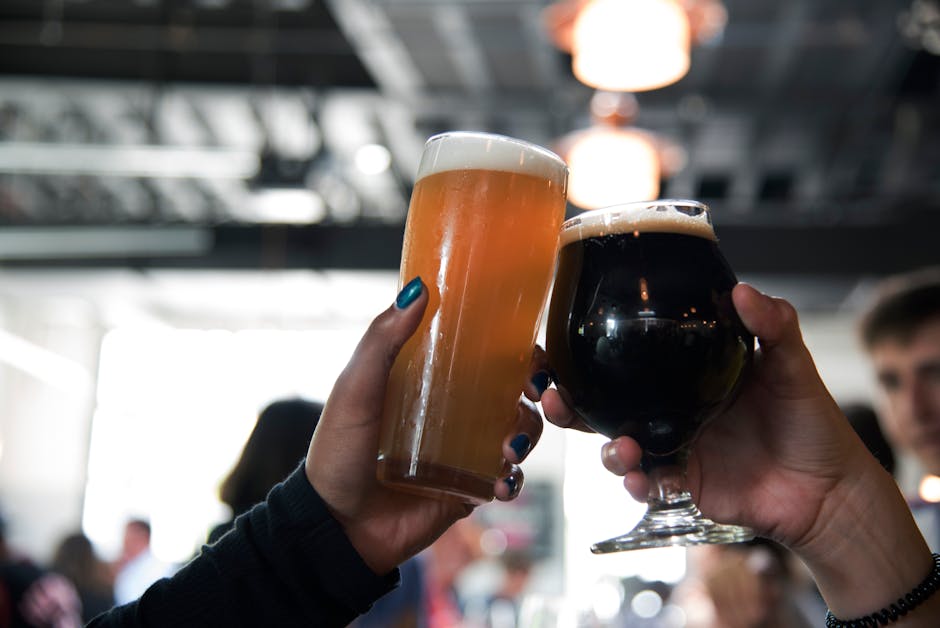
Belgium makes exceptional beer. More on this in the dedicated beer post, but mention it here: pair your food with beer. It's traditional and actually makes sense—Belgian beer complements the rich, saucy food.
Chocolate: The Obvious Play
More on this in a dedicated post too, but: Belgian chocolate is excellent. Buy some. Eat it. The pralines are the real deal.
Restaurant Strategy
For touristy, reliable food: Chez Léon or similar establishments around the Grand Place. Prices are high, but quality is consistent.
For authentic, cheaper food: Go to Ixelles or Marolles. Find a restaurant where locals eat. Ask your hotel concierge for recommendations. You'll get better food and lower prices.
Rue des Bouchers: Famous street for restaurants (lots of moules and friture vendors). It's busy and touristy, but the food is legit. Just don't expect local authenticity.
Street food: The best value. Waffles from a vendor, fries from a stand, occasional croquettes. You can eat excellently for €5-10 total.
Practical Reality
You don't need fancy restaurants to eat well in Brussels. The food culture is strong, and even casual spots (friteries, casual restaurants) serve genuinely good food. Budget €12-20 per meal at a decent restaurant, €3-5 for street food.
Brussels food isn't about pretension. It's about satisfaction. Eat big meals. Try everything. You'll be better for it.
Master Brussels in Minutes
Don't waste hours planning. Get our condensed, digital cheat sheet with everything you actually need.
Shop Guide on Etsy →