 ConciseTravel
Milan is fashion capital. The fashion district (Quadrilatero della Moda) is where the industry congregates. If you care about fashion, shopping, or design, it's worth understanding.
If you don't, you can skip this entirely.
What Is the Fashion District?
Location: Four blocks in central Milan, north of Duomo. Bounded by Via Montenapoleone, Via Sant'Andrea, Via Gesù, and Via Manzoni.
What's there: Every major luxury brand has a flagship store. Prada, Gucci, Louis Vuitton, Armani, Dolce & Gabbana, Hermès, etc.
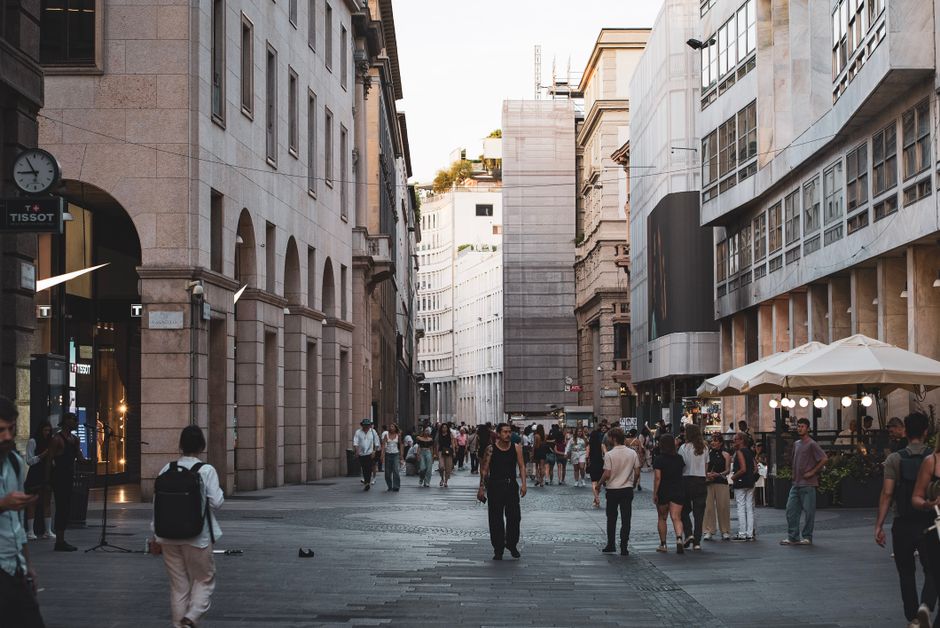
Vibe: Elegant, expensive, quiet (unlike typical shopping streets). It feels like visiting a museum of luxury.
Who shops here: Serious luxury shoppers, wealthy tourists, people who know fashion.
Via Montenapoleone: The Main Street
Via Montenapoleone is the heart of the fashion district. It's a 300-meter street lined with flagship stores and historic palazzos.
What you'll see:
- Storefronts: Each is an architectural statement. Brands invest millions in their spaces.
- Price windows: Prices are international standard (same as New York, London, Paris), not discounted.
- People-watching: Window-shopping and people-watching are valid activities.
Reality: You're paying full price, period. Milan isn't a shopping bargain destination despite being fashion capital.
The Quadrilatero della Moda (The Luxury Rectangle)
Beyond Via Montenapoleone, the wider district has:
Via Sant'Andrea: Secondary luxury street. Still expensive, slightly less crowded.
Via Gesù: More boutique-focused. Smaller brands, independent designers.
Via Manzoni: Mixed, some flagship stores, some department stores (La Rinascente).
Hidden side streets: Excellent boutiques and concept stores if you explore.
When to Shop: Sales Seasons
January sales: January 7–31 typically. Winter inventory clearance. 20–50% off.
July sales: July 1–31. Summer clearance. 20–50% off.
Outside sales: Full price, period.
Reality: Sales are real, but inventory is picked over. Size/color selection is limited. Go early in the sale period for best selection.
The Fashion Museum Experience
Rather than shopping, consider visiting:
Museo Poldi Pezzoli: A collector's museum with fashion artifacts and textiles.
Museo Bagatti Valsecchi: Historic palazzo with Renaissance art and decorative objects.
La Rinascente (rooftop): Free rooftop view (buy a coffee) with a view of Milan and the fashion district below.
These are better value than shopping and give fashion context.
Who Should Shop Here
Luxury shoppers: If you have budget and taste, the flagship stores are experiences.
Fashion enthusiasts: Walking the district and seeing the collections is interesting even if you don't buy.
Bargain hunters: Skip it. Full price is the only price outside sales periods.
Budget tourists: Skip it. Nothing here for you.
Alternative: Outlet Shopping
If you want fashion at discount:
Serravalle Designer Outlet: 50km south of Milan. 1-hour train/bus. 50–70% off year-round. Packed on weekends.
Fidenza Village: Outlet center near Parma (further away but worth considering if you're serious about designer shopping).
Reality: Outlets are value but crowded and exhausting. Better than full price, worse experience than the district.
Pro Tips for Fashion District
- Go on weekday mornings. Fewer tourists, you can actually see the storefronts.
- Bring comfortable shoes. You'll walk and stand a lot.
- Explore beyond the main street. Via Gesù and side streets have interesting boutiques.
- Use the rooftop of La Rinascente. Free view, good coffee, perspective on the district.
- Window shopping is legitimate. You don't have to buy to appreciate the design.
- Don't expect bargains. Price expectations should be realistic.
- Time it with sales if budget matters. January and July are 30–40% cheaper.
The Real Reason to Visit (If Not Shopping)
Design observation: Each flagship store is designed by a famous architect or designer. The spaces are art.
Brand understanding: Seeing collections in person, in context, teaches you about design evolution.
Milan culture: The district represents Milan's obsession with beauty and excellence. Observing it teaches you about the city.
Photography: The storefronts, the streets, the architecture, very photogenic.
Honest Assessment
If you shop, Milan's fashion district is world-class. If you don't, it's okay to skip. The experience isn't essential to understanding Milan. The design and culture are, but you can get that from neighborhoods, museums, and cafes without spending money.
Time Budget
Quick walk: 30 minutes. Just the main street.
Proper exploration: 2 hours. Main street + side streets.
Shopping: 3–4 hours if you're actually buying.
Comparison: Fashion District vs. Other Shopping
Fashion district: Full price, flagship stores, design-focused, quiet.
Corso Buenos Aires: Main shopping street east of center. Mid-range brands, cheaper, more crowded, less elegant.
Outlets: Cheaper prices, worse experience, further away.
Department stores: La Rinascente (central), Coin (smaller). Mix of brands, mid-range pricing.
Verdict: If you're shopping luxury, the fashion district is excellent. If you're shopping mid-range, Corso Buenos Aires is better. If you're not shopping, skip both.
The Bigger Picture
Milan's fashion district is important to Milan's identity. Fashion is the industry that built modern Milan.
For neighborhood context, art and design museums that contextualize fashion, and broader Milan culture, our guide covers that.
Summary
Fashion lovers: Walk the Quadrilatero della Moda. Experience the flagship stores. Consider January or July sales.
Design-interested (not fashion): Walk the district, appreciate the storefronts and architecture, but don't expect to shop.
Budget travelers: Skip shopping entirely. Spend money on food, museums, and experiences instead.
Everyone: The district is beautiful. A 30-minute walk is worth it just to see how Milan expresses style and commerce.
Master Milan in Minutes
Don't waste hours planning. Get our condensed, digital cheat sheet with everything you actually need.
Shop Guide on Etsy →