 ConciseTravel
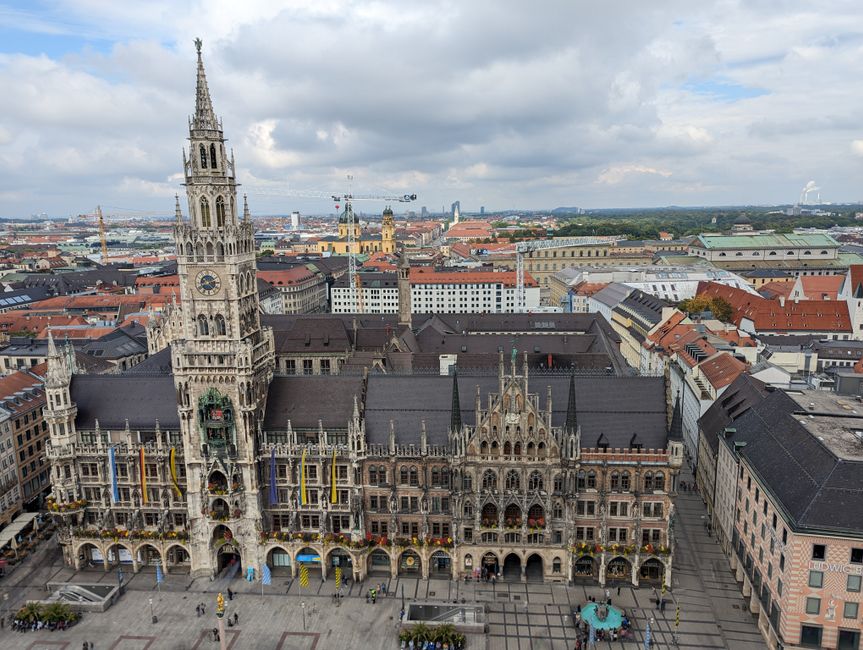
The Marienplatz Glockenspiel is one of Europe's most famous clock shows. A 43-bell carillon plays at the top of the Neues Rathaus (New Town Hall), automata joust, statues dance, and tourists stop in their tracks thinking, "I've just paid 4 euros to watch a mechanical clock."
Here's the truth: it's genuinely impressive, but the experience depends entirely on when you show up. The difference between 08:00 and 14:00 is the difference between magic and claustrophobia.
Schedule and Performance Times
The Glockenspiel plays three times daily:
- 08:00 (morning): 12 minutes long, full jousting scene
- 12:00 (noon): 12 minutes long, full jousting scene with an extra benediction scene
- 17:00 (evening): 3 minutes, just carillon and dancing (no jousting)
From March–October, there's sometimes a fourth performance at 21:00 (9 minutes), but it's not guaranteed, check the schedule when you arrive.
The performance is mechanical and reliable. No cancellations, no weather delays. The bells play whether 10 people or 10,000 people are watching.
The Crowd Reality
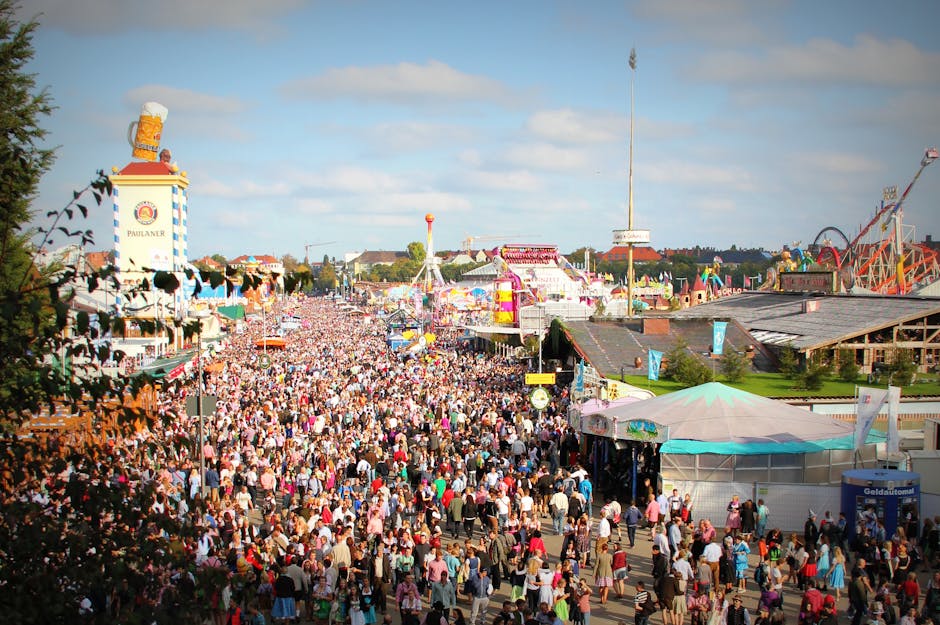
At 12:00: Marienplatz is packed. Tour groups, selfie-stick users, and shoulder-to-shoulder humans. You'll see the Glockenspiel, but you'll also see the back of 50 other people's heads.
At 08:00: Minimal crowd. Maybe 100–200 people, mostly locals and early risers. You have space, you can move, you can see properly.
At 17:00: Medium crowd, but less intense than noon. Decent compromise between emptiness and missing the "full show" (the noon version has more).
Our Recommendation: The 08:00 Performance
Why:
- Crowd is minimal. You actually experience the square, not just stand in a human scrum.
- The light at 08:00 is perfect, low, golden, and makes the Gothic architecture stunning.
- The city feels quieter. You'll see real Munich before the tourism engine kicks in.
- You've checked off the "must-see" by mid-morning and have the rest of the day free.
How to do it:
- Set your alarm. Yes, actually.
- Get to Marienplatz by 07:45. Find a spot with a clear view of the Neues Rathaus tower.
- Grab a coffee from a nearby café while you wait. There are dozens around the square.
- Watch the show, take a photo, and you're done by 08:15.
Alternative: The 17:00 (Evening) Show
If 08:00 feels impossible:
Pros:
- Fewer people than noon, but more than morning.
- Sunset light can be beautiful (if the weather cooperates).
- You've already explored the city; this is a peaceful evening activity.
Cons:
- Shorter performance (3 minutes vs. 12 minutes). No jousting scene, just carillon and dancing.
- Still busy, just less chaos than midday.
Avoid: The 12:00 Performance
Unless you specifically want the crush and the Instagram moment, skip noon. The square is overwhelmed. Tour groups are funnelling in by the hundred. You'll see the Glockenspiel, but the experience is lost.
Why You Might Not Care About the Glockenspiel
Let's be honest: it's a mechanical clock show. It's impressive for 12 minutes, then you're thinking about lunch.
If you care about it: Go to the 08:00 performance, watch it properly, then explore the rest of the square (the Marienkirche, the shops, the surrounding streets).
If you don't care: Skip it entirely. Marienplatz is still worth seeing (the architecture is stunning, the central location is useful), but you don't need to schedule your morning around a clock.
Maximising Your Marienplatz Visit
The Square Itself
Marienplatz is surrounded by excellent buildings:
- Neues Rathaus (New Town Hall): Gothic revival architecture, visible from everywhere.
- Marienkirche (Church of Our Lady): 500+ years old, gorgeous interior.
- Alte Rathaus (Old Town Hall): Medieval building on the east side.
Spend 15 minutes just walking and looking. The square is beautiful even without the Glockenspiel.
The View from Above
The Neues Rathaus tower has an observation deck (€8.50). It's a hike (88 steps) but the view across Munich from the top is excellent. Clearer on the 08:00 visit when fewer people are around.
The Surrounding Streets
Leave Marienplatz and explore the pedestrian streets in every direction. You'll find:
- Sendlinger Straße: Pedestrian shopping street, decent cafés.
- Krämergasse: A narrow medieval alley, atmospheric.
- Viktualienmarkt: 2-minute walk south, daily food market (more on this in our food guide).
Practical Tips
- Bring a light jacket: Even summer mornings can be cool in Munich.
- No tickets required: The Glockenspiel is free. You're just standing in a public square.
- Arrive early for 08:00: Even 15 minutes early, spots are decent. Arrive at 07:58 and you'll be at the back.
- Photography: Every angle works. Step back and include some architecture, not just the clock.
What's Next?
You've ticked off the iconic "must-see" that every guide mentions. Now it's time to understand the actual shape of Munich, the neighbourhoods where real people live, the food that matters, the museums worth queuing for, and the beer gardens where you'll forget you ever cared about a mechanical clock.
Our comprehensive Munich guide gives you the complete picture, moving beyond Marienplatz to the city that actually exists. Get it and start building your real itinerary.
Master Munich in Minutes
Don't waste hours planning. Get our condensed, digital cheat sheet with everything you actually need.
Shop Guide on Etsy →