 ConciseTravel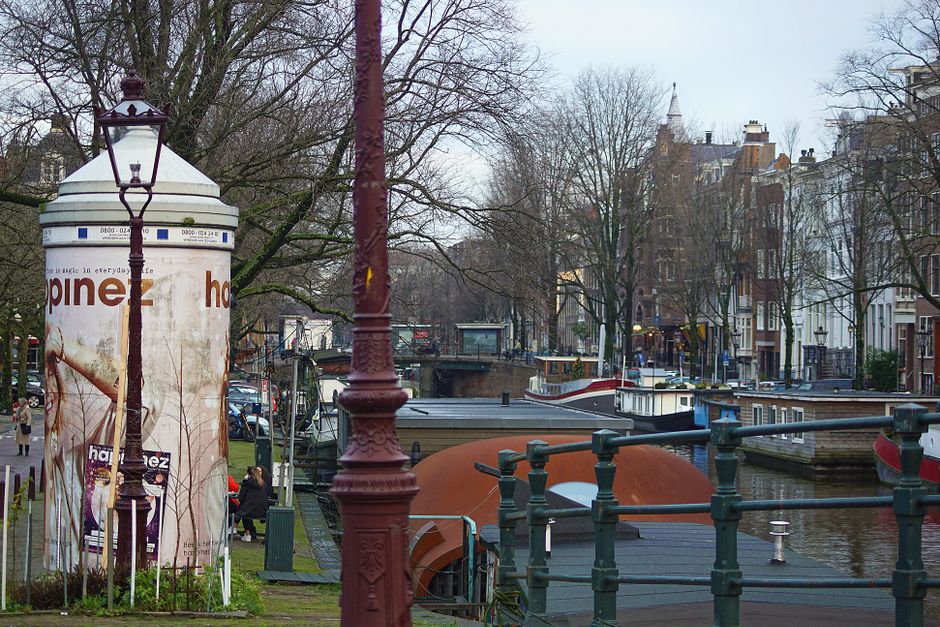
Two neighbourhoods come up in almost every Amsterdam trip-planning conversation. Jordaan is the romantic one: narrow streets, independent shops, canal-facing cafes. De Pijp is the lively one: markets, a younger crowd, food from everywhere.
Both are good. They're not interchangeable. Choosing between them is straightforward once you know what each delivers.
Jordaan
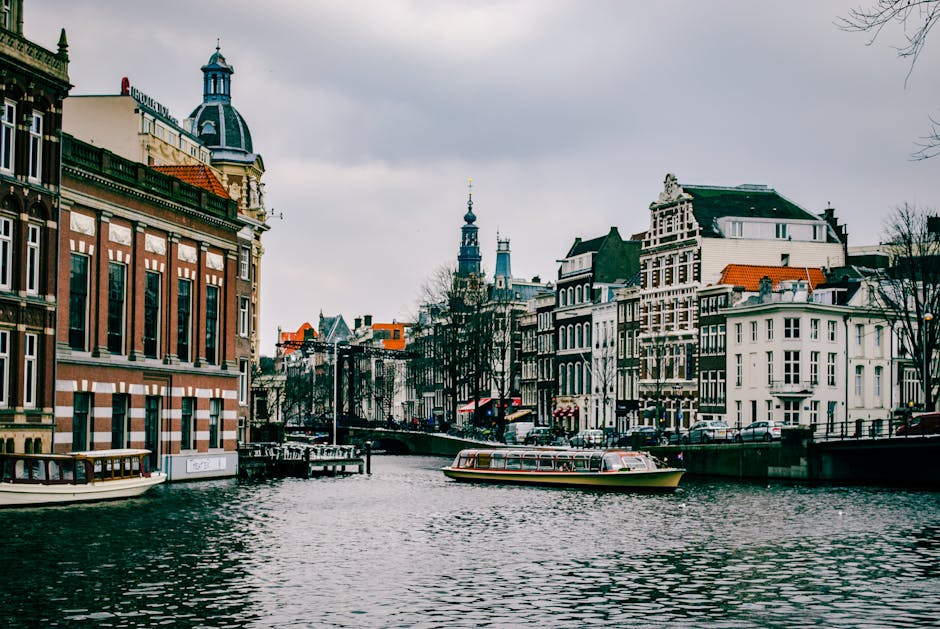
Jordaan sits west of the Canal Belt, roughly between Prinsengracht and Singelgracht. It was a working-class district for most of its history, which explains the layout: tight streets, small bridges, houses that lean at angles. The renovation started in the 1970s and it's now one of the most desirable places to live in the city.
What it's good for: Walking, because the streets are genuinely pleasant to wander without a destination. Independent shops and galleries: Jordaan has the highest concentration of small, non-chain retail in Amsterdam. Brown cafes: traditional Dutch pubs that are quiet, warm, and serve good beer, several of which are worth sitting in for an hour. Jordaan is also close to the Anne Frank House and the Nine Streets shopping district, and the hidden hofjes (small gated courtyards between houses, open to the public during the day) are some of the best quiet spots in the city.
What it's less good for: Nightlife. Jordaan is relaxed in the evenings. If you want late-night options within walking distance, you'll find them but they're limited. It's also one of the more expensive neighbourhoods for accommodation, and you're relying on trams or cycling to get around because there's no metro access.
Who it suits: Couples, people who want calm evenings, anyone who prioritises atmosphere and walkability over convenience.
De Pijp
De Pijp is south of the city centre, separated from the Canal Belt by the Singelgracht. It developed later than Jordaan and has a denser, slightly more urban feel. The Albert Cuyp Market runs through its centre every day except Sunday.
What it's good for: Food. De Pijp has one of the most varied eating scenes in Amsterdam, with Indonesian, Surinamese, Middle Eastern, and Dutch options all within a few streets. The Albert Cuyp Market is a daily covered market with fresh food, cheap snacks, and easy people-watching. Transport is genuinely practical here: the Noord/Zuid metro line stops at De Pijp and connects directly to Centraal Station in under 10 minutes. Accommodation also tends to be slightly more affordable than Jordaan, particularly for apartments.
What it's less good for: Quiet evenings. If you want somewhere that winds down early, De Pijp is not that. The canal aesthetics are also less dense here than in Jordaan.
Who it suits: Solo travellers, groups, food-focused visitors, anyone who wants good transport links and an active street scene.
The Honest Answer
Stay in Jordaan if you want Amsterdam to feel like a film set in the best possible way: canals, cobbles, and the sense that time runs slightly slower here.
Stay in De Pijp if you want food, energy, and easy access to the rest of the city without spending extra for a postcard backdrop.
Both are within cycling distance of the main attractions. Neither is a bad choice. The decision comes down to whether you want your base to be the highlight of the trip or a convenient launching point for everything else.
For a breakdown of the Canal Belt and other areas worth considering, including how your choice of base affects your transport options, the Amsterdam guide covers the neighbourhood picture in full.
Master Amsterdam in Minutes
Don't waste hours planning. Get our condensed, digital cheat sheet with everything you actually need.
Shop Guide on Etsy →