 ConciseTravel
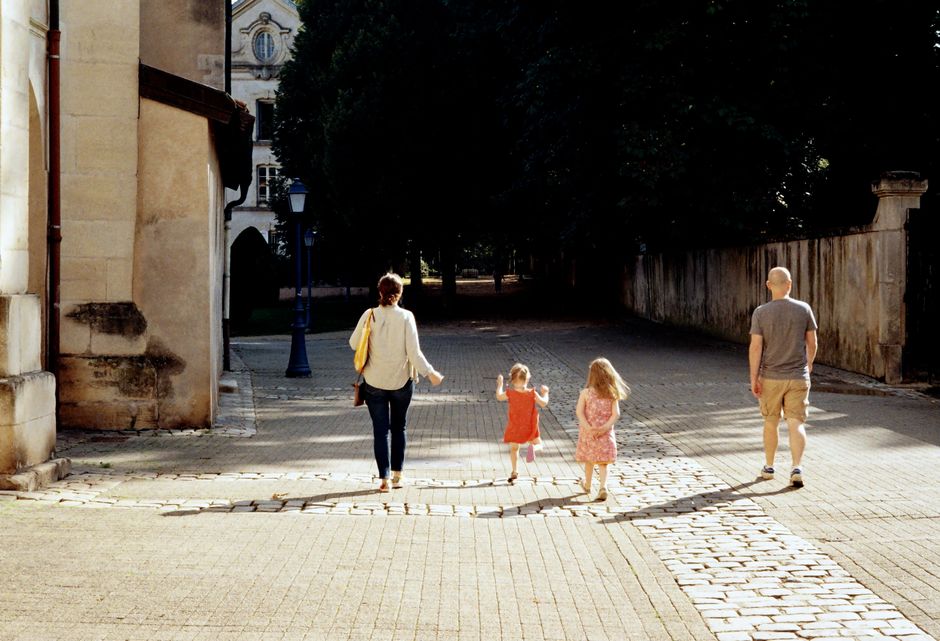
City breaks with young children require a different strategy to the adult version. The goal is not to see everything. The goal is to have some actual enjoyment between managing nap schedules and persuading a four-year-old that historic architecture is interesting.
Choose the Right City
Not every European city suits young children equally. Cities with parks, open spaces, flat walking routes, and reliable public transport are significantly easier.
Good choices: Amsterdam (flat, great parks, canals to look at), Barcelona (beaches, Parc Guell, wide pavements), Copenhagen (world-class children's culture, Tivoli Gardens, compact centre), Prague (affordable, easy to navigate on foot, castle to explore). All four have enough to keep children engaged without needing to set foot in a museum.
Harder choices: Rome (cobblestones, heat in summer, chaotic traffic), Venice (steps over bridges constantly, no pushchair-friendly routes), Lisbon (hills).
Flights: Timing Is Everything
Book the earliest morning flight available. Children travel better in the morning before they are tired and fractious. Red-eye flights with toddlers are a myth propagated by people who have not tried it.
Choose direct flights. Every connection is a point of failure when you are managing children, luggage, and a pushchair.
Request a bassinet seat at booking if you have an infant. These are bulkhead seats with a hanging cot and limited availability. Do it early.
Accommodation: Space Matters
A hotel room with two adults and a toddler is fine for two nights. For anything longer, an apartment gives you a kitchen, a separate sleeping space for the child, and the ability to do breakfast without getting everyone dressed and out. Airbnb and Booking.com both filter for apartments with cots available.
Choose accommodation within walking distance of a park. You will need it every morning and every evening.
Structuring the Days
One major thing per day, maximum. A museum, a famous sight, a boat trip. Not all three. Fill the rest of the day with playgrounds, parks, gelato stops, and unscheduled wandering. Children enjoy ordinary European life — markets, cafes, pigeons — far more than their parents expect.
Build in a midday rest, especially in hot weather. Either back at the accommodation or in a shaded park.
Eating: target lunch before noon and dinner before the local dinner hour, which in Spain and Italy can be very late. Many restaurants have a cheaper lunch menu (menu del dia in Spain) that suits children well.
What to Pack
A lightweight stroller you can fold quickly for public transport. A baby carrier as a backup for cobbled areas where strollers are impractical. Snacks from the supermarket to avoid hunger-driven meltdowns. A change of clothes in your day bag.
Travel insurance that explicitly covers children and includes medical repatriation. Read the small print.