 ConciseTravel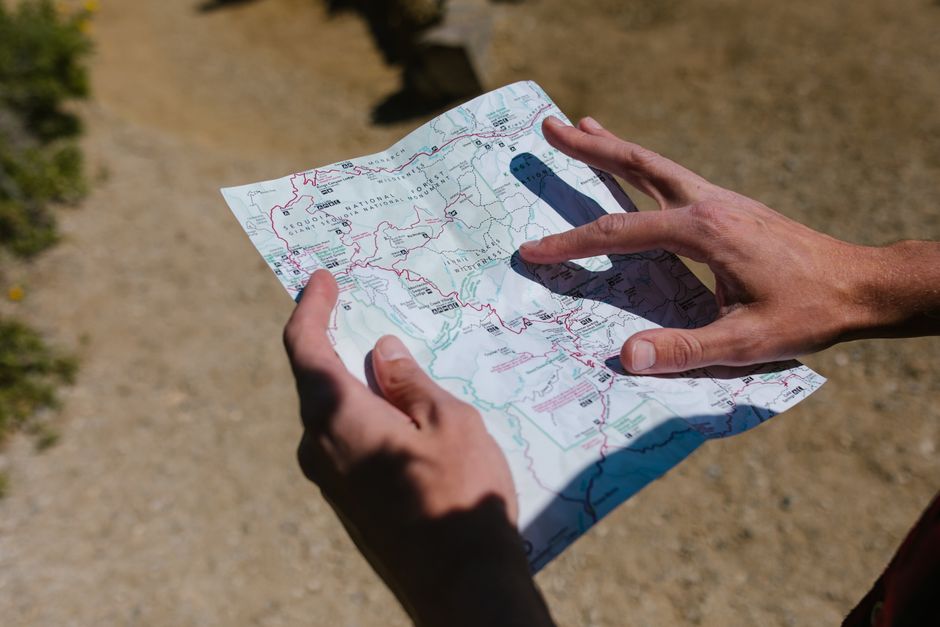
Getting lost is not a navigation failure. It's the most reliable way to find the parts of a city that didn't make the guidebook. The reframe is simple: being lost means you're somewhere unexpected, and unexpected is where the interesting things are.
The Practical Safety Net
This only works if you have one tool sorted before you leave the hotel: offline maps. Download the city in Google Maps or Maps.me while you're on hotel Wi-Fi. It costs you nothing and means that at any point, regardless of signal, you can see exactly where you are.
This is the safety net, not the guide. The point is not to follow the map every thirty seconds. The point is knowing it's there if you need it, which frees you to ignore it the rest of the time.
The Lost-Then-Found Pattern
There's a reliable pattern to purposeful lostness. You leave the main street, turn into something narrower, follow it for ten minutes, and stop recognising anything. This is the good part. Then you reorient gradually: a landmark, a street sign, a familiar-looking tower. You're not exactly sure how you got here, but you know roughly where you are.
That process of disorientation followed by reorientation is where most good city discoveries happen. The courtyard you would never have found. The neighbourhood square with three excellent-looking restaurants. The viewpoint nobody is standing at. These things don't appear on curated lists because they don't have names.
What You Find When You Have No Route
The honest answer: small things, mostly. A butcher with a handwritten sign. A children's playground in a residential square. A café where the door is open and someone is playing guitar. None of these are sights in the traditional sense. All of them are the texture of a city that takes two days to start perceiving.
When you follow a route, you filter these out. When you have no route, they become visible.
The Practical Truth About European City Centres
European city centres are small. Central Rome fits inside a circle roughly four kilometres wide. Central Prague is smaller. Central Ljubljana is walkable end-to-end in forty minutes. This means the consequences of being genuinely lost are limited: you're always within walking distance of somewhere you recognise, and you always have the offline map if you need it.
Leave the hotel without a plan at least once per trip. Give yourself two hours. See where you end up.