 ConciseTravel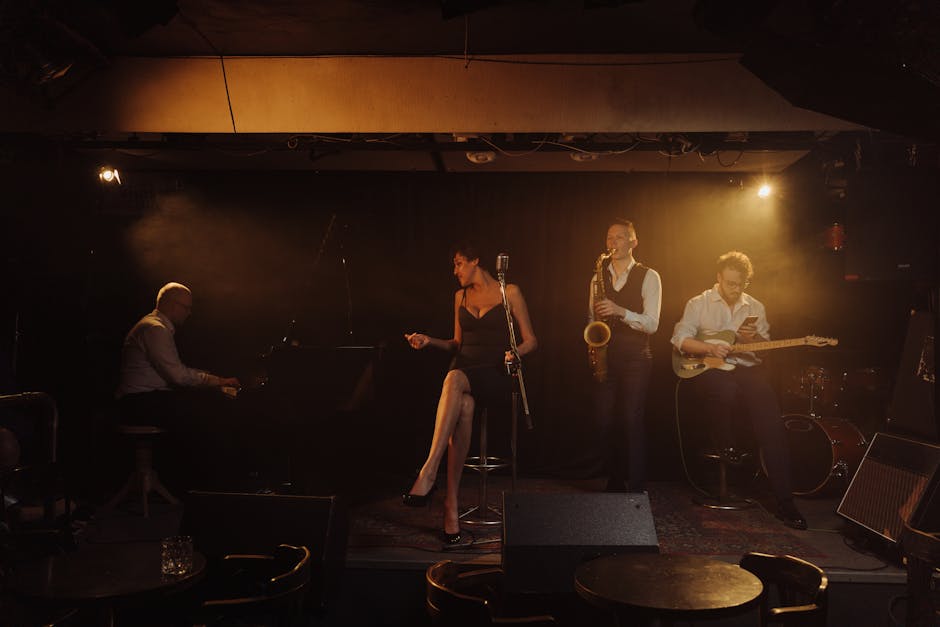
A Tuesday night gig in a 300-capacity venue is usually better than a Saturday night show in the same city. The audience is smaller, the crowd is more committed, the artist is more relaxed, and the ticket is cheaper. This applies across jazz, rock, classical chamber music, and club nights. Saturday is for people who go to gigs because it is Saturday. Tuesday is for people who go to gigs because they want to hear something.
The Tools
Songkick is the clearest interface for finding touring artists in a specific city on a specific date. If you have artists you want to see, set up a Songkick account and follow them before you book travel; the notification when they play your destination city is one of the more useful travel alerts available.
Resident Advisor is the primary source for electronic music and club nights across Europe, but its city guides also cover jazz, experimental, and alternative venues in most major cities. The venue profiles are particularly useful: RA tells you the room capacity, the music policy, the door time, and the typical ticket price, which gives you enough to make a decision without visiting multiple sources.
Jazz Without Booking
Most jazz clubs in European cities do not require advance booking for midweek performances. Show up 30-45 minutes before the set to secure a seat; arriving at the advertised start time in a small jazz venue often means standing. The door charge is typically the only cost beyond drinks.
Ronnie Scott's in London is the famous exception: it requires booking for the main shows and operates a ticketed late show format. Paris's New Morning and Duc des Lombards both take walk-ins on quieter nights. Copenhagen Jazz House has an accessible booking system but rarely sells out for midweek performances.
Early Show vs Late Show
Venue-specific late shows are often the better version of the same performance. Many jazz clubs and smaller music venues run an 8pm set and a 10:30pm or 11pm set. The late show is usually the same artist at slightly higher energy, playing to a smaller room of people who chose to stay out later. The early show is better for city break logistics if the following day is busy.
For club nights, early shows in the sense of a venue at 11pm versus 2am: most European club nights are not worth attending before midnight. Arriving at opening time guarantees emptiness. The workable approach is to book a late dinner, arrive at the venue around midnight, and plan a slow morning.
Cities With Year-Round Scenes
London, Berlin, Paris, and Amsterdam have genuinely year-round live music infrastructure. The infrastructure does not pause in August when cities thin out. It also does not pause in January when the tourist season is slow. Any of these cities in any month will have multiple nights of live music worth attending.
Smaller cities are more seasonal. Prague's music scene is strongest September to May. Lisbon's jazz and fado scenes operate consistently but with thinner choice in the summer peak. Edinburgh outside festival season has a fraction of the live music density it has in August.