 ConciseTravel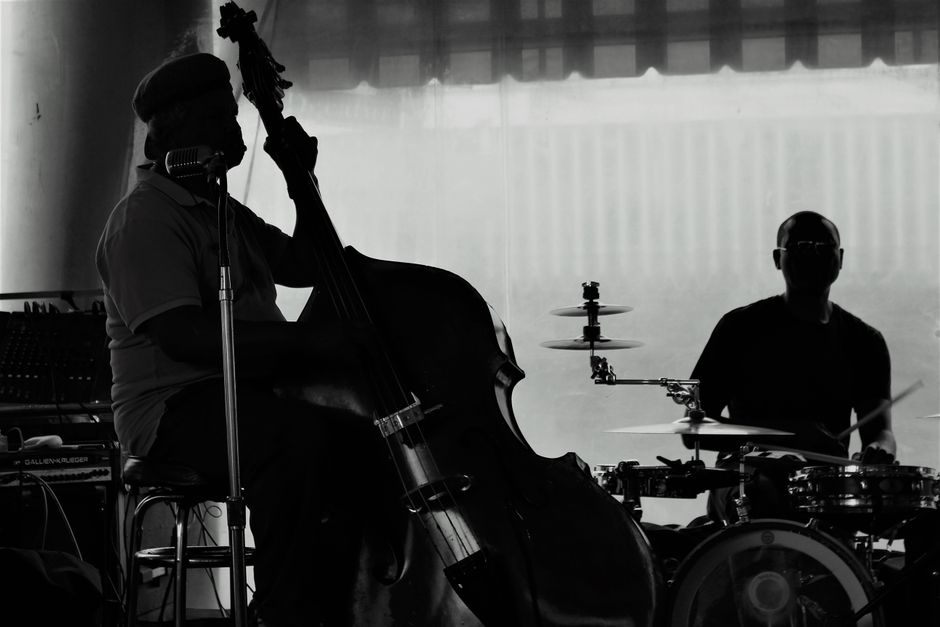
A music city break works best when the gig is the fixed point and everything else is built around it. Book the performance first, then sort flights and accommodation. Doing it the other way around means you spend two days checking listings and hoping something lands.
Classical: Vienna Is the Obvious Starting Point
The Musikverein standing room tickets cost €6 and are sold from 45 minutes before the performance. You queue at the side entrance, pay cash, and stand at the back of the stalls or the gallery. The acoustic quality in the Golden Hall is exceptional from anywhere in the room. Vienna Philharmonic subscription concerts are harder to access, but the ORF Vienna Radio Symphony Orchestra plays regularly and is considerably easier to book. Tickets for the Vienna State Opera start at €10 for standing room, which is separately covered but worth combining on the same trip.
For classical outside Vienna: Amsterdam's Concertgebouw offers last-minute tickets for the same evening on their website. Berlin Philharmonie has a digital concert hall but the live experience in the building is something else and cheaper than its reputation suggests.
Jazz: New Orleans and the European Alternative
New Orleans functions as its own category. Frenchmen Street is where the actual jazz scene operates, not Bourbon Street. The Spotted Cat, d.b.a., and Snug Harbor between them cover traditional, contemporary, and bebop every night of the week. Cover charges are typically $10-15 or a two-drink minimum. Go on a Tuesday or Wednesday for smaller crowds and tighter sets.
In Europe, Copenhagen has a jazz scene that punches well above the city's size, centred on Copenhagen Jazz House. Paris has a strong modern jazz circuit around the 11th arrondissement. Both have decent club websites and rarely require advance booking for midweek shows.
Finding What's On
Resident Advisor covers electronic and club music thoroughly and also lists jazz and alternative venues in most major European cities. Songkick is better for touring artists and specific gigs. Both have city view pages that show everything happening in a given week. For classical and opera, the venue websites are the most reliable source and usually have the best pricing.
Record shops are an underused research tool. Amoeba in the US, Rough Trade in London, Plattenritz in Berlin: staff there know what's happening locally, including shows that don't appear on the main listing sites.
Structure the Trip
One dedicated gig night works better than trying to catch music every evening. A typical structure: day one for arriving and orientation, day two for sightseeing with an evening gig booked, day three for a museum or day trip and a second evening if the schedule allows. Stacking two performances in the same day works if you are genuinely there for the music; otherwise it becomes a logistics exercise rather than a holiday.
Matinees exist in classical and opera and are priced lower than evening performances. They also free the evening for eating and walking without a schedule.