ConciseTravel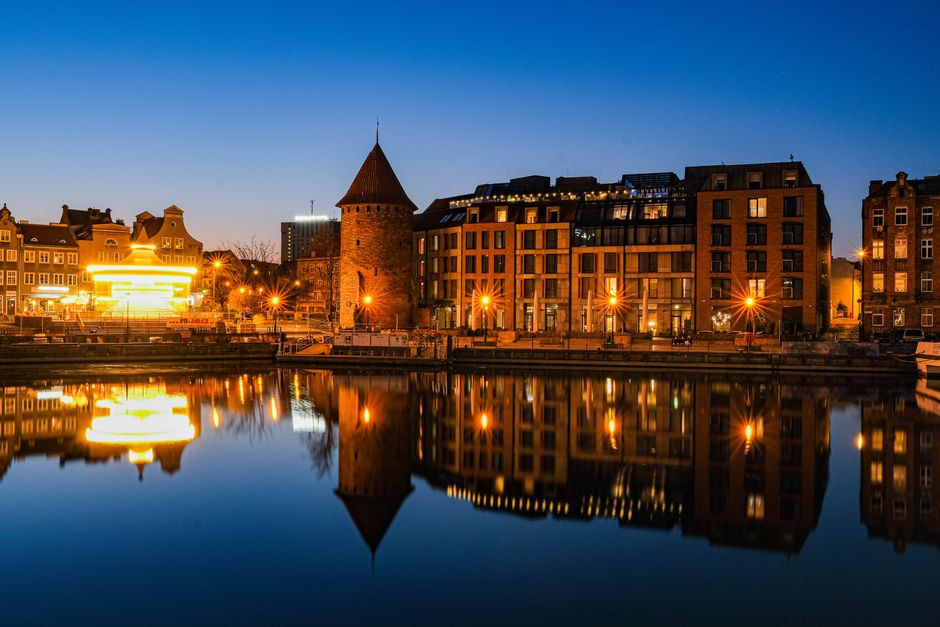
Warsaw and Gdansk are Poland's two most historically significant cities, and they sit at opposite ends of the country's modern story: one rebuilt from rubble, one a Hanseatic port that sparked the fall of communism. The express train between them takes around 3 hours, making this a very manageable two-city trip with no need to fly.
Why This Combination Works
Warsaw gives you the capital's layered wartime history, the rebuilt Old Town, and some of the best museums in Central Europe. Gdansk gives you the Baltic coast, a perfectly preserved coloured merchant district that looks like nowhere else in Poland, and the birthplace of Solidarity. They're complementary in atmosphere and history, and neither city repeats what the other offers.
Recommended Split
For a 7-day trip: 3 nights Warsaw, 4 nights Gdansk. Gdansk earns the extra time to explore the Tri-City area (Sopot and Gdynia are both worth half a day each) and the European Solidarity Centre. For a 5-day trip: 2 nights Warsaw, 3 nights Gdansk. Warsaw's main sites are walkable and manageable in 2 days if you're focused.
Getting Between the Cities
PKP Intercity express trains (EIP or TLK) run Warsaw Centralna to Gdansk Glowny in around 3 hours, with several departures throughout the day. Book via the PKP Intercity website or app. Advance tickets start from around 30-60 PLN (7-15 euros), rising sharply for last-minute bookings. FlixBus runs the route for less but takes 5-6 hours. Take the train.
Which City to Visit First
Start in Warsaw. International flights into Warsaw Chopin Airport are better connected, and Warsaw's heavier historical weight is worth sitting with before arriving in the lighter, more coastal atmosphere of Gdansk. Finishing on the Baltic is a good way to end a Poland trip.
What Each City Adds to the Trip
Warsaw
Warsaw's contributions are the Warsaw Rising Museum, the POLIN Museum of the History of Polish Jews, and the rebuilt Old Town, which carries its own story about memory and reconstruction. The Royal Castle, Wilanow Palace, and the Neon Museum round things out. The food and nightlife scene is genuinely good, and prices are lower than most Western European capitals.
Gdansk
Gdansk delivers the Long Market (Dlugi Targ) and the Royal Way, a streetscape of coloured merchant houses that is one of the most photogenic in Poland. The European Solidarity Centre is one of the best museums in Europe on the Cold War and the fall of communism. The amber market, the crane gate, and the cathedral are all within easy walking distance. Sopot, 20 minutes by commuter rail, adds a beach resort and a pier to the itinerary.