 ConciseTravel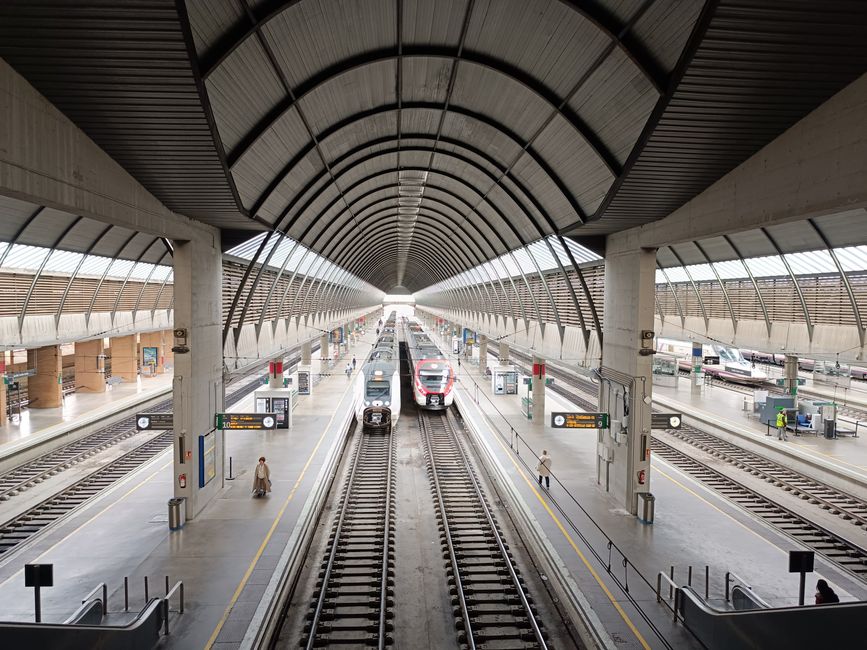
Madrid and Seville is the most natural two-city combination in Spain. The AVE high-speed train connects them in 2 hours 30 minutes, the cities feel genuinely different, and together they give you the best of central and southern Spain. This is the itinerary to default to if you are visiting Spain for the first time and have a week to work with.
Why This Combination Works
Madrid is a capital city in the full sense: grand museums, sophisticated food scene, cosmopolitan energy. Seville is the soul of Andalucía: flamenco, tapas culture, orange trees lining the streets, and a slower pace that rewards wandering. They are complementary rather than redundant, and the train journey between them is easy enough to plan around without losing a full day.
Recommended Split
For a week, 4 nights in Madrid and 3 in Seville. Madrid has more large-scale things to do — the Prado, the Reina Sofía, Retiro, the bar scene — and earns the extra days. Three nights in Seville covers the Alcázar, the cathedral and Giralda, the Triana neighbourhood, and enough evenings of tapas to get a real sense of the city. On a 5-night trip, 3 and 2 is workable, with Seville getting the 2.
Getting Between the Cities
AVE high-speed train: Madrid Puerta de Atocha to Seville Santa Justa. Journey time is approximately 2 hours 30 minutes. Fares from 30-80 EUR one-way booked in advance through Renfe. Last-minute tickets can reach 150 EUR+. Book ahead.
Bus: Socibus and ALSA run coaches between the cities in about 5-6 hours. Cheaper but a full half-day of travel.
Flying: Iberia and budget carriers fly Madrid to Seville in under an hour, but Seville airport is further from the centre and you spend more time in transit than the AVE requires.
Recommendation: AVE. It is fast, comfortable, reliable, and drops you in the heart of both cities. Book 4-6 weeks ahead for good fares.
Which City to Visit First
Start in Madrid. Most international flights to Spain arrive at Barajas, and Madrid is the larger, more complex city. Starting there means you front-load the logistics and arrive in Seville ready to slow down and enjoy a simpler pace.
What Each City Adds to the Trip
Madrid
Madrid delivers three of Europe's great art museums within walking distance of each other (Prado, Reina Sofía, Thyssen-Bornemisza), the Retiro park for morning runs or afternoon picnics, and a food and nightlife scene that does not get going until most cities are closing. The menu del día at a local bar is one of the best-value lunches in Europe. The La Latina neighbourhood is where you want to be on a Sunday morning.
Seville
Seville is the most visually striking city in Spain at street level. The Real Alcázar (book ahead, used as a filming location for Game of Thrones) is extraordinary, the cathedral is the largest Gothic church in the world, and the Triana neighbourhood across the river has a neighbourhood energy that the tourist-heavy Santa Cruz area lacks. Flamenco is taken seriously here in a way it is not in Madrid — a serious tablao performance is worth the investment.