 ConciseTravel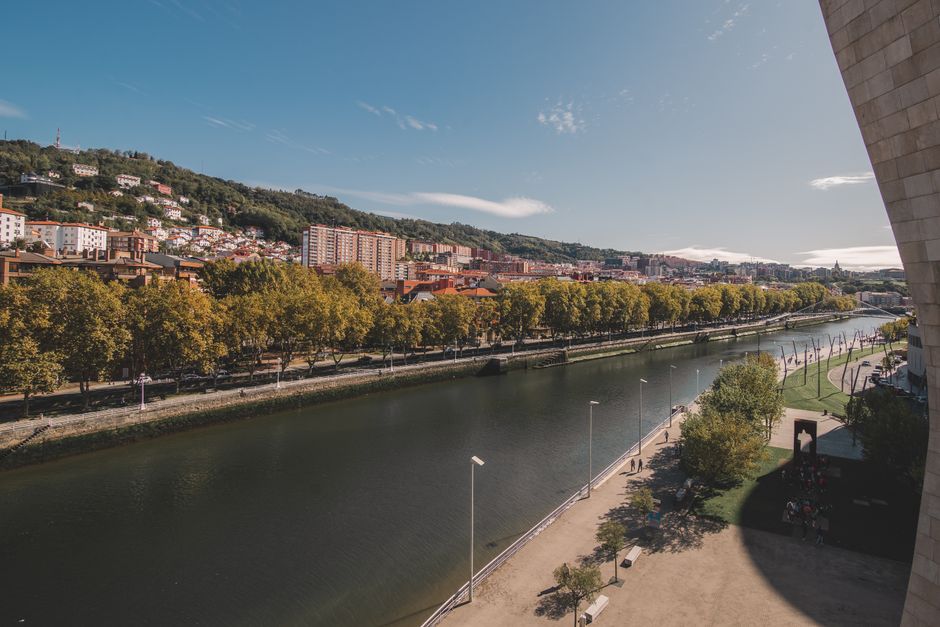
Madrid and Bilbao is not the obvious Spain combination, but it is one of the most rewarding. Bilbao is a serious city that has reinvented itself as one of the best urban destinations in Spain, and the Guggenheim — while the headline attraction — is only part of the reason to go. The train journey through the meseta and into the Basque Country is also exceptional.
Why This Combination Works
Bilbao gives you something Madrid cannot: Basque culture, pintxos bars in the Casco Viejo, a waterfront that has been transformed from industrial to genuinely beautiful, and food that arguably surpasses anything you will eat in the capital. The Guggenheim provides an architectural anchor, but what keeps people in Bilbao is the neighbourhood life, the eating, and the sense of arriving somewhere that has its own identity independent of the rest of Spain.
Recommended Split
For a week, 4 nights in Madrid and 3 in Bilbao. Three nights in Bilbao is the right amount — it is not a large city, but it rewards lingering over meals and wandering without an agenda. On a 5-night trip, 3 and 2 works, though 2 nights feels like leaving before you are ready. On 2 nights you can cover the Guggenheim, the Casco Viejo, and the Abandoibarra waterfront, but you miss the slower rhythm that makes the city.
Getting Between the Cities
High-speed train (AVE/Alvia): Madrid Chamartín to Bilbao Abando. Journey time is approximately 4 hours 30 minutes to 5 hours. Fares from 40-90 EUR one-way on Renfe, with better prices booked in advance. Trains run twice daily on the main high-speed service.
Bus: ALSA coaches take about 4-5 hours and are often cheaper (20-40 EUR). A good option if the train is full or significantly more expensive.
Flight: Iberia and Vueling fly Madrid to Bilbao in under an hour. Useful if you have a tight schedule, but the train is more comfortable and keeps you central at both ends.
Recommendation: The train is the better experience on this route. The landscape on the approach into Bilbao through the Basque hills is genuinely striking. Book ahead for the best fares.
Which City to Visit First
Start in Madrid. It is the logical entry point for most international visitors, and the larger, more demanding city is better tackled at the start of a trip when you have full energy. Bilbao rewards a slower pace, which suits the end of a trip well.
What Each City Adds to the Trip
Madrid
Madrid is Spain's capital and earns its status through three world-class art museums within walking distance, the Retiro park, a food scene anchored in the mercado culture of San Miguel and La Paz, and late nights in Malasaña that do not exist anywhere else in quite the same form. It is a city that takes practice to appreciate fully, and the Prado will take whatever time you give it.
Bilbao
Bilbao delivers on multiple fronts that go well beyond the Guggenheim, though the building — Frank Gehry's titanium curves on the Nervión waterfront — is as good as advertised and earns several hours including the temporary exhibitions. The Casco Viejo (old town) is seven narrow streets known as the Siete Calles, packed with pintxos bars where the correct approach is to stand at the bar, order a glass of txakoli, and work through several small plates per bar across an evening. The Mercado de la Ribera is one of Europe's largest covered markets. San Mamés stadium, if you can catch an Athletic Bilbao match, is one of the best football experiences in Spain — the club signs only Basque players, which makes it unique in European football and gives the games a tribal intensity that is hard to find elsewhere. The surrounding Basque Country also makes Bilbao an excellent base for a day trip: San Sebastián is 1 hour away by bus, and the coastal villages toward Gernika are easy to reach.