 ConciseTravel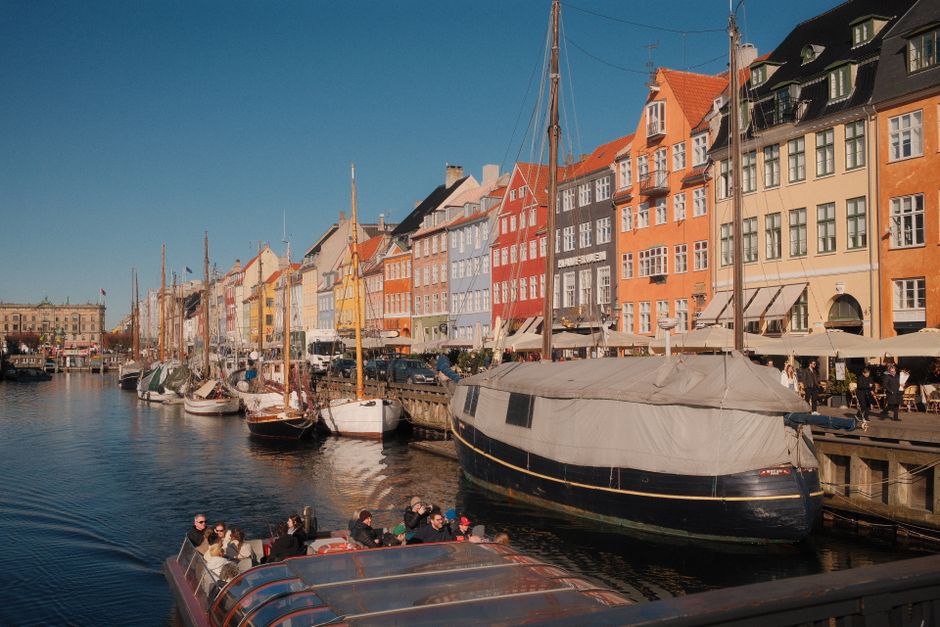
Copenhagen gets the attention, but Aarhus, Denmark's second city, has built a serious case for itself. Three hours by fast train, with a world-class art museum, an excellent food scene, and a lively university city energy, it's a natural extension for anyone spending more than four days in Denmark.
Why This Combination Works
Copenhagen has everything you expect from a major Scandinavian capital: Nyhavn, Tivoli, the National Museum, and some of the best restaurants in Europe. Aarhus adds something different: a city that's lived-in and Danish in a less polished way, with ARoS art museum as its headline act and the Den Gamle By (Old Town) open-air museum as a genuinely interesting cultural experience. The two cities don't overlap. They complement.
Recommended Split
3 nights Copenhagen, 2 nights Aarhus. Copenhagen earns three full days: Nyhavn, the Tivoli Gardens, the National Museum, Christiania, and the design shops of Vesterbro keep you busy. Aarhus in two nights gives you a full day in the city (ARoS and the Old Town alone fill most of it) and a relaxed evening in the Latin Quarter. If you only have one night in Aarhus, it's still worth doing.
Getting Between the Cities
DSB intercity trains from Copenhagen Central Station to Aarhus H run roughly every 30 minutes. Journey time is around 3 hours. Tickets cost around 200-400 DKK (€27-54) depending on booking time and flexibility. Book in advance on the DSB website for the best fares. The train crosses the Great Belt Bridge, which is scenic and worth sitting on the right side for.
Clear recommendation: train, booked in advance. The connection is straightforward and comfortable.
Which City to Visit First
Visit Copenhagen first. It's the bigger city, the natural entry point for international flights, and gives you the full Danish capital experience before you scale down. Ending in Aarhus makes for a relaxed close to a Scandinavian trip.
What Each City Adds to the Trip
Copenhagen
Denmark's capital is one of the most liveable and visually appealing cities in Europe. Nyhavn is overrated as a place to drink but excellent as a backdrop. The real Copenhagen is in neighbourhoods like Nørrebro and Vesterbro: independent coffee shops, natural wine bars, design stores, and the kind of low-key social scene that makes Scandinavian cities addictive to visit. The food is genuinely exceptional at every price point. The cycling infrastructure makes getting around almost enjoyable.
Aarhus
Aarhus does two things very well. ARoS Aarhus Art Museum is a serious institution: the Your Rainbow Panorama installation on the roof (a circular walkway of coloured glass with views across the city) has become the city's visual signature, but the permanent collection across nine floors is the real substance. Den Gamle By is an open-air museum of Danish urban history spread across 45 preserved buildings from different centuries, more interesting than it sounds and a half-day investment. The Latin Quarter around the old cathedral has independent shops and good restaurants. Aarhus Street Food market is a reliable lunch stop. The city has a young population and a lively evening scene that doesn't feel performative the way Copenhagen's can.