 ConciseTravel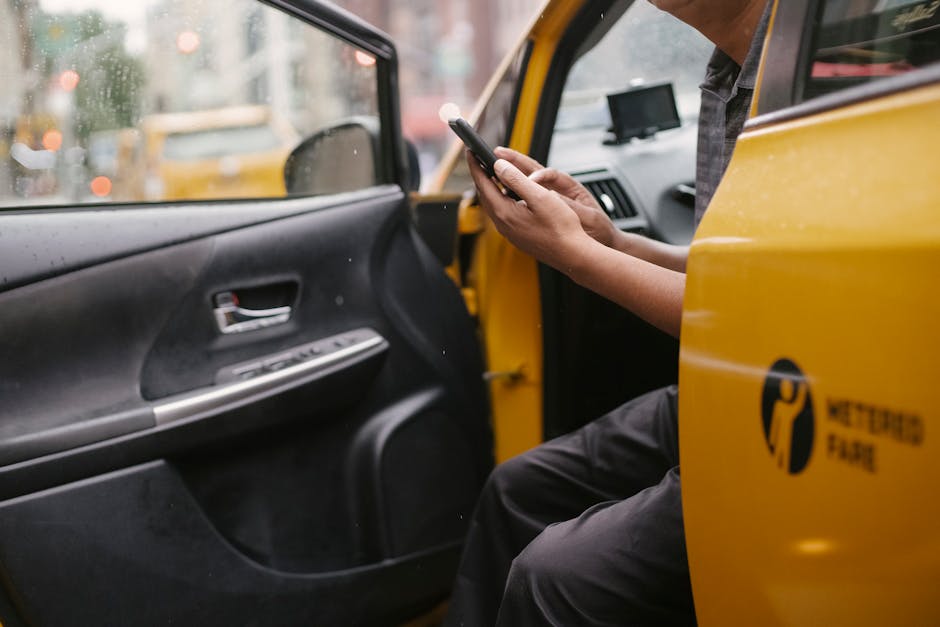
Taxi overcharging is one of the most common ways tourists lose money in European cities. It happens in most major tourist destinations and almost always follows the same patterns. Knowing the patterns means you rarely need to experience them.
The Unlicensed Taxi at the Arrivals Hall
Someone approaches you as you exit baggage claim and offers a taxi. They may have a sign with a city name or even your name if they lifted it from somewhere. They are usually not a licensed taxi driver.
Unlicensed drivers operate without meters and name their price after you have committed to going with them, at which point extracting yourself is awkward. Their rates are typically two to four times the legitimate fare.
The rule is simple: never accept a taxi approached this way. Walk to the official taxi rank, which is signed and outside the terminal, or use a rideshare app.
Meter-Off Routes
A licensed taxi driver running the meter is still able to overcharge if they take a deliberately long route. This is common from airports into city centres in cities where tourists rarely know the road network.
Before you get in, check the approximate journey distance and time on Google Maps. If the driver takes a significantly longer route, you can challenge it and, in cities with official fare structures, file a complaint.
In some cities, fixed airport fares are standard and should be displayed. Rome has fixed fares from Fiumicino and Ciampino airports to the city centre. Barcelona has fixed fares from El Prat. Ask the driver to confirm the fixed fare before you start.
The "Tourist Price" Gambit
Some taxi drivers, particularly at tourist hotspots and near major attractions, will quote a flat "tourist price" rather than using the meter. This is almost always more expensive than the metered fare and legally dubious in most jurisdictions. Ask them to use the meter. If they refuse, find another taxi.
Use Rideshare Apps Instead
Bolt and Uber price your journey in advance. You see the cost before you confirm. You can compare it to a metered taxi fare. There is no cash involved, no dispute at the end, and the route is tracked. For airport transfers and journeys in unfamiliar cities, rideshare apps eliminate the overcharging risk almost entirely.
In cities where Uber and Bolt are not available or regulated out of existence (some Italian routes, for instance), licensed taxi apps like itTaxi or Free Now are the equivalent and carry the same price transparency.
If You Are Using a Metered Taxi
Ensure the meter is running when you set off. If the driver claims the meter is broken, get out. Confirm the starting rate looks correct (meters in most European cities start at €3-€5 for a day fare). At the destination, pay what the meter says and do not give more than you intended to tip.
A licensed taxi with a running meter is a fair transaction. Anything that deviates from that is a problem you can avoid with five minutes of preparation.