ConciseTravel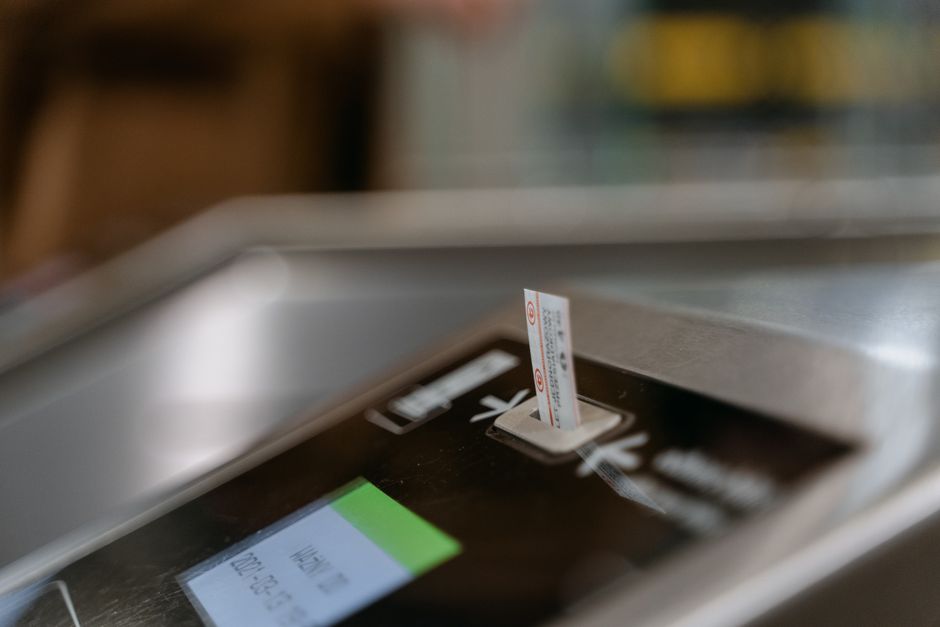
Brussels public transport is one of those rare European systems that just works. The metro is fast, the trams are frequent, and the buses go everywhere. But if you don't know the system, you'll waste time fumbling for tickets and standing on the wrong platform.
I've spent enough time navigating STIB (Société de Transport Intercommunal Bruxellois—yes, that's a mouthful) to know the shortcuts. Here's what actually matters.
The Metro: Backbone of the System
Brussels has four metro lines (1, 2, 5, and 6), plus some extended pre-metro tram sections. The system is clean, safe, and fast—typically 2-5 minutes between stops. It's your best bet for covering distance quickly.
The two most important lines are Line 2 (which loops around the city and hits most tourist zones like Gare Centrale, Gare du Midi, and Trône) and Line 1 (running east-west, stops at EU Parliament and Berlaymont). Line 5 goes north to Zaventem Airport (covered above), and Line 6 is less immediately useful unless you're heading to Parc de la Citadelle.
Here's the thing: the metro is underutilised by tourists. Everyone walks or takes a taxi when they could just hop on the metro for €2.50 and save 15 minutes. Pro move: buy a 10-journey card (€20.50 for trams + buses + metro) and you're set for 3-4 days of moving around.
Trams: The Tourist MVP
Trams are where Brussels gets charming. They're slower than the metro (but fast enough), they run on streets so you see the city, and they're absolutely essential if you're heading to Ixelles or the Sablon.
Tram 3 and 4 are particularly good for sightseeing. Tram 3 runs north-south and takes you through some of Brussels' best neighbourhoods. Tram 4 connects the south side to the EU Quarter. Honestly, if you're not in a rush, just get on a tram and ride it for 20 minutes. You'll discover something.
Trams run until about midnight (some lines 1am), so they're viable for night-time movement too. Unlike the metro, which can feel a bit sterile, trams have personality.
Buses: The Catch-All
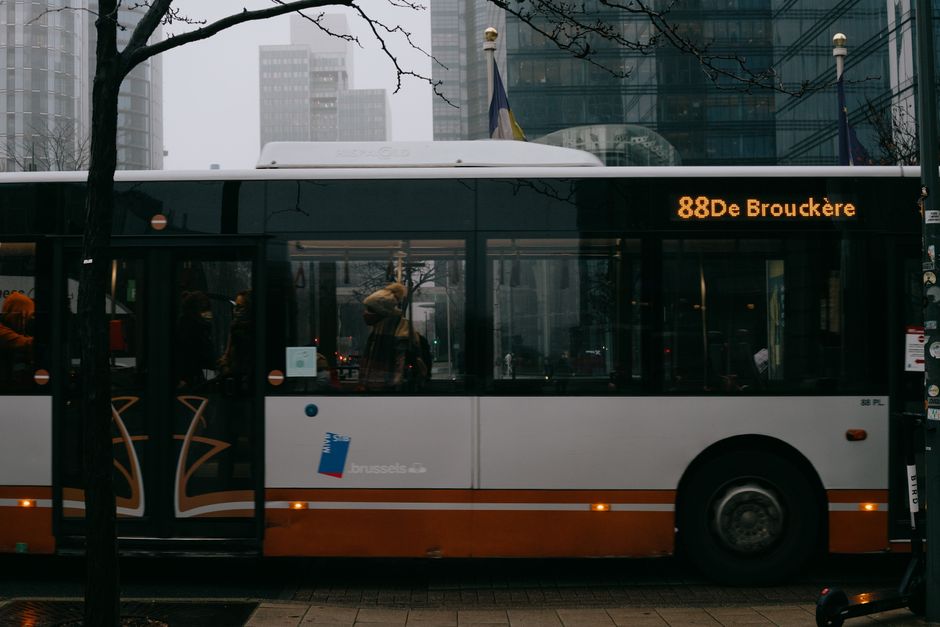
Buses fill the gaps. They're less glamorous but reliable. Route numbers can seem arbitrary (why is there both a 38 and a 38A?), but the STIB app handles this. Just plug in your destination and it'll tell you which bus.
Fair warning: buses get crowded during rush hours, and some routes pass through less salubrious areas, especially in the outer arrondissements. But for getting from point A to point B, they work. Plus, you get street-level views that the metro denies you.
Tickets and Cards: Get the Math Right
This is where most tourists mess up. You can buy individual tickets (€2.50 for a single journey good for 1 hour), but that adds up fast if you're moving around.
Better options:
- 10-journey card (€20.50): Best value if you're staying 3-4 days. Each journey is €2.05. Way better than singles.
- 1-day pass (€8): Only worth it if you're doing heavy sightseeing (5+ journeys). Unlikely.
- Brussel Card (€35 for 48 hours): Includes public transport + museum entries. Actually decent value if you're doing cultural stuff.
My move: buy the 10-journey card at any STIB kiosk or ticket machine. It's valid forever (you can split it across your group), and you won't have to think about tickets again.
Payment is mixed—some machines take cards, some only coins. Always have cash on hand as backup. The machines also have English menus, so don't panic.
Navigation: The App is Essential
Download STIB/MIVB (the official app) before you arrive. Seriously. It tells you:
- Exact arrival times for your next tram/bus/metro
- Fastest route from A to B (considering all three systems)
- Real-time delays
- Which exit to use on the metro
Without it, you're guessing. With it, you're efficient. This is the difference between "I hate Brussels transport" and "this system is actually solid."
Underground Etiquette and Safety
The metro is safe—safer than most European cities. It's well-lit, patrolled, and middle-class commuters use it daily. Some lines (especially late at night in the outer zones) get rougher, but the central zones are fine.
One oddity: Belgian people are weirdly formal on public transport. You'll notice older passengers expect you to stand if they're standing. Giving up your seat for elderly or pregnant passengers is standard. Not a problem, just cultural note.
Getting Lost (Embrace It)
Here's the secret: the system is forgiving. Even if you take the wrong tram, you can get off, check the app, and correct course in 2-3 minutes. Brussels is compact enough that you won't end up 20km away from where you meant to be. Use this permission to explore.
Some of my best Brussels moments came from taking the wrong tram and discovering a café or a street I didn't know existed. The system enables serendipity.
Practical Reality
Expect to spend €20-30 on transport if you're visiting for 3-4 days and moving around daily. The system is efficient, safe, and honest. You're not paying a premium—this is genuinely affordable getting around one of Europe's biggest cities.
Master Brussels in Minutes
Don't waste hours planning. Get our condensed, digital cheat sheet with everything you actually need.
Shop Guide on Etsy →